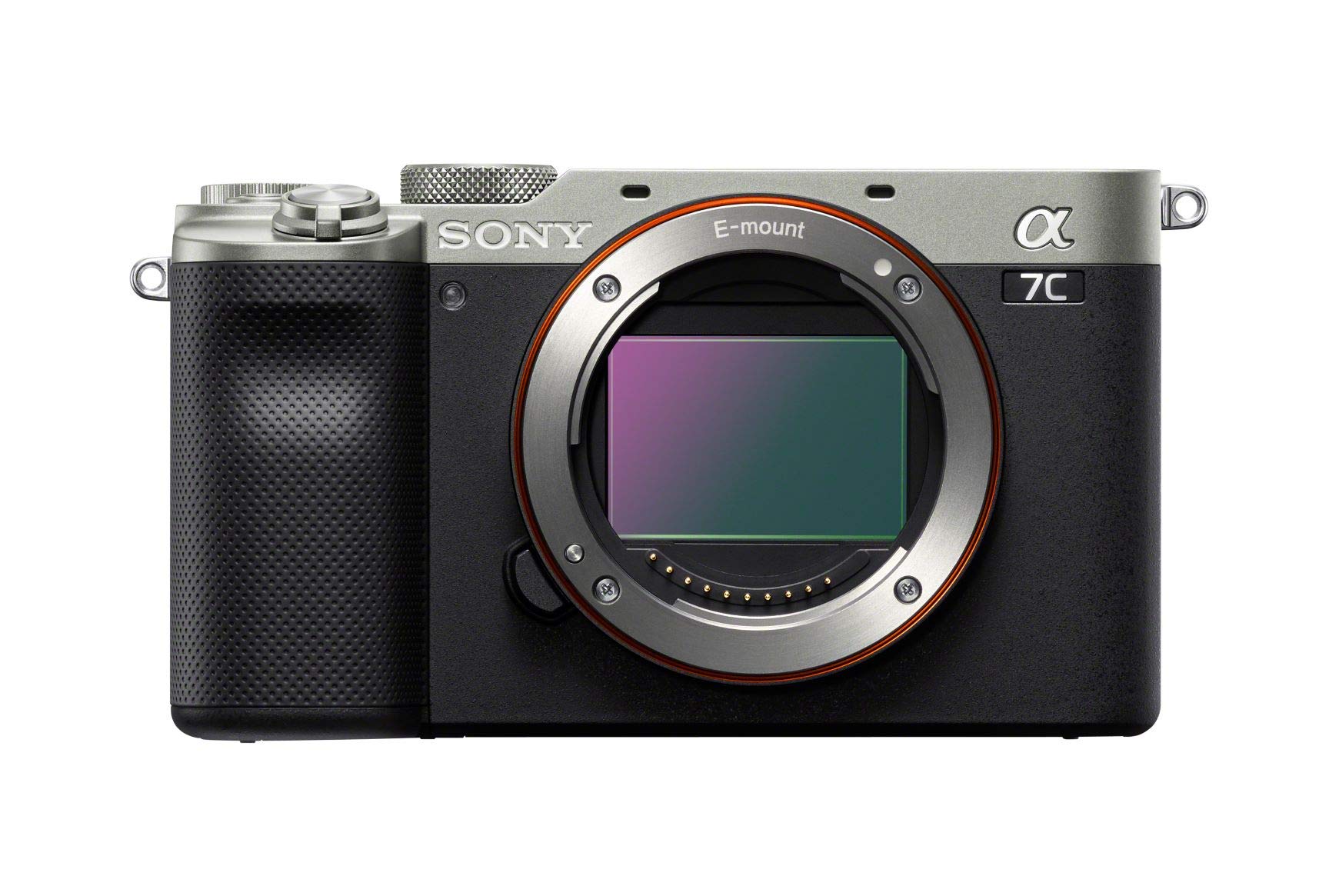

The Sony A7C and A7S III are two compelling full-frame mirrorless cameras from Sony that have gained popularity among photographers and videographers alike. While both cameras share a similar sensor size and mount, they cater to different needs and preferences. The A7C, known for its compact size and versatility, is ideal for travel photography and everyday use, while the A7S III is specifically designed for high-end videography and low-light performance. When choosing between these two models, potential buyers often weigh their priorities in image quality, autofocus performance, video capabilities, and overall usability.
Specifications Comparison
Detailed Comparison
Image Quality
In terms of image quality, the A7C boasts a 24-megapixel full-frame sensor, which provides a higher resolution for capturing finer details compared to the A7S III's 12-megapixel sensor. This can be particularly beneficial for landscape photographers or anyone requiring large prints or cropping flexibility. However, the A7S III is engineered for exceptional low-light performance and dynamic range thanks to its lower pixel count. This means that while the A7C produces sharper images in well-lit conditions, the A7S III excels in challenging lighting, creating cleaner images with less noise at higher ISO settings. Both cameras exhibit impressive color reproduction and depth, but the choice between them ultimately hinges on the photographer's primary use case.
Autofocus System
When it comes to autofocus, both cameras feature advanced systems, but the A7S III slightly edges out the A7C with 759 autofocus points compared to the A7C's 693. This means that the A7S III can provide more precise focus tracking, crucial for fast-moving subjects, making it a preferred choice for sports or wildlife photographers. Additionally, both cameras benefit from real-time Eye AF, which is a standout feature for portrait photographers. In practical use, users of either model will find responsive and accurate autofocus performance, but the A7S III offers that extra layer of detail and confidence, especially in demanding scenarios.
Video Capabilities
The Sony A7S III is designed specifically for video, offering stunning 4K recording at up to 120p, enabling slow-motion capabilities that the A7C cannot match, which supports 4K up to 30p. This makes the A7S III the go-to option for videographers looking to achieve high-quality footage with ample frame rates and advanced video features like 10-bit 4:2:2 internal recording. Additionally, the A7S III supports advanced color profiles for professional grading. For casual vloggers or those who primarily shoot stills, the A7C's video capabilities may suffice, but serious video creators will find the A7S III's offerings clearly superior.
Build & Ergonomics
When examining build quality and ergonomics, the A7C is lighter and more compact, weighing 509 grams compared to the A7S III's 699 grams, which can be advantageous for photographers who travel frequently. Its smaller dimensions make it less cumbersome to carry, whereas the A7S III's bulkier body may feel more robust in handheld shooting but could be less convenient for extended use without a rig. Both cameras feature weather sealing, enhancing their durability in various shooting environments. The A7S III's grip design is generally considered more comfortable for prolonged use, especially with larger lenses. Ultimately, the choice may depend on individual preference regarding size versus handling.
Battery & Storage
The A7C offers impressive battery life, allowing for up to 740 shots, compared to the A7S III's 600 shots. This can be particularly useful for long shooting days or travel situations where charging options may be limited. However, both models utilize the same NP-FZ100 battery and support USB-C charging, enhancing flexibility in the field. Storage-wise, both cameras support CFexpress Type A and SD UHS-II cards, but considering their primary use cases, many video professionals might favor the A7S III's options for faster write speeds in 4K recording scenarios. The A7C might have the upper hand in battery longevity, but the A7S III's storage capabilities could be deemed essential for professional users.
Value for Money
From a value perspective, the A7C's price point of $1799 makes it a more attractive option for both enthusiasts and professionals seeking a versatile full-frame camera without breaking the bank. It provides a solid feature set for a range of photography needs. In contrast, the A7S III, priced at $3499, is targeted towards serious videographers who require advanced capabilities, making it a more significant investment. For users who prioritize photography, the A7C offers an excellent balance of features for the price. However, for dedicated videographers, the A7S III's advanced features justify its higher cost.
Our Verdict
While both the Sony A7C and A7S III offer impressive capabilities, the A7C ultimately stands out as the winner due to its balance of features, lightweight design, and more attractive pricing. It is an excellent choice for photographers who appreciate versatility and good performance across various scenarios. The A7S III, while superior in low-light and video performance, is tailored specifically for users whose primary focus is professional videography and advanced filming features. Therefore, potential buyers should consider their primary shooting needs before making a decision, as each camera excels in distinct areas.
Sony A7C
Sony A7S III
Also Compare
Frequently Asked Questions
Which camera is better for low-light photography?
The Sony A7S III is better for low-light photography due to its lower megapixel count, which allows for larger pixels capturing more light, resulting in cleaner images at higher ISO settings.
Is the A7C suitable for videography?
Yes, the Sony A7C is suitable for videography, though it is limited to 4K 30p recording. Casual videographers will find it adequate, but serious video creators may prefer the A7S III for its advanced video features.
What is the main difference in autofocus systems?
The A7S III features 759 autofocus points compared to the A7C's 693 points, offering slightly better tracking and accuracy, particularly useful for fast-moving subjects.
How do the battery lives compare?
The Sony A7C offers a longer battery life of up to 740 shots, while the A7S III provides around 600 shots, making the A7C a more favorable option for extended shoots without recharging.
Which camera is more portable?
The Sony A7C is significantly more compact and lighter than the A7S III, making it more portable and easier to carry for travel or everyday photography.