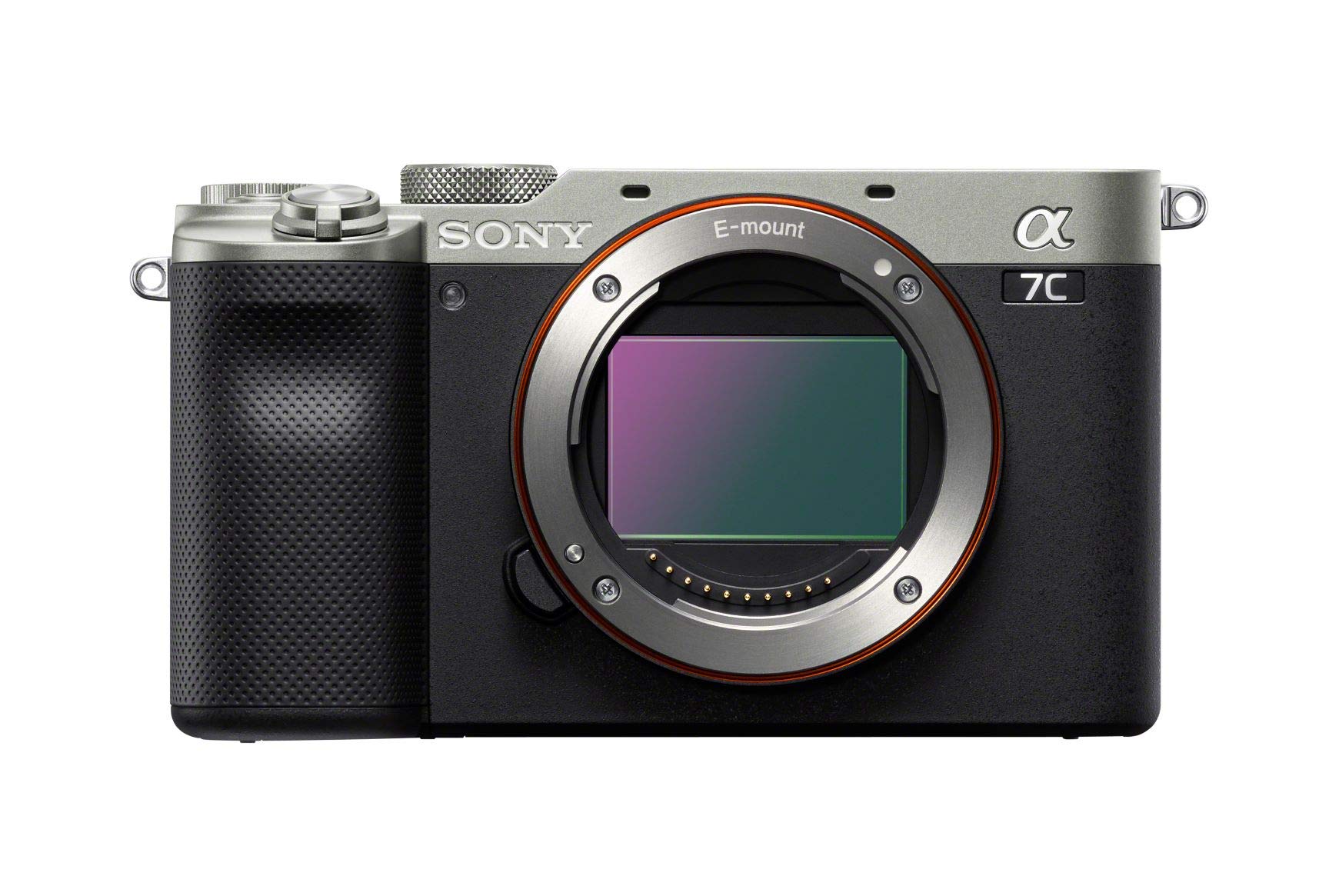
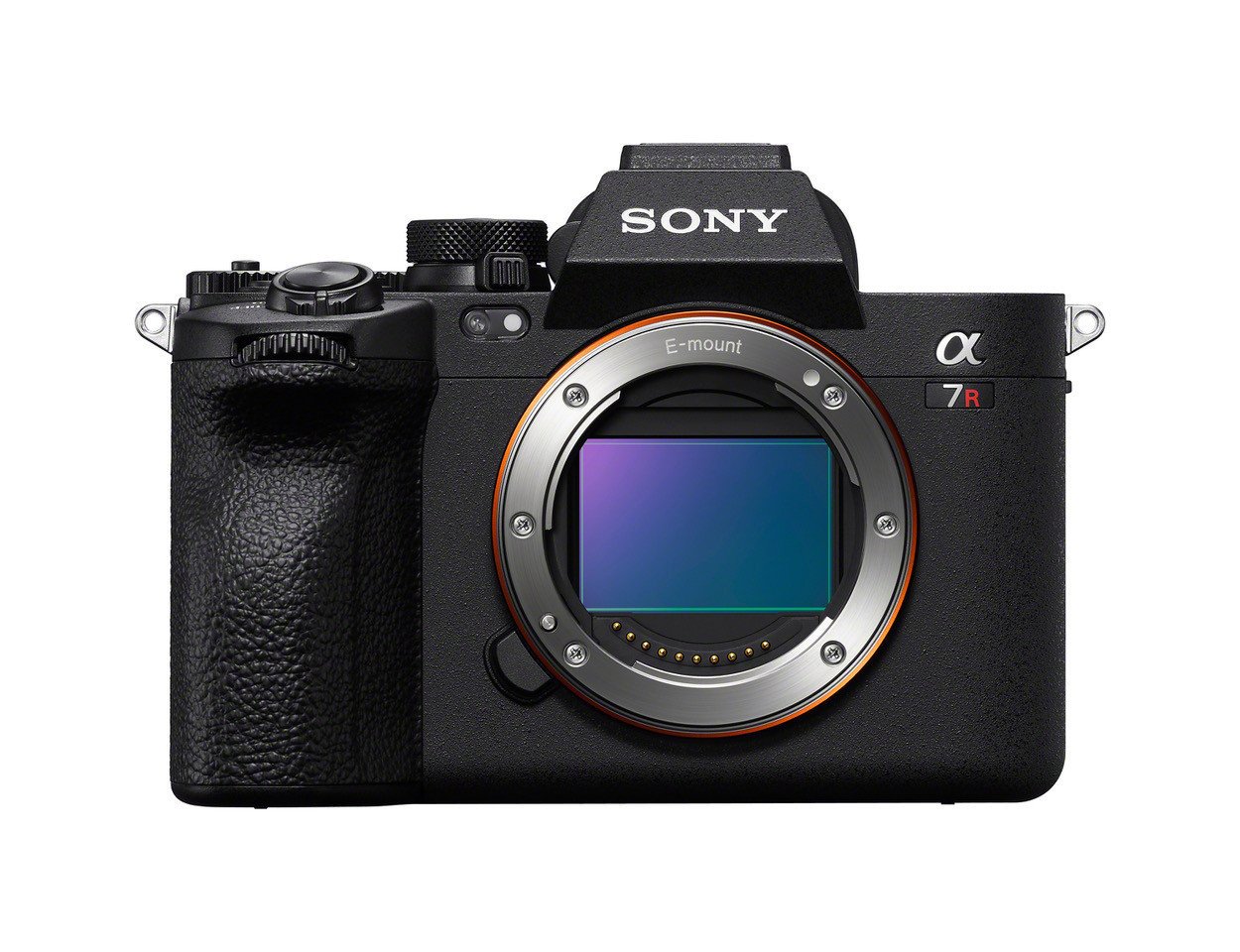
The Sony A7C and Sony A7R V are two formidable entries in Sony's full-frame mirrorless camera lineup, each tailored for different types of photographers. The A7C is designed with portability in mind, appealing to travel and documentary photographers who prioritize a lightweight and compact camera. Conversely, the A7R V stands as a powerhouse for those who demand premium image quality and advanced features for studio or landscape photography. This makes them two frequently compared cameras among enthusiasts and professionals alike, each appealing to distinct user needs.
Specifications Comparison
Detailed Comparison
Image Quality
The Sony A7C features a 24-megapixel sensor, which is impressive for a variety of photography styles, providing high-quality images with good detail and dynamic range. While it might not compete with higher resolution sensors, it still performs excellently in real-world applications. The A7R V, on the other hand, boasts a staggering 60-megapixel sensor, allowing for ultra-high-resolution images that capture immense detail, making it ideal for large prints and cropping. This substantial difference in megapixels makes the A7R V a clear winner for photographers focusing on detailed landscapes or commercial work requiring large files.
Moreover, in terms of ISO performance, the A7C offers an ISO range that extends up to 204800, which, while impressive, pales in comparison to the A7R V's extended range of 102400. Though the A7R V's ISO performance is optimized for low-light conditions, both cameras deliver great image quality in a variety of lighting scenarios. However, the A7R V captures finer details at higher resolutions, making it the top choice for critical image quality needs.
Autofocus System
Both cameras feature an impressive autofocus system with 693 autofocus points, ensuring quick and accurate locking on subjects. The real-world performance of both is commendable, supporting various shooting scenarios, from stills to fast-moving subjects. However, the A7R V includes newer AF technologies and AI-driven autofocus capabilities, which provide enhanced subject tracking and recognition, further solidifying its position as the superior choice for high-performance autofocus situations, particularly in dynamic environments like sports or wildlife photography.
While the A7C offers reliable autofocus, its performance in extremely challenging conditions may not match the A7R V. The advanced processing power in the A7R V leads to more precise focus, especially when working with complex or fast-moving subjects. Thus, this tech differentiation does have an impact on professional workflows where speed and accuracy are critical.
Video Capabilities
For videographers, the A7R V offers superior video capabilities with 4K recording at up to 60 fps, allowing for high-resolution footage with enhanced motion rendering. This makes it an excellent option for content creators looking for cinematic output. The A7C, while it can record 4K at up to 30 fps, falls short in terms of frame rate and resolution versatility. This can be a significant drawback for users who wish to shoot high-speed action or create more dynamic video content.
Additionally, both cameras come equipped with robust video features such as S-Log and HDR options. However, the A7R V's additional 4K 60fps capability places it ahead for users prioritizing advanced video work, making it the optimal choice for those seeking high-quality footage.
Build & Ergonomics
The A7C boasts a smaller footprint and is notably lighter at 509 grams, providing excellent portability for those on the go. Its compact design makes it perfect for travel photographers wanting to minimize gear weight without sacrificing full-frame performance. In contrast, the A7R V, with a weight of 723 grams, feels sturdier in hand and offers a more substantial grip, which can be beneficial during long shooting sessions or when using larger lenses.
Both bodies are weather-sealed, ensuring durability in various environmental conditions. However, the A7R V's larger and more tactile controls, along with its higher resolution screen at 2.1 million dots compared to the A7C's 921,600 dots, can enhance shooting experiences. This leads to the A7R V being a preferable option for users spending extended periods with their camera in hand.
Battery & Storage
In terms of battery life, the A7C excels with a higher rating of approximately 740 shots per charge compared to the A7R V's 530 shots. This extended endurance can be crucial for event photographers or during long shooting trips without easy access to recharge.
With storage, both cameras utilize the standard SD cards, but the A7R V supports fast UHS-II cards, which can significantly enhance writing speed and performance during burst shooting, especially at its higher resolution. This presents a trade-off where the A7C offers longer battery performance, but the A7R V provides improved memory efficiency for demanding users. Therefore, users need to consider which aspect aligns more closely with their shooting style.
Value for Money
The A7C is positioned as a more budget-friendly option with a price tag of $1,799, making it accessible for many enthusiasts entering the full-frame mirrorless market. It provides an amalgamation of solid performance, compact design, and good image quality without the need for professional-level features that may not be utilized by all photographers.
Conversely, the A7R V commands a premium price of $3,900, which reflects its high-resolution capability and advanced features, appealing primarily to professionals who require top-tier image quality for specialized work. For the average user or hobbyist, the A7C presents better value due to its balance of price and performance when compared to the A7R V's high-end offerings that may not be essential for less critical applications.
Our Verdict
Overall, while the Sony A7C wins in terms of price and portability, the Sony A7R V is the clear champion in image quality, video capabilities, and autofocus performance. The preference for either camera will ultimately depend on the intended use: enthusiasts and casual photographers looking for compact efficiency may gravitate towards the A7C, while professionals in need of exceptional detail and versatile video options will favor the A7R V. Each camera has its strengths, and understanding user needs will guide buyers towards the most suitable model.
Sony A7C
Sony A7R V
Also Compare
Frequently Asked Questions
Is the A7R V worth the extra cost over the A7C?
If you require high-resolution images for large prints or detailed cropping, the A7R V justifies its higher price. If you primarily shoot for online use or don't need the highest resolution, the A7C offers considerable value.
Which camera is better for video shooting?
The A7R V is superior for video due to its ability to shoot in 4K at 60fps, offering better versatility and quality. The A7C, while capable, is limited to 4K at 30fps.
How do the batteries compare in real-world use?
In practical scenarios, the A7C offers longer battery life, making it suitable for extended shoots without needing frequent recharges. However, both cameras may require additional batteries for heavy use.
What type of photography suits each camera best?
The A7C is excellent for travel and street photography due to its compact size, while the A7R V excels in studio and landscape photography where detail and resolution are critical.
Are the lenses interchangeable between these models?
Yes, both cameras use the Sony E mount, meaning all compatible Sony E lenses can be utilized on either model, providing flexibility in choosing lenses.