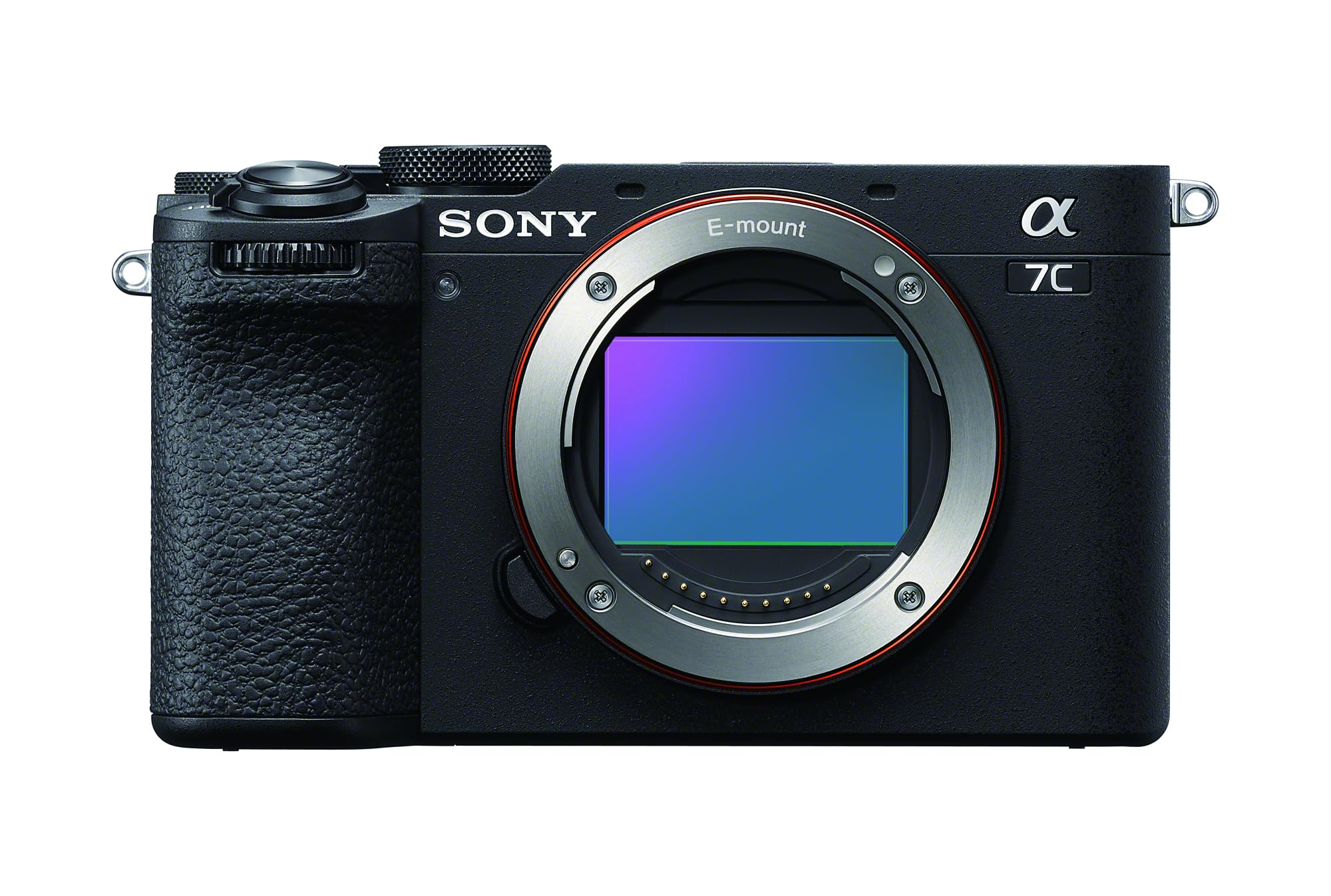
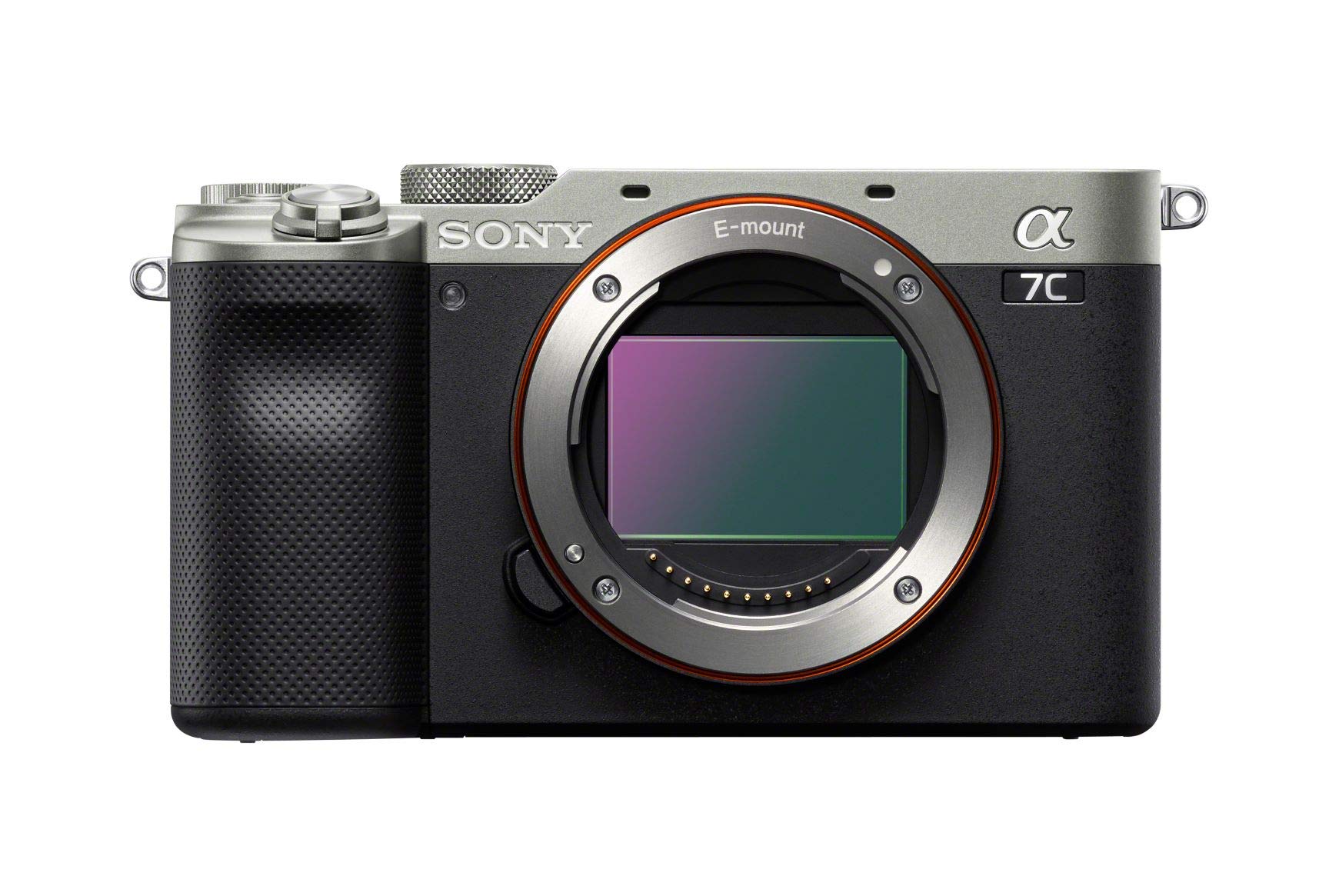
The Sony A7C II and the original Sony A7C are both prominent entries in the compact full-frame mirrorless camera category. Their similarities make them commonly compared among enthusiasts and professional photographers looking for a lightweight yet powerful option for photography and videography. Buyers often find themselves choosing between these two models due to slight variations in specifications and features that could significantly impact their specific use cases. Key differentiators include sensor resolution, autofocus capabilities, video specifications, and overall ergonomics.
Specifications Comparison
Detailed Comparison
Image Quality
The image quality between the Sony A7C II and A7C is significantly influenced by their sensor resolutions. The A7C II features a 33-megapixel sensor compared to the 24-megapixel sensor of the A7C. This additional resolution allows the A7C II to capture finer details, which can be particularly advantageous for landscape photography or large prints. Both cameras share the same ISO range, allowing for excellent low-light performance, but the higher resolution of the A7C II may display less noise at higher ISOs when post-processing images. However, the difference in resolution may not be as noticeable in standard print sizes or web usage.
Both cameras support RAW and JPEG formats, allowing for flexible editing options. When compared under various lighting conditions, photographers may find that the A7C II provides a slight edge in dynamic range and color accuracy due to enhancements made in post-processing capabilities related to the additional resolution. Thus, for pure image quality, especially in dynamic environments, the A7C II emerges as the superior choice.
Autofocus System
The autofocus systems of both the A7C II and A7C provide robust performance, but they differ in both the number of focus points and capabilities. The A7C II boasts 759 autofocus points, significantly outperforming the A7C's 693 points. This increased number gives the A7C II better tracking capabilities, especially with moving subjects, which is crucial for wildlife or sports photography. Additionally, both cameras incorporate eye autofocus and face detection, but the improvements in the A7C II might provide faster and more precise focusing in challenging conditions.
In real-world applications, users of the A7C II may experience a more responsive autofocus system with better accuracy, particularly when shooting at wider apertures where depth of field becomes critical. Although the original A7C is competent, those who prioritize fast-moving subjects or often photograph in dynamic settings would benefit from the enhanced autofocus performance of the A7C II.
Video Capabilities
Video enthusiasts will find significant differences when comparing the video capabilities of the two models. The A7C II offers 4K video recording at 60 frames per second, which is a substantial upgrade over the A7C's 4K at 30 frames per second. This enhancement not only allows for smoother footage but also provides more flexibility in post-processing, especially useful for cinematic projects where frame rate consistency is critical.
Both cameras support 10-bit 4:2:2 internal recording, which improves color grading in post-production. The A7C II also benefits from improved video stabilization, rated at 7 stops compared to the original A7C's 5 stops. This can make a considerable difference for handheld shooting, allowing operators to achieve smoother footage without additional gimbals or stabilization hardware. Thus, for those who prioritize video performance, the A7C II clearly outshines its predecessor.
Build & Ergonomics
Both the Sony A7C II and A7C feature a similar compact design that is well-regarded for portability. They have nearly identical dimensions, though the A7C II weighs just slightly more at 514 grams compared to the 509 grams of the A7C. The difference in weight is negligible for most users. Both models possess weather-sealed bodies designed for use in various environmental conditions, making them reliable choices for outdoor photographers.
One notable difference is the screen resolution; the A7C II has a screen with 1,036,800 dots compared to 921,600 dots on the A7C. This results in enhanced clarity and detail on the A7C II's LCD, making it more user-friendly for composing shots outdoors in bright sunlight. Overall, although both cameras are built well, the minor improvements in the A7C II, including the higher-resolution screen, make it the preferable choice for those who prioritize usability.
Battery & Storage
In terms of battery life, the original A7C offers slightly improved performance with a lifespan of 740 shots versus the A7C II's 540 shots per charge. For photographers who often shoot long sessions without access to charging, this extended battery life on the A7C can be advantageous. However, both models utilize the Sony NP-FZ100 battery, allowing for shared accessories.
Both cameras support dual SD card slots, offering flexibility for storage during long shoots. However, the A7C II also introduces support for CFexpress Type A cards, which can enhance write speeds, particularly valuable for burst shooting and high-resolution video settings. Therefore, while the A7C has superior battery life, the A7C II's improved storage capabilities might be more appealing to extensive video users or those shooting quickly.
Value for Money
Price-wise, the A7C II comes with a retail price of $2,200, while the A7C is priced at $1,799. For buyers on a budget or those who find the original A7C's capabilities sufficient for their needs, the older model presents a compelling value proposition, especially given its excellent performance and features for most shooting scenarios.
However, for those willing to invest in the latest technology, the A7C II justifies its higher price tag with added features such as enhanced image quality, superior autofocus capabilities, improved video specs, and an upgraded display. Value will ultimately depend on the buyer's specific needs; professional content creators will find the A7C II offers worthwhile advancements, while hobbyists or casual users might prioritize the savings offered by the original A7C.
Our Verdict
Overall, the Sony A7C II wins this comparison due to its enhanced image quality, superior autofocus system, and advanced video capabilities. It is particularly well-suited for emerging professionals and videographers looking for an all-in-one tool that excels in various environments. Meanwhile, the Sony A7C still holds its ground as a highly capable camera for those who prioritize battery life and cost-effectiveness. In scenarios where budget and battery longevity are key, the A7C remains a strong contender.
Sony A7C II
Sony A7C
Also Compare
Frequently Asked Questions
Is the increase in megapixels worth it in the A7C II?
For photographers needing greater detail and larger prints, the A7C II's 33-megapixel sensor is certainly beneficial. However, for everyday shooting, the 24 megapixels of the A7C may suffice.
How much better is the autofocus on the A7C II?
The A7C II features 759 autofocus points compared to 693 in the A7C, meaning it offers better tracking of moving subjects and improved responsiveness, which can be crucial for action photography.
Is the video quality significantly better in the A7C II?
Yes, the A7C II allows for 4K recording at 60 fps as opposed to the A7C's 30 fps, providing smoother video and greater flexibility for filmmakers.
How does battery life compare between the two models?
The A7C offers better battery life, lasting 740 shots compared to the A7C II's 540 shots, which may be an essential factor for long shooting sessions.
Should I invest in the newer A7C II or stick with the original A7C?
If you require the latest advancements in image quality and video capabilities, the A7C II is worth the investment. However, if budget is a concern and your needs align with the A7C's specs, it's still an excellent option.