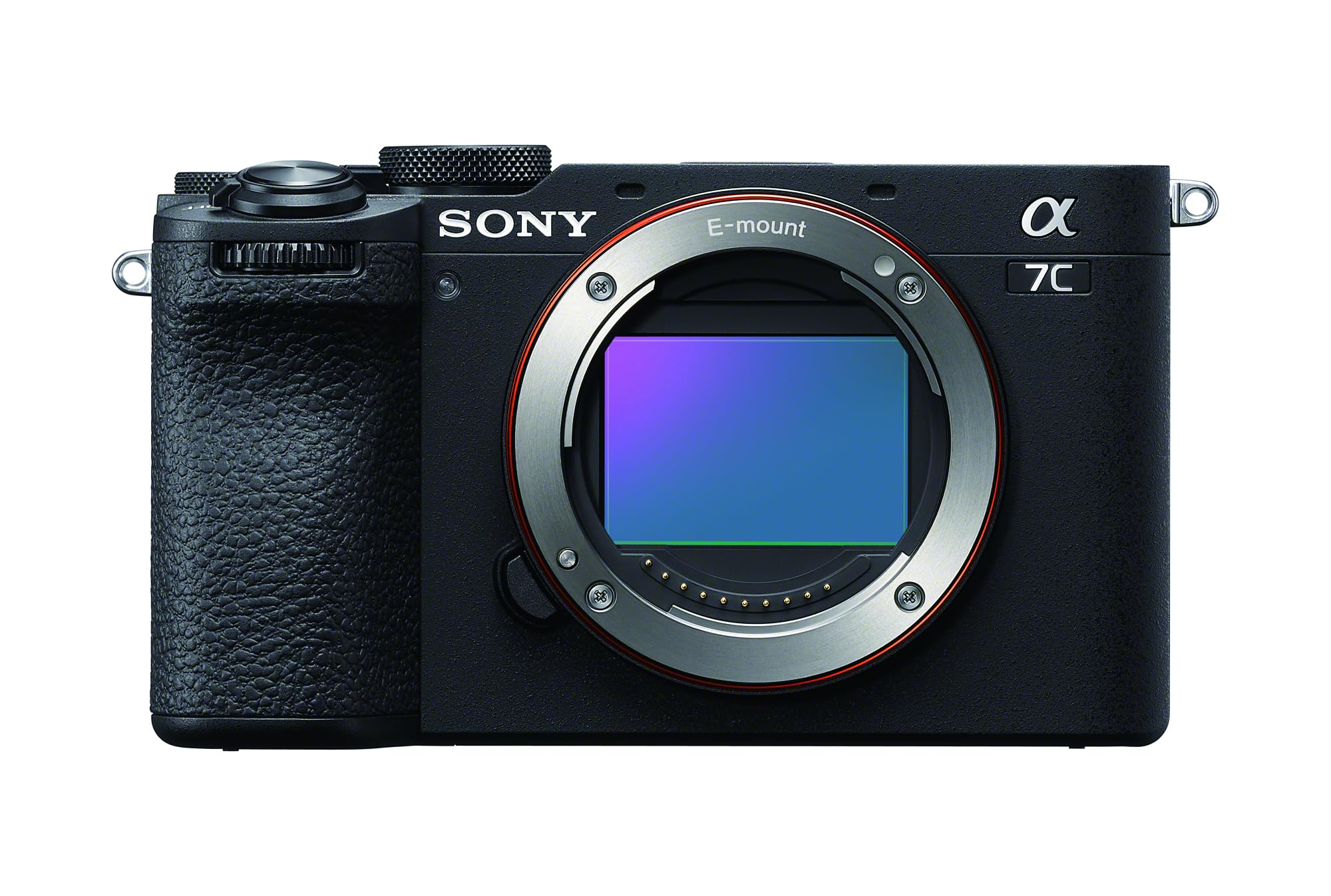

The Sony A7C II and Sony A9 III are two of Sony's latest offerings in the mirrorless camera market, catering to different types of photographers and videographers. The A7C II is aimed at content creators who prioritize portability without compromising on image quality, while the A9 III is designed for professional sports and action photographers requiring high-speed performance and superior autofocus capabilities. Buyers often find themselves choosing between these models due to their complementary strengths and overlapping features, making it crucial to understand what each offers in order to make an informed decision.
Key differentiators include sensor resolution, continuous shooting speed, video capabilities, and stabilization. With the A7C II touting higher resolution and impressive stabilization, it's perfect for stills and everyday shooting. On the other hand, the A9 III specializes in speed and autofocus versatility, appealing most to those who shoot fast-moving subjects or require ultra-responsive performance. This comparison aims to clarify the pros and cons of each model across various categories critical to photographers and videographers alike.
Specifications Comparison
Detailed Comparison
Image Quality
The Sony A7C II features a 33-megapixel full-frame sensor, which allows for a higher level of detail and better cropping potential in post-production. This makes it an excellent choice for landscape, portrait, and product photography where resolution is key. The A7C II's expanded ISO range of 50-204800 also makes it versatile in low-light situations, producing less noise at higher ISO settings compared to its competitors.
In contrast, the Sony A9 III comes with a lower 25-megapixel sensor, which is designed for fast performance over ultimate resolution. While 25 megapixels is still ample for many professional applications, users may find they have to be more conservative with cropping in post-production. Its ISO performance is also solid, but not quite as broad as that of the A7C II, potentially affecting low-light performance at the highest ISO settings.
Overall, while both cameras provide excellent image quality suitable for professional work, the A7C II edges ahead with higher resolution and better low-light capability, producing more detailed images at the cost of frame rate performance. For those who prioritize image resolution in a variety of shooting conditions, the A7C II takes the lead.
Autofocus System
The autofocus systems in both cameras are strong, but they cater to different user needs. The A7C II offers 759 autofocus points, providing a comprehensive coverage area. This allows for fast and accurate focusing in most situations, including tracking moving subjects to a degree.
On the other hand, the A9 III stands out for its incredible autofocus capabilities, particularly with its ability to shoot at up to 120 frames per second. This speed is complemented by advanced tracking technology, making it ideal for sports and wildlife photography. With the A9 III's intelligent real-time tracking, even the most fleeting moments can be captured without missing focus.
While both cameras deliver reliable autofocus, the A9 III's superior performance in high-speed environments gives it an edge, particularly for professionals needing maximized shooting efficiency and accuracy under demanding conditions.
Video Capabilities
Video features are significant considerations for modern-day photographers and filmmakers. The A7C II supports up to 4K at 60p, which provides high-quality video output for vlogs and cinematic projects, making it ideal for hybrid shooters who need both photography and videography options in a compact form factor. The A7C II also benefits from its 7-stop stabilization, ensuring smooth footage even during handheld shooting.
In contrast, the A9 III is more geared toward high-speed video production, offering 4K up to 120p. This feature is particularly appealing for professional video demands, allowing for high-resolution slow-motion captures that create dynamic storytelling opportunities in film and sports coverage. Additionally, the A9 III's robust stabilization further enhances its videography capabilities.
With both cameras capable of handling video well, the A9 III is more suitable for serious videographers or those needing high frame rate options, while the A7C II serves well for content creators who focus more on conventional video recording.
Build & Ergonomics
When it comes to build quality and ergonomics, the A7C II weighs in at 514 grams and offers a compact design, making it a great choice for travel and everyday use. With dimensions of 124 x 71 x 63 mm, it is easier to handle for long periods and less cumbersome to carry around. It is also weather-sealed, providing added protection against inclement conditions.
Conversely, the A9 III is heavier at 617 grams and larger at 136 x 97 x 83 mm. Although this makes it slightly less portable, the body is designed for durability with a robust build quality, providing a more substantial grip that many professional users may prefer during long shooting sessions. Some users may appreciate the larger screen size at 3.2 inches, providing better visibility for image review and composition.
Overall, while the A7C II offers superior portability, the A9 III enhances durability and grip, appealing more to dedicated professionals who frequently shoot in demanding environments.
Battery & Storage
Battery life can greatly affect the shooting experience, especially for professionals on long shoots. The Sony A7C II boasts a respectable battery life, rated for approximately 540 shots per charge, which is reasonable for its class and allows users to shoot for extended periods without needing to recharge frequently.
In contrast, the A9 III also offers a solid battery life but maintains competitive performance with a similar battery rating, although specific numbers may vary based on shooting mode and usage patterns. Both cameras utilize the Sony E mount, which provides a wide range of lens options necessary for various types of shooting.
Despite both cameras providing adequate battery life for typical usage, the A7C II has a slight edge due to its efficiency and fewer demands when not operating under high-speed conditions. It provides peace of mind for those who aren't always able to swap batteries during shoots, making it slightly more user-friendly in this regard.
Value for Money
The pricing of the A7C II sits around $2200, which is relatively appealing considering its full-frame features, high resolution, and portability. It's particularly attractive to content creators and enthusiasts who are looking for a versatile camera that excels in both stills and video.
Meanwhile, the A9 III is priced higher, but its performance justifies the additional investment for professional photographers. With its advanced autofocus system and high-speed capabilities, it serves as an essential tool for anyone in need of real-time response and accuracy, particularly in fast-paced environments.
Ultimately, the A7C II offers excellent value for those looking for a multifunctional camera, while the A9 III, though pricier, represents an investment in performance for professionals who will benefit from its superior features. Depending on budget constraints and shooting requirements, either model could be seen as a value proposition in their own right.
Our Verdict
The overall winner of this comparison is the Sony A7C II, owing to its balance of image quality, portability, and versatility, making it an appealing choice for hybrid shooters or enthusiasts. It excels in still photography and offers reasonable video capabilities, making it suitable for a variety of users. While the A9 III shines in high-speed shooting situations and serious professional applications, its higher price point and specific strengths may deter some hybrid shooters or casual users who would benefit more from the A7C II. Ultimately, each camera fulfills different needs, but for most buyers, the A7C II provides a stronger overall value in a competitive market.
Sony A7C II
Sony A9 III
Also Compare
Frequently Asked Questions
What is the main difference in autofocus capabilities?
The A9 III surpasses the A7C II with its faster continuous shooting rate and superior autofocus tracking, making it better suited for fast-moving subjects.
Which camera is better for videography?
The A9 III excels in videography with its 4K 120p capability, providing high-resolution slow-motion video, while the A7C II is more centered around flexibility and ease of use for hybrid shooters.
Is the A7C II better for low-light photography?
Yes, the A7C II's higher megapixel count and expanded ISO range provide greater flexibility for low-light shooting, reducing noise at high ISO settings.
What kind of photographer would benefit from the A9 III?
Sports and action photographers who need fast performance and rapid autofocus response will find the A9 III more suitable for their requirements.
How does portability compare between the two models?
The A7C II is more compact and lighter than the A9 III, making it easier to carry for longtime use, whereas the A9 III is heavier and bulkier, catering more to serious professionals.