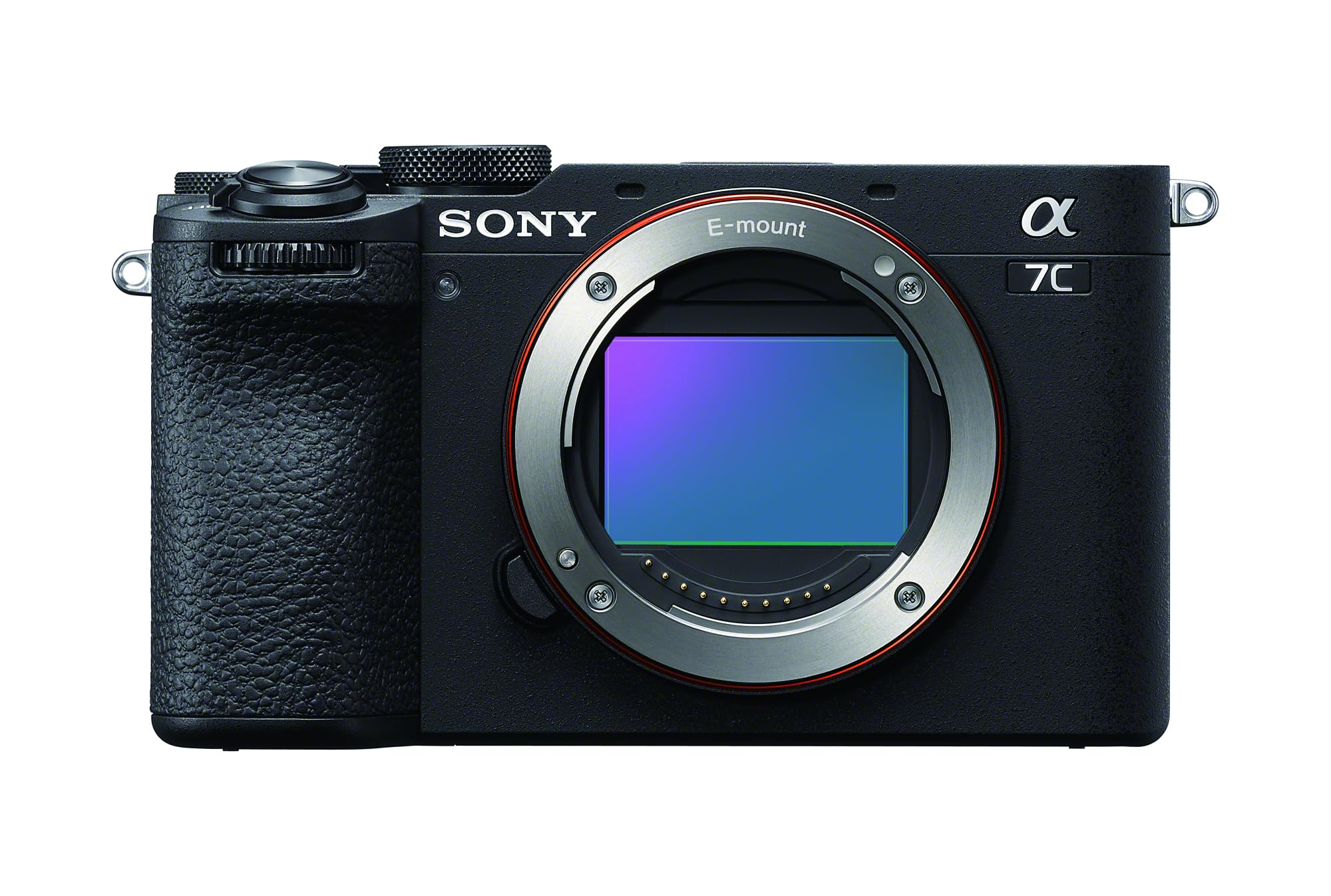
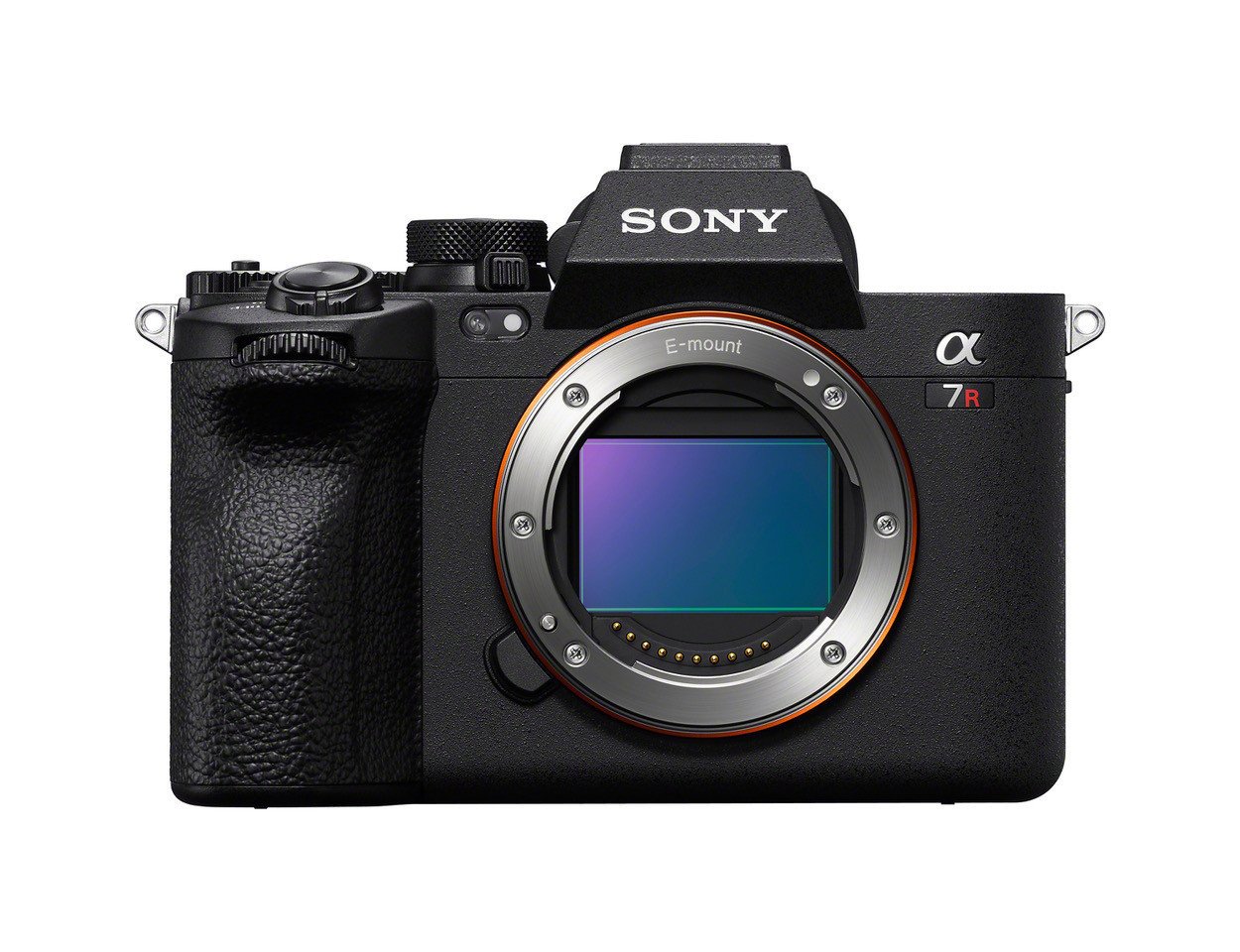
The Sony A7C II and Sony A7R V are two impressive models from Sony's acclaimed Alpha series, catering to a wide range of photographers and videographers. The A7C II is celebrated for its compact design, making it a great choice for those who prioritize portability without sacrificing performance. On the other hand, the A7R V is designed for professionals who demand top-notch image quality and resolution, ideal for detailed studio work and landscapes. This comparison will help potential buyers understand which camera better serves their specific needs, particularly focusing on the differentiating factors of resolution, autofocus capabilities, and build quality.
Specifications Comparison
Detailed Comparison
Image Quality
When it comes to image quality, the Sony A7R V takes the lead thanks to its impressive 60-megapixel sensor. This high resolution allows for capturing exquisite detail, making it a perfect choice for landscape and portrait photographers who need the ability to crop without losing quality. The A7C II, with its 33-megapixel sensor, still delivers strong performance but falls short in scenarios where maximum resolution is critical. Both cameras perform well in low-light conditions; however, the A7R V has a higher native ISO range and slightly better performance at higher ISO settings due to its more advanced sensor technology. While both cameras offer excellent image quality, the increased megapixel count and enhanced low-light performance give the A7R V the edge in this category.
Autofocus System
The autofocus systems on both the A7C II and A7R V are top-notch, although they cater to different user preferences. The A7C II boasts 759 autofocus points, which offer rapid and accurate focusing for both stills and video. It's particularly effective for moving subjects, making it a good option for action photography. The A7R V, while having slightly fewer points at 693, features advanced AI-based subject recognition that significantly enhances focusing speed and accuracy, especially in complex scenes. Both cameras support real-time eye autofocus for humans and animals. In practical terms, users may find that the A7C II's autofocus is slightly better suited for fast-paced shooting, while the A7R V excels in intricate scenes where subject detection is paramount, making it harder to declare an outright winner.
Video Capabilities
Both the A7C II and A7R V offer robust video features, including 4K video recording up to 60fps. The A7C II, however, is designed with vlogging in mind, featuring a compact body and a fully articulating screen that enhances usability for video creators. Meanwhile, the A7R V, with its substantial resolution and higher bitrate options, is tailored toward filmmakers who require high detail and dynamic range in their footage. From a creative perspective, while both cameras support 10-bit 4:2:2 internal recording, the A7R V's additional features like S-Cinetone and higher frame rates in certain modes make it more versatile for cinematic projects. Therefore, in video capabilities, the A7R V slightly edges out, especially for serious videographers.
Build & Ergonomics
In terms of build and ergonomics, the A7C II's compact design makes it a more portable option, weighing just 514g and measuring 124 x 71 x 63 mm. This is ideal for travel and street photography. However, some shooters may prefer the A7R V's more substantial build at 723g and larger dimensions of 131 x 97 x 82 mm, offering a more comfortable grip for extended use, especially with heavier lenses. Both cameras feature weather sealing, which is essential for outdoor shooting. The A7R V's slightly larger screen at 3.2 inches and higher resolution also makes for improved usability. Therefore, while the A7C II excels in portability, the A7R V offers superior handling for serious photographers.
Battery & Storage
Both the A7C II and A7R V offer comparable battery life, with the A7C II rated for approximately 540 shots and the A7R V slightly lower at 530 shots. However, the choice of storage also plays a role for users leaning toward more extensive video work or high-resolution photography. Both cameras support dual card slots, compatible with CFexpress Type A and SD UHS-II, however, the A7R V's ability to handle more extensive write speeds due to its higher resolution might enhance its functionality for continuous shooting scenarios. Therefore, while both have capable battery performance, the A7R V offers a slight advantage in flexibility for high-demand work.
Value for Money
Price is where a significant distinction lies, with the A7C II retailing at around $2200 and the A7R V at approximately $3900. The A7C II presents an attractive value proposition for those looking for a full-frame camera with solid features without breaking the bank, making it an appealing choice for enthusiasts and hobbyists. Conversely, the A7R V, priced for professionals and serious enthusiasts, justifies its cost through its higher resolution, advanced autofocus, and superior video capabilities. For individuals who do not require the highest megapixel count or advanced features, the A7C II offers exceptional performance at a more accessible price point, reflecting better overall value for many users.
Our Verdict
In conclusion, while both the Sony A7C II and the A7R V bring formidable capabilities to the table, the A7R V emerges as the overall winner, particularly for professional photographers and videographers who need the highest image resolution and versatility. However, the A7C II's compactness and value make it an outstanding choice for travel photographers, vloggers, and enthusiasts who may not require the extensive features of its pricier counterpart. Each camera caters to different user needs, affirming that the right choice hinges on specific shooting preferences and requirements.
Sony A7C II
Sony A7R V
Also Compare
Frequently Asked Questions
Which camera is better for landscape photography?
The Sony A7R V, with its 60MP sensor and superior image quality, is optimal for landscape photography due to its ability to capture intricate details.
Is the A7C II good for vlogging?
Yes, the A7C II's compact design and fully articulating screen make it an excellent choice for vlogging and travel video content.
How do the autofocus systems compare?
Both cameras have excellent autofocus systems, but the A7R V benefits from advanced AI detection, making it superior in complex shooting scenarios.
Which camera offers better low-light performance?
While both perform well in low light, the A7R V has a wider ISO range, giving it an edge in high-ISO scenarios.
Is the A7C II worth the price?
For those seeking a full-frame camera with strong features at a more accessible price, the A7C II offers excellent value, especially for enthusiasts and casual professionals.