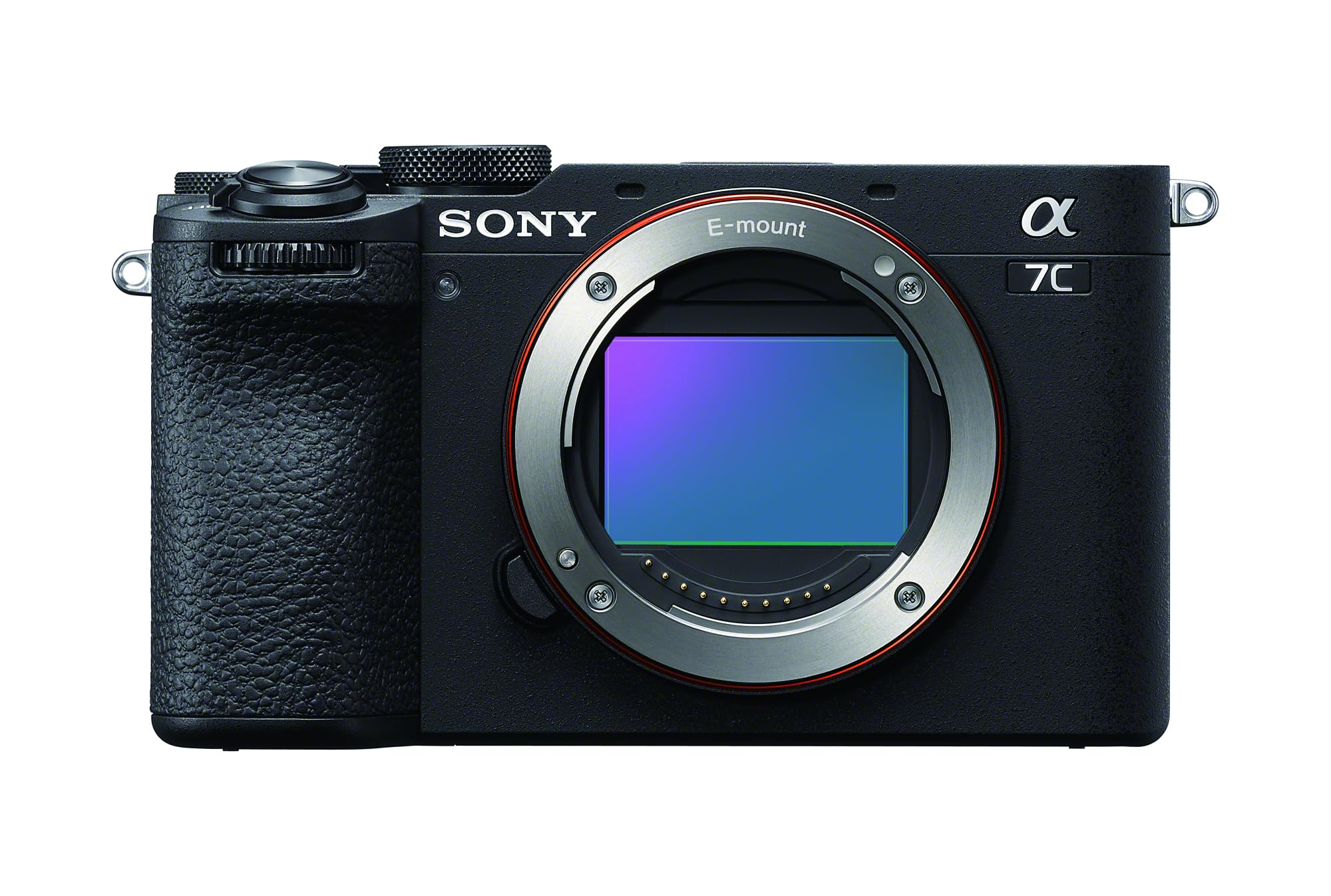
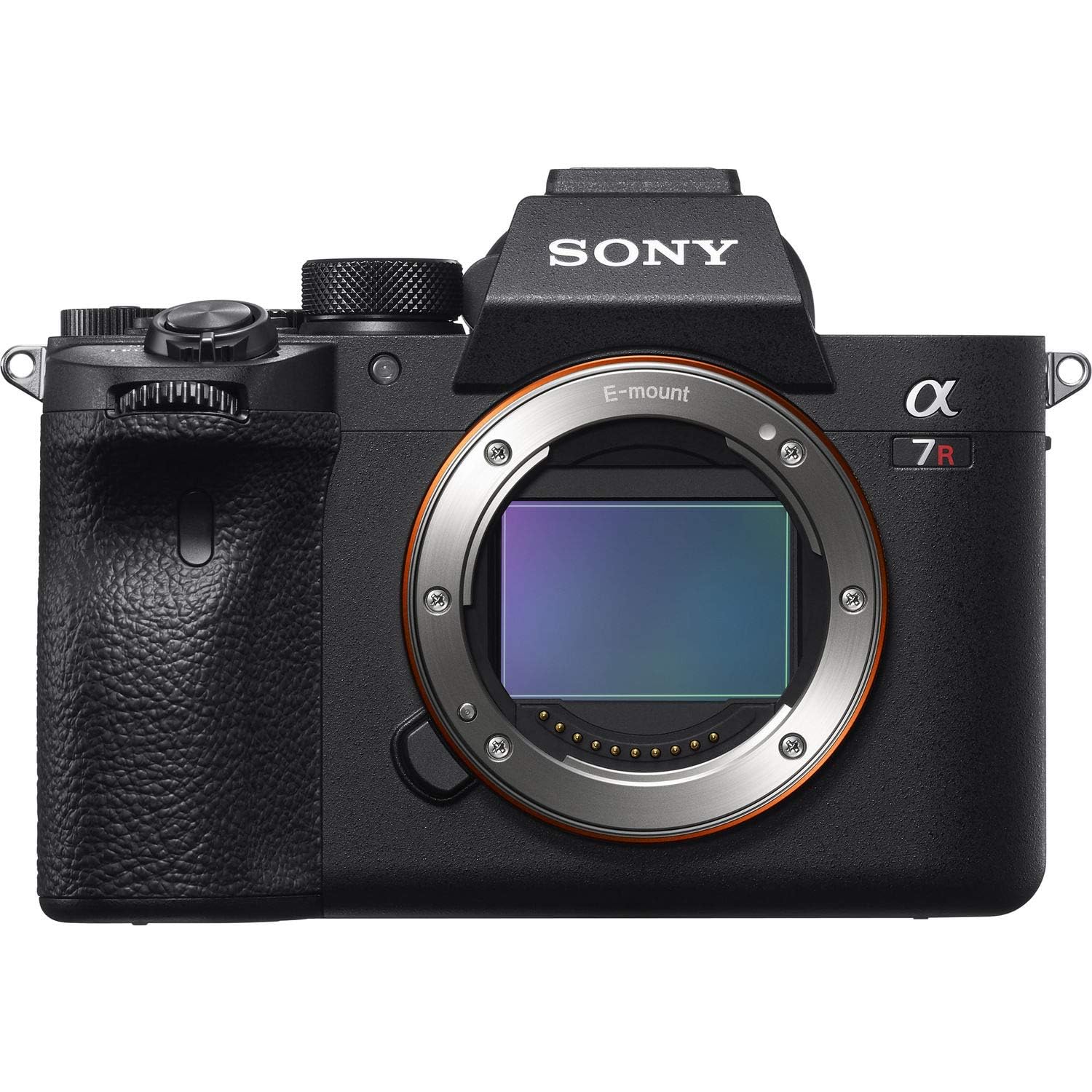
The Sony A7C II and Sony A7R IV are two compelling choices in Sony's full-frame mirrorless camera lineup, attracting photographers and videographers who desire high performance in compact bodies. The A7C II, released in 2023, is designed for enthusiasts who want portability without sacrificing capabilities, while the A7R IV, launched in 2019, targets professional photographers who prioritize image resolution and detail. The key differentiators come down to resolution, video capabilities, autofocus systems, and overall handling, making the decision process pivotal based on individual needs.
Specifications Comparison
Detailed Comparison
Image Quality
When it comes to image quality, the A7R IV clearly outshines the A7C II, boasting an impressive 61 megapixels compared to the 33 megapixels of the A7C II. The increased resolution allows for greater detail and larger prints, making it the ideal choice for landscape and studio photographers. The A7R IV's full-frame sensor can capture vast dynamic range, providing impressive tonal detail in both highlights and shadows, especially when shooting in RAW format.
In low light scenarios, both cameras exhibit commendable performance, with the A7C II providing an ISO range expandable up to 204800 and the A7R IV up to 102800. While both offer solid noise control, the A7R IV tends to produce cleaner images at higher ISO settings due to its sensor architecture. However, for many casual shooters and videographers, the A7C II's performance will be more than sufficient for everyday conditions and standard prints.
In conclusion, if image resolution and detail are paramount, especially for professional use, the A7R IV holds a notable advantage. On the other hand, for general photography where high megapixels are not critical, the A7C II still delivers remarkable quality, particularly for those prioritizing compactness and versatility.
Autofocus System
The autofocus systems of both cameras are impressive, with the A7C II featuring 759 autofocus points as opposed to the 567 found in the A7R IV. This allows for greater coverage and improved tracking capabilities in the A7C II, particularly beneficial for photographers capturing fast-moving subjects or shooting in dynamic environments. Additionally, the A7C II includes advanced real-time tracking and Eye Autofocus in both humans and animals, pushing this version's usability for contemporary photographers.
Despite having fewer autofocus points, the A7R IV still provides exceptional autofocus accuracy that is reliable for still photography, thanks to its advanced algorithms and a strong overall performance in most scenarios. It supports Eye Autofocus features as well, which have been a major selling point in Sony's mirrorless cameras.
Ultimately, while both cameras deliver excellent autofocus performance, the A7C II edges out by offering a more comprehensive AF system suited for various shooting scenarios. This becomes increasingly crucial for videographers and sports photographers who require speed and accuracy in fast-paced conditions.
Video Capabilities
In terms of video capabilities, the A7C II is notable for its 4K 60p video recording, allowing for smoother and more cinematic footage which is a significant step up from the A7R IV's 4K 30p limitations. This makes the A7C II more suited for videographers who are looking to produce high-frame-rate content or want to achieve slow-motion effects in post-production. Additionally, the A7C II has advanced video features such as S-Log3 and HDR recording that provide the flexibility needed in color grading.
Conversely, the A7R IV's video performance is commendable but less versatile for high-frame-rate needs. It does support 4K recording with full-frame readout, which provides high-quality video with minimal cropping; however, it remains limited to 30p. Its strength lies in exceptional detail, making it still a good choice for filmmakers who prioritize resolution over frame rate.
In summary, if video is a priority for you, the A7C II offers greater capabilities. It's specifically designed for modern videographers, while the A7R IV remains an excellent option for high-resolution video recording without the need for high frame rates.
Build & Ergonomics
The build quality of both cameras is robust, featuring weather sealing to protect against the elements. However, when comparing ergonomics, the A7R IV is bulkier, weighing 665 grams against the lighter A7C II at 514 grams. The A7C II's compactness makes it more travel-friendly, appealing to photographers who prefer a lightweight option for street or travel photography without compromising on features.
On the other hand, the A7R IV's larger dimensions offer a more comfortable grip, especially for users with larger hands or for those who prefer using heavier lenses. Its layout provides better accessibility to controls, which can enhance the overall shooting experience for serious photographers.
Both cameras feature an electronic viewfinder and a tilting screen, but the A7R IV's screen has higher resolution at 1,440,000 dots, providing better clarity when composing shots. In terms of ergonomics, each camera offers distinct advantages, favoring either portability with the A7C II or usability and grip comfort with the A7R IV.
Battery & Storage
Battery life is a critical consideration for photographers and filmmakers. The A7C II boasts a rated battery life of approximately 540 shots, while the A7R IV offers slightly more at 670 shots. This can be a significant advantage during long shooting sessions, especially in remote locations where changing batteries might not be feasible.
Both models use the same NP-FZ100 battery, which is a powerful option found across several modern Sony cameras. Both cameras support dual card slots; however, the A7R IV's increased resolution means it will require larger storage capacity and faster write speeds when shooting in RAW or high-resolution video. This could factor into overall costs when investors are updating their storage for higher-demand photography.
While both cameras have similar battery characteristics, the A7R IV's marginally better battery performance and dual slot capability can make it more suitable for intensive shooting scenarios, like wildlife or events where changing or charging batteries isn't immediate.
Value for Money
The A7C II presents a compelling value proposition at a retail price of $2200, offering expansive features for enthusiasts and semi-professionals who might not need the highest resolution but desire robust video capabilities and portable design. For this price, buyers receive excellent performance across a variety of photography genres without the added expense of high-resolution needs.
In contrast, the A7R IV, priced at $3500, is undoubtedly an investment geared toward professional users demanding the utmost in image quality for landscapes, studio work, and other applications where detail is critical. Its higher price tag reflects its advanced technology and enhanced capabilities, catering specifically to those requiring high megapixels and superior autofocus performance.
Overall, the A7C II represents a better value for many, particularly for those that prioritize video and versatility in their shooting styles. The A7R IV, while pricier, justifies its cost with advanced imaging capabilities that only serious professionals may fully exploit.
Our Verdict
Overall, the Sony A7C II emerges as the winner in this comparison, particularly for those prioritizing a balance of features, portability, and video capabilities. It is well-suited for travel, street photography, and adaptable shooting needs. The A7R IV, while superior in resolution and suited to professionals chasing the highest image quality, may be overkill for regular users or those primarily interested in video work. Therefore, buyers need to assess what they value most in terms of functionality and shooting style when choosing between these two excellent cameras.
Sony A7C II
Sony A7R IV
Also Compare
Frequently Asked Questions
Is the A7C II better for video than the A7R IV?
Yes, the A7C II supports 4K 60p video, whereas the A7R IV is limited to 4K 30p, making the A7C II a better option for videographers looking for higher frame rates.
Which camera is more portable?
The A7C II is significantly lighter and more compact at 514 grams compared to the 665 grams of the A7R IV, making it a better choice for on-the-go photography.
How important is resolution in photography?
Resolution is crucial for large prints and high-detail work. The A7R IV's 61 megapixels offer significant advantages in this area, while the A7C II's 33 megapixels are suitable for most general photography needs.
Are both cameras weather-sealed?
Yes, both the A7C II and A7R IV come with weather-sealed bodies, allowing them to be used in various weather conditions.
Which camera has a better autofocus system?
The A7C II features a more advanced autofocus system with 759 points, compared to the A7R IV's 567 points, making it superior in fast-moving shooting scenarios.