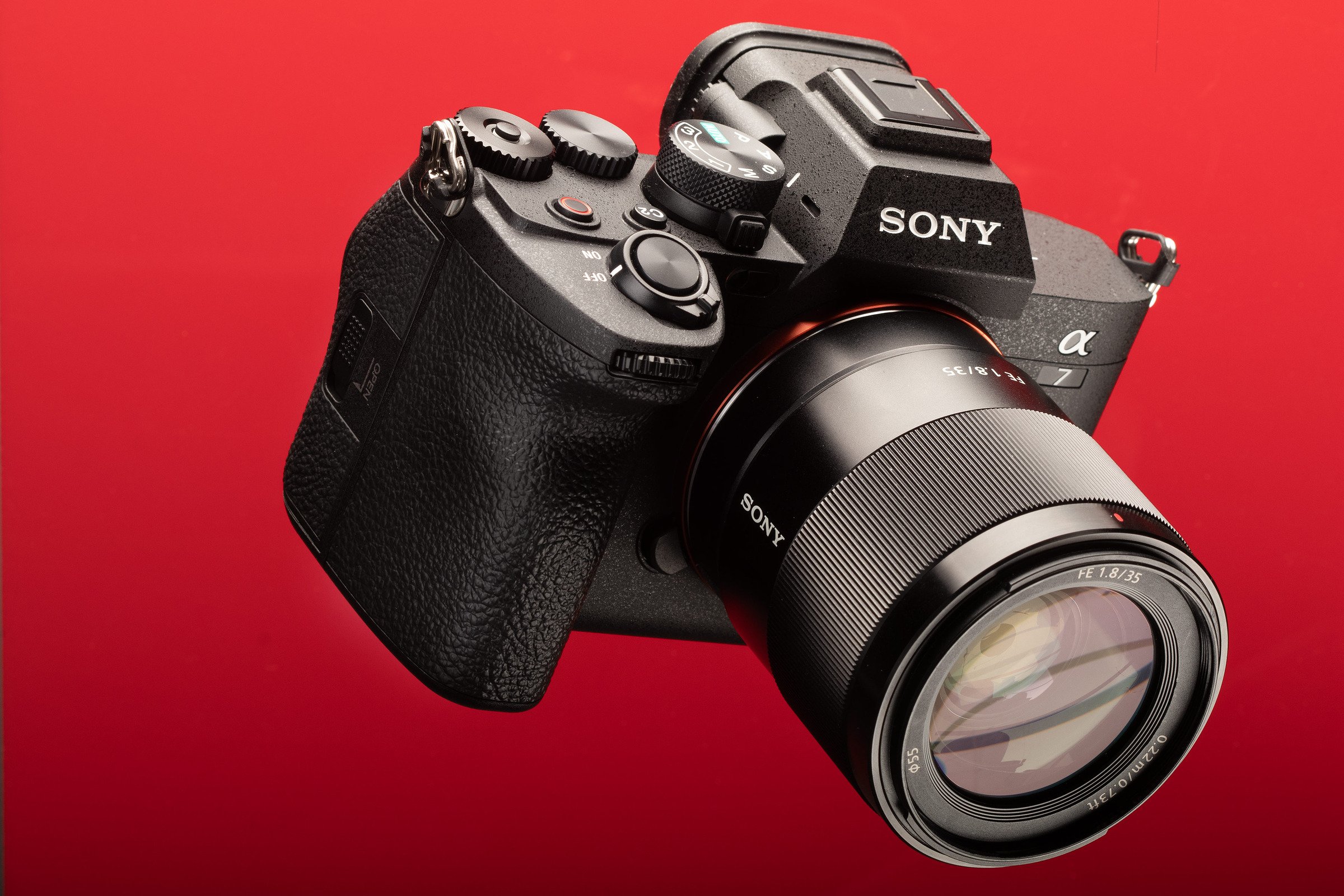

The Sony A7 IV and A9 II are two of Sony's flagship full-frame mirrorless cameras that cater to different types of photographers and videographers. The A7 IV, released in 2021, is aimed at enthusiasts and professionals seeking a versatile hybrid solution, while the A9 II, launched in 2019, targets sports and action photographers who require unmatched speed and reliable autofocus performance. Choosing between these two models often comes down to specific needs such as resolution, burst shooting capability, and video performance, making them common contenders for buyers looking to invest in high-end gear.
Specifications Comparison
Detailed Comparison
Image Quality
The Sony A7 IV boasts a higher resolution with 33 megapixels compared to the 24-megapixel sensor in the A9 II. This means that for detail-conscious photographers, the A7 IV captures finer RGB detail, which can be crucial for large prints or cropping. Both cameras share the same ISO range, with both capable of expanding to an impressive 204800, ensuring excellent performance in low light. However, the A9 II's slightly lower resolution may perform better at ultra-high ISOs, given its simpler image processing demands.
The color rendition and dynamic range also play significant roles in image quality. The A7 IV, equipped with a more advanced BIONZ XR image processor, enhances its performance in these areas, especially in high-contrast scenes and post-processing flexibility. Both cameras are well-regarded for their image quality, but the richer detail of the A7 IV gives it an edge for users who prioritize resolution in their work.
Autofocus System
Both cameras feature advanced autofocus systems, but they have different strengths. The A7 IV has 759 autofocus points, while the A9 II has 693 points, providing a highly accurate and fast focusing experience. The A9 II's autofocus is tailored to servo tracking, making it superior for fast-paced action scenarios, giving it an advantage in sports photography.
Moreover, the A9 II features a faster focus acquisition, claiming to lock onto subjects quicker due to its optimized algorithms. In practical use, sports photographers often find that the A9 II's performance shines during high-speed bursts, while the A7 IV's autofocus capabilities perform admirably in various settings, making it more versatile overall. Thus, while the A9 II leads in action-focused scenarios, the A7 IV's robust performance appeals to a broader audience.
Video Capabilities
When it comes to video, the A7 IV stands out decisively with its ability to record 4K at 60p, enabling smoother motion capture and more cinematic flexibility. The A9 II is limited to 4K 30p, which is excellent for many applications but may fall short for users looking to maximize frame rates.
The A7 IV also includes advanced video features such as 10-bit 4:2:2 internal recording, offering greater color depth and post-production flexibility. This makes the A7 IV a strong contender for content creators who require high-quality video capabilities alongside still photography. Conversely, the A9 II is favored in scenarios where speed is paramount, but in video applications, the A7 IV clearly excels in versatility and quality.
Build & Ergonomics
Both cameras are built with professional-grade durability, featuring weather sealing, but their ergonomics differ slightly. The A9 II is marginally heavier at 678 grams versus the 659 grams of the A7 IV, which may be noticeable during prolonged shooting sessions. However, both cameras are designed with comfort in mind, housing grip-friendly controls and responsive touchscreens.
In terms of display, the A9 II's screen has higher resolution at 1,440,000 dots compared to the A7 IV's 1,036,800 dots, providing sharper images for reviewing compositions. While the A9 II might appeal to those who appreciate a sharper view, both have the same size screen and are very competent in terms of user experience, giving no clear winner on build quality but catering to slightly different tastes.
Battery & Storage
When comparing battery life, the A9 II performs better, offering about 690 shots on a single charge versus the A7 IV's 580 shots. This makes the A9 II a better choice for extended shooting sessions, especially in scenarios where swapping batteries frequently can disrupt workflow.
Both cameras utilize Sony's E-mount, allowing for access to a robust ecosystem of lenses, but they accept similar storage types with dual slots for added flexibility. In terms of storage, both cameras feature two card slots capable of mirroring or overflow capabilities, providing ample space for high-resolution images and videos. However, the A9 II's superior battery performance edges it ahead.
Value for Money
In terms of pricing, the Sony A7 IV is listed at $2499, significantly lower than the A9 II's $4500 price tag. For the price, the A7 IV offers an impressive balance of high-resolution stills, robust video capabilities, and a substantial number of features appealing to a wide range of users. Additionally, its flexibility for both photography and videography makes it a great value for creatives who need all-around performance.
The A9 II, while considerably more expensive, delivers unparalleled speed and performance, particularly in sports and wildlife photography. For dedicated pros who prioritize speed and continuous shooting rate, the higher price may be justified. Nonetheless, for most users, the A7 IV represents excellent value, particularly for those not exclusively requiring the A9 II's unique advantages.
Our Verdict
Overall, the Sony A7 IV emerges as the winner of this comparison due to its versatility, comprehensive feature set, and excellent value for money. With superior video capabilities and a higher resolution sensor, it caters to a broad audience of photographers and videographers alike. On the other hand, the A9 II remains a strong contender for those specifically needing rapid-fire shooting and robust autofocus for action photography. While both cameras have their respective strengths, the A7 IV excels in a wider range of scenarios, making it the better choice for most buyers.
Sony A7 IV
Sony A9 II
Also Compare
Frequently Asked Questions
Is the Sony A7 IV better for videography than the Sony A9 II?
Yes, the Sony A7 IV offers 4K 60p recording capabilities and higher bit-depth video, making it a better choice for videographers seeking versatility in their footage.
Which camera is better for fast-paced action photography?
The Sony A9 II is designed specifically for fast-paced action thanks to its higher frames per second and superior autofocus tracking capabilities.
How do the autofocus systems compare?
While both systems provide robust autofocus performance, the A9 II's system is optimized for action and servo tracking, making it preferable in fast-moving situations, while the A7 IV is more versatile overall.
Is the lower megapixel count of the A9 II a disadvantage?
Not necessarily. The A9 II's 24 megapixels can still produce excellent image quality, particularly in fast-paced scenarios, but the A7 IV offers more detail for large prints and cropping.
Are both cameras suitable for professional use?
Yes, both the A7 IV and A9 II are professional-grade cameras, but they cater to different types of photographers, with the A7 IV being more versatile and the A9 II being more specialized for action photography.