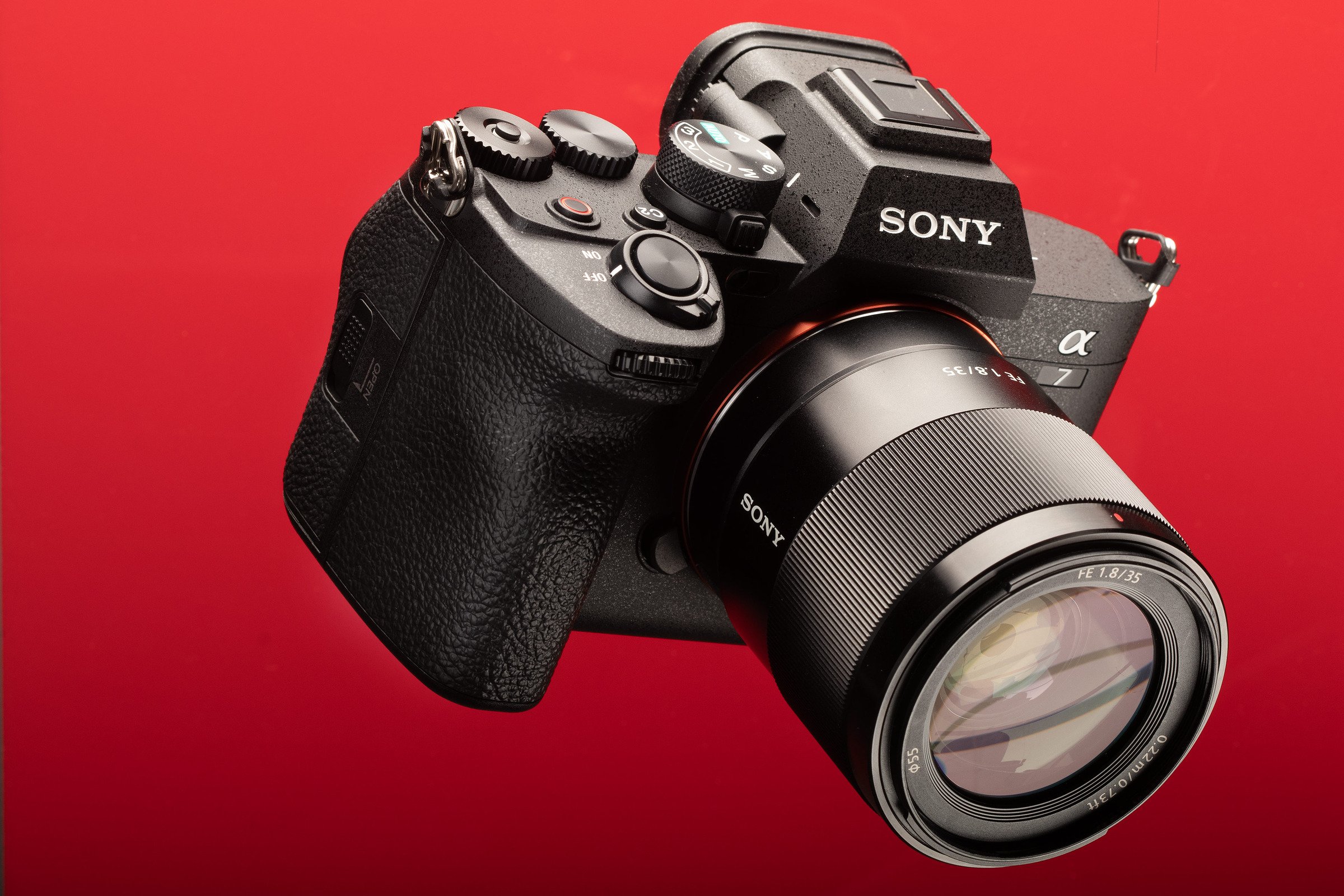
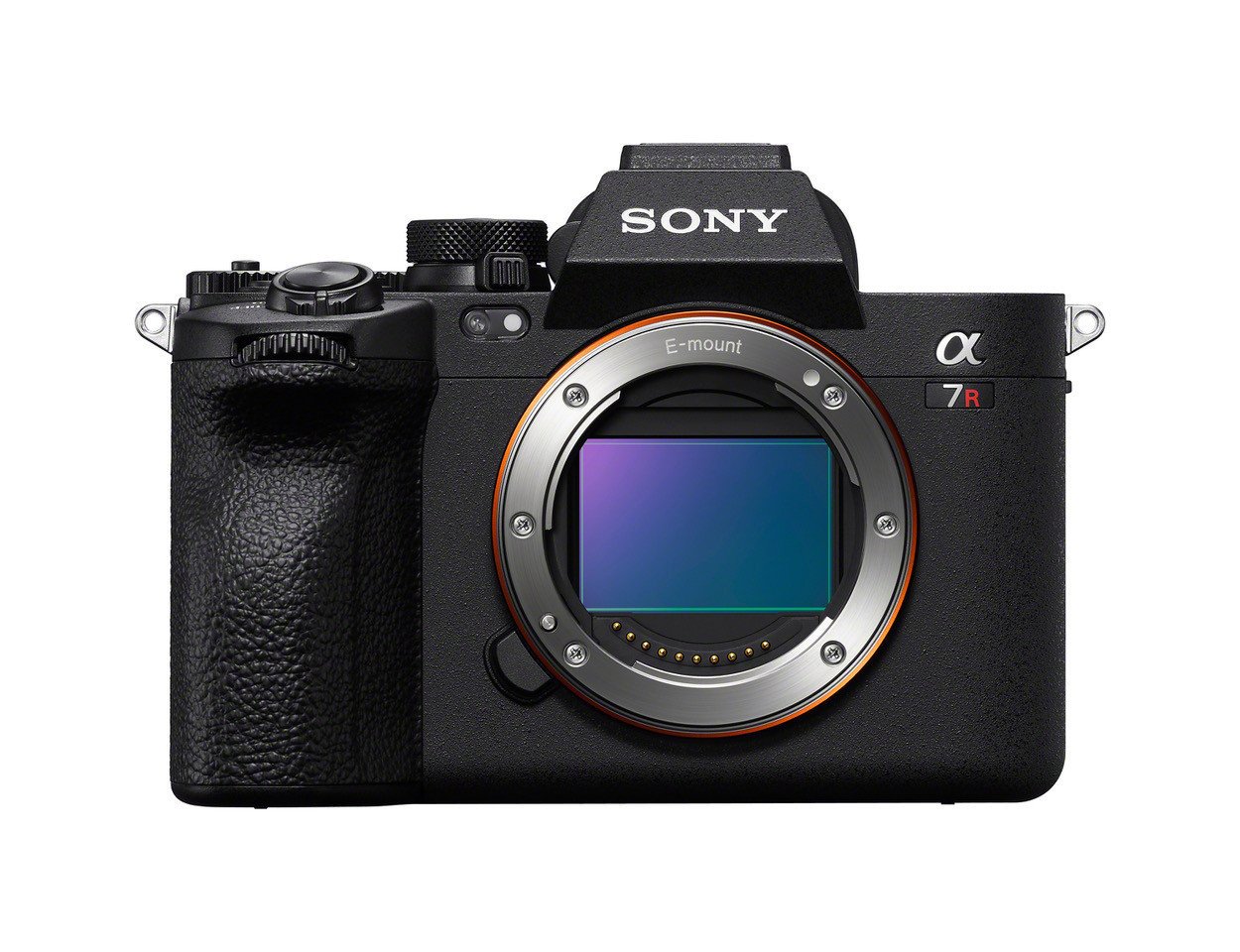
The Sony A7 IV and A7R V are two flagship mirrorless cameras from Sony, both designed for different types of photographers and videographers. The A7 IV is a versatile full-frame camera well-suited for hybrid shooters who require a balanced blend of stills and video capabilities. On the other hand, the A7R V caters to resolution-demanding professionals, particularly in landscape and portrait photography, offering stunning image quality with its impressive megapixel count. Many buyers will find themselves caught in the decision between these two models based on their specific needs, budget constraints, and preferences for features like resolution, autofocus, or video performance.
Key differentiators include the sensor resolution, where the A7R V's 60 megapixels shine, compared to the A7 IV's more modest 33 megapixels. Moreover, the A7R V offers superior stabilization, while the A7 IV features a more competitive price point, making these cameras focal points for either high-resolution creativity or cost-effective versatility.
Specifications Comparison
Detailed Comparison
Image Quality
The Sony A7R V excels with its 60-megapixel sensor, providing unparalleled detail suitable for large prints and extensive cropping. This high resolution is particularly advantageous for landscape photographers and studio work where capturing detailed textures and fine elements is crucial. The A7 IV, with its 33-megapixel sensor, offers excellent image quality as well, and while it may lack the extreme detail of the A7R V, it still delivers sharp and vibrant images, catering well to hybrid shooters.
Both models perform admirably in low-light situations, but the A7 IV has a broader ISO range that extends from 50 to 204800, allowing for more flexibility in challenging lighting. The A7R V, while slightly limited in native ISO range (100-32000), still maintains impressive low-light performance and dynamic range, fitting its intended high-res use cases.
The overall color science from Sony remains consistent across both models, but the greater pixel density in the A7R V allows for finer gradations in color and tonal range, which is key for professional work. Thus, when considering pure image quality and detail, the A7R V clearly has the advantage.
Autofocus System
Both the A7 IV and A7R V possess advanced autofocus systems, employing a hybrid AF system with numerous phase-detection points to ensure quick and precise focus. The A7R V features 693 autofocus points, compared to the A7 IV's 759 points, yet the A7 IV's coverage and tracking capabilities are highly capable, especially for action photography. Both cameras support real-time Eye AF for humans and animals, which is essential for portrait and wildlife photography.
The A7R V improves upon autofocus performance with enhanced AI-based subject detection, making it particularly effective in tracking moving subjects and achieving focus even in challenging conditions. Moreover, the faster processing power in the A7R V can lead to quicker focus acquisition under critical shooting scenarios.
While both cameras offer solid autofocus capabilities, the A7R V's advanced autofocusing features give it a slight edge, particularly for demanding situations where adaptability and speed are essential.
Video Capabilities
Both the A7 IV and A7R V support 4K video recording up to 60p, catering nicely to videographers. However, the A7 IV is particularly designed with hybrid usage in mind, incorporating features such as 10-bit 4:2:0 internal recording and support for S-Cinetone color profiles, which greatly enhance the video production capabilities. Its handling of dynamic range and color grading integration makes it a preferred choice for many content creators.
The A7R V, while also capable of producing exceptional video quality, is primarily focused on stills and may not provide as comprehensive video-centric features as the A7 IV. Though it possesses some excellent video options, videographers should evaluate their preferences based on the decisive nature of advanced video specifications.
Both cameras perform well for video, but the A7 IV takes a slight lead due to its focus on hybrid functions and additional video-friendly features, providing an emphasis on practicality for those who need a solid 4K performance without compromising on still image quality.
Build & Ergonomics
In terms of build quality, both the A7 IV and A7R V carry a solid, weather-sealed construction, ensuring durability for outdoor use in various conditions. Their design aesthetics are similar, infused with an ergonomic layout that benefits both casual and professional use. The A7 IV weighs 659 grams, whereas the A7R V is slightly heavier at 723 grams, which can affect portability, especially for prolonged handheld shooting.
The A7R V features a larger screen measuring 3.2 inches with a high resolution of 2,100,000 dots, enhancing usability and clarity when checking compositions or reviewing images. The A7 IV's 3-inch screen with 1,036,800 dots remains competent yet doesn't match the level of detail and responsiveness of the A7R V's display.
While both cameras are well-designed, the A7R V's superior screen and slightly more robust construction improve its usability overall, even with an added weight penalty, appealing more to users who prioritize advanced usability in their photographic endeavors.
Battery & Storage
The A7 IV boasts a commendable battery life with approximately 580 shots per charge, giving it an edge for long shooting sessions. Meanwhile, the A7R V offers a slightly lower battery efficiency with around 530 shots. This difference might seem minor but can become impactful in prolonged shooting situations, especially in wildlife or event photography where recharging isn't feasible.
Both cameras use the same NP-FZ100 batteries, but in real-world scenarios, it's clear that those who frequently shoot larger volumes of images may lean towards the A7 IV for its extended endurance. When it comes to memory cards, both support CFexpress Type A and SD UHS-II cards, ensuring speedy data transfers and reliable performance.
Overall, for photographers who prioritize battery life, the A7 IV stands out, while the A7R V's substantial capabilities slightly compromise its endurance, making the former a solid choice for intensive shooting situations.
Value for Money
At a price point of $2,499, the Sony A7 IV offers a compelling value given its hybrid capabilities, performance, and feature set, making it an attractive option for both enthusiasts and professionals seeking balance without breaking the bank. Its lower price, coupled with excellent all-around performance, positions it well for those needing versatility at a reasonable investment.
In contrast, the A7R V, priced at $3,900, targets users who specifically require high-end resolution, advanced autofocus performance, and enhanced video features. Its cost reflects the premium on image quality and professional-grade functionalities, catering more to niche markets instead of general versatility.
Ultimately, while the A7R V offers superior performance for specialists, the A7 IV's pricing reflects exceptional value, appealing to a broader range of users who appreciate well-rounded features without an exorbitant expenditure.
Our Verdict
Although the Sony A7R V dominates in areas like image quality and autofocus, the A7 IV stands out as the overall champion, blending performance and value seamlessly. The A7 IV is particularly advantageous for hybrid shooters and enthusiasts who require strong performance in both stills and video while remaining budget-conscious. The A7R V is a powerful tool for niche professionals seeking high-resolution insight, but for those who want an all-around performer without excessive investment, the A7 IV is the clearer choice.
Sony A7 IV
Sony A7R V
Also Compare
Frequently Asked Questions
Is the A7R V worth the extra cost over the A7 IV?
If your primary focus is on maximum image resolution and advanced autofocus performance, the A7R V justifies its higher price. However, for general hybrid usage or event photography, the A7 IV provides exceptional value and versatility.
Which camera is better for video production?
The A7 IV is better suited for hybrid shooters engaged in video production due to its well-rounded video capabilities and user-friendly features, though the A7R V can also produce high-quality video content.
How significant is the weight difference between the two models?
The weight difference is about 64 grams, which may not seem considerable, but it can be felt during extended use. If portability is a priority, the A7 IV may be the more suitable option.
Can I use lenses interchangeably between these two models?
Yes, both the A7 IV and A7R V share the Sony E mount, allowing you to use any compatible lenses from the extensive Sony lens ecosystem on either camera.
Which camera is better for low-light photography?
While both cameras handle low-light situations well, the A7 IV's wider ISO range offers more flexibility. The A7R V performs adequately, but the lower max ISO range could limit extreme low-light performance compared to the A7 IV.