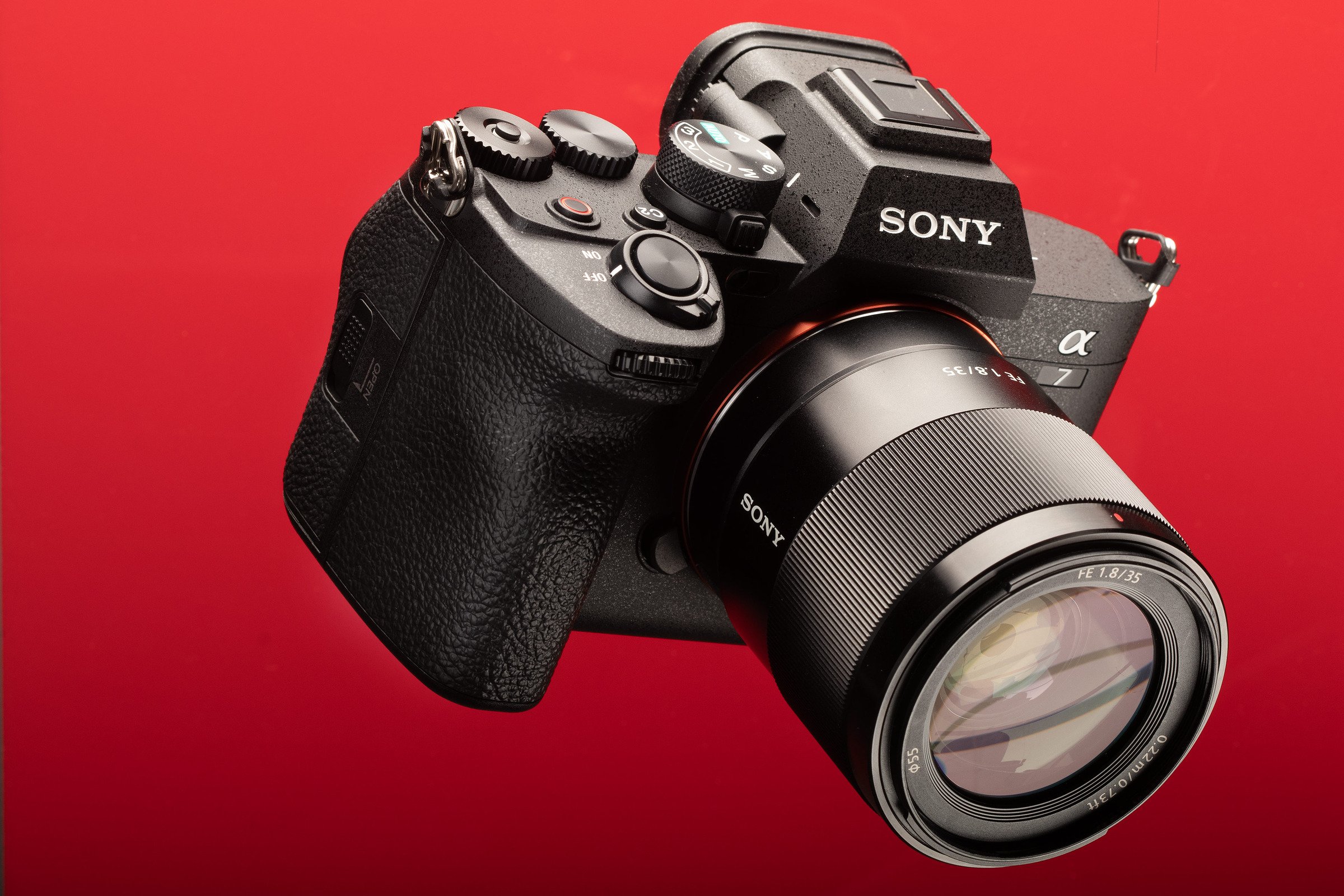
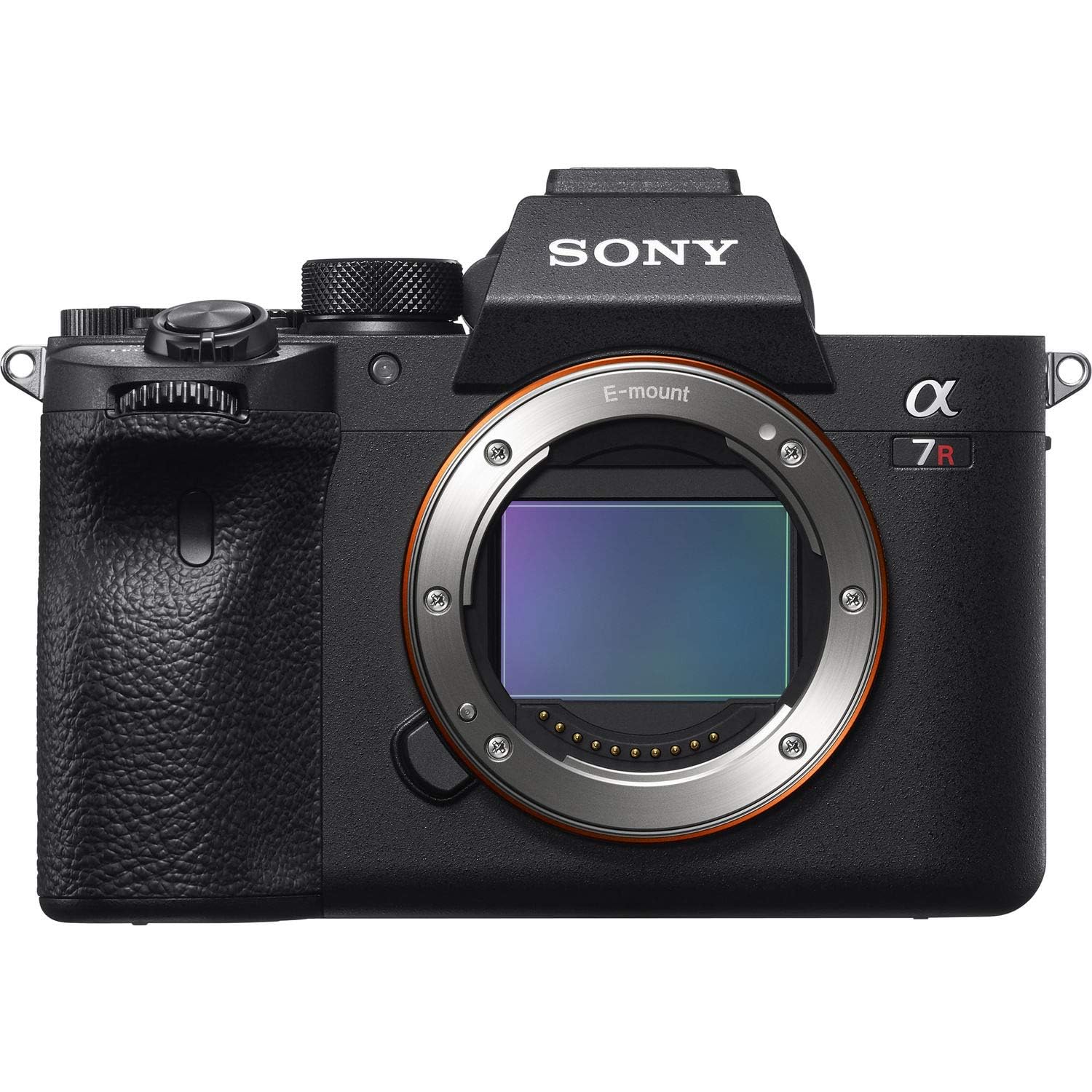
The Sony A7 IV and Sony A7R IV are both flagship models in Sony's popular Alpha series, appealing to professional photographers and serious enthusiasts. While they share numerous similarities, such as the Sony E mount and electronic viewfinders, their specifications target different needs, making them ripe for comparison. The A7 IV is geared towards versatility with a focus on a well-rounded imaging experience, while the A7R IV caters specifically to high-resolution demands, ideal for landscape, studio, and fine art photography.
Specifications Comparison
Detailed Comparison
Image Quality
When it comes to image quality, the A7R IV stands out with its impressive 61 megapixel resolution, significantly higher than the 33 megapixels offered by the A7 IV. This higher resolution enables greater detail capture and makes the A7R IV better suited for large prints or cropping without sacrificing quality. Furthermore, the A7R IV's 35.7 x 23.8 mm sensor offers a slight edge in terms of overall pixel arrangement.
However, the A7 IV's 33 megapixel sensor still produces excellent images with great dynamic range and color accuracy, and it offers a more versatile ISO performance range, pulling in between ISO 100-51200 compared to the A7R IV's ISO 100-32000, albeit the A7R IV does expand to 50-102800. This gives the A7 IV an edge in low-light situations where high ISO settings might be necessary.
In practical usage, while professionals might prefer the A7R IV for demanding projects, the A7 IV stands out in scenarios requiring a balance between resolution and usability, such as wedding photography or event coverage. Hence, in terms of versatility vs resolution, there's a strong case for both models, making it hard to declare an outright winner.
Autofocus System
The autofocus systems of both the A7 IV and A7R IV are highly sophisticated, but with slight differences in performance. The A7 IV boasts 759 autofocus points, providing exceptional coverage and accuracy, which contributes to its speed in tracking moving subjects. This makes it a fantastic choice for action photography, where swift and reliable autofocus is crucial.
On the other hand, the A7R IV has fewer autofocus points at 567, but it still maintains impressive autofocus performance, benefiting from Sony's highly ranked Real-Time Eye AF for humans and animals. While it may not match the A7 IV in numbers, the A7R IV compensates with fast and accurate focusing for static subjects or slower-moving ones.
In everyday use, the A7 IV often outperforms in scenarios like sports and wildlife photography, while the A7R IV remains an excellent choice for portraiture and studio work where ultra-precision is necessary. While both cameras excel, the A7 IV's autofocus versatility gives it the edge overall.
Video Capabilities
Video capabilities are becoming increasingly important in the camera market today, and both cameras offer impressive features, but they cater to slightly different needs. The A7 IV supports 4K video recording at 60p, allowing for more fluid and high-resolution video output, making it an excellent choice for content creators and enthusiasts who prioritize video quality alongside photos.
In contrast, the A7R IV is limited to 4K at 30p, which is still suitable for most applications but may fall short for users aiming for higher frame rates. Additionally, the A7 IV benefits from superior video compression options and 10-bit 422 output, enhancing video quality and post-processing flexibility.
Due to its higher frame rate and improved video features, the A7 IV takes the lead in this aspect, making it the better choice for videographers or those who require strong performance in both stills and video.
Build & Ergonomics
Both the A7 IV and A7R IV are designed with durability in mind, featuring robust weather-sealing that makes them suitable for various shooting conditions. However, in terms of weight, the A7 IV is slightly lighter at 659g compared to the A7R IV's 665g. Ergonomically, both cameras have similar dimensions and button layouts, providing a comfortable grip for extended shooting.
The A7R IV offers a slightly larger and higher-resolution screen, featuring 1,440,000 dots, compared to the 1,036,800 dots of the A7 IV. This can be an advantage when reviewing images or capturing fine details. Additionally, both cameras sport a high-quality electronic viewfinder, but the A7R IV might have the edge in clarity and resolution.
Overall, while both cameras are built to last, the small weight difference and superior screen resolution of the A7R IV may appeal to certain users; still, for many, the A7 IV's very similar build and slightly lower weight make it a competitive option.
Battery & Storage
Battery life is an essential consideration for photographers working long hours, and in this aspect, both models perform well, albeit with the A7R IV offering slightly longer battery life at 670 shots compared to the A7 IV's 580 shots. This could be significant for users who shoot extensively without the chance to recharge.
Storage compatibility is the same on both cameras, with dual card slots that support both SD UHS-II cards, ensuring speedy write times for high-resolution images. The A7 IV also employs a more advanced compression method allowing users to save space without sacrificing much in terms of image quality.
In conclusion, while the A7R IV holds a slight advantage in battery life, the overall functionality in storage options is comparable, making both cameras reliable choices for photographers on the go.
Value for Money
Pricing is a critical factor in decision-making between these two models, with the A7 IV priced at $2499 compared to the A7R IV's $3500. The A7 IV offers a balanced blend of features, making it an excellent value for an all-around camera, especially for those who might not require the extreme megapixel count.
While the A7R IV's added resolution and some premium features justify its higher price for dedicated landscape and portrait photographers, for general use, the A7 IV offers more flexibility at a more attractive price point. The cost to benefit ratio heavily favors the A7 IV without severely compromising on performance or quality.
Thus, for those on a budget or looking to maximize their investment, the A7 IV stands out as the more pragmatic choice, while the A7R IV serves as a tool for those with specialized needs.
Our Verdict
Ultimately, the Sony A7 IV takes the overall win by balancing quality, versatility, and value for money, making it the more practical option for the majority of photographers and videographers. It excels in dynamic scenarios like events, travel, and mixed media shooting. However, for those who require uncompromised resolution and can accommodate its higher price, the A7R IV remains a top choice for detail-oriented work, such as fine art or high-resolution landscapes.
Sony A7 IV
Sony A7R IV
Also Compare
Frequently Asked Questions
Is the Sony A7 II a better option for beginners?
If you're just starting out, the Sony A7 II may be more budget-friendly; however, the A7 IV offers advanced features that will help you grow as a photographer over time.
Which camera is better for low-light photography?
The A7 IV has a broader ISO range, allowing for better performance in low-light conditions compared to the A7R IV.
Can the A7R IV handle action photography?
Yes, while it's not specifically designed for action, the A7R IV is capable. However, users may find the A7 IV's autofocus system more efficient for fast-moving subjects.
How do these models perform for videography?
The A7 IV is exceptional for video with 4K 60p recording, while the A7R IV, at 4K 30p, may still suit many videographers but is less optimal for high frame-rate work.
Are both cameras compatible with E-mount lenses?
Yes, both the A7 IV and A7R IV use the Sony E-mount lens system, granting access to a wide variety of lenses catering to different photography styles.