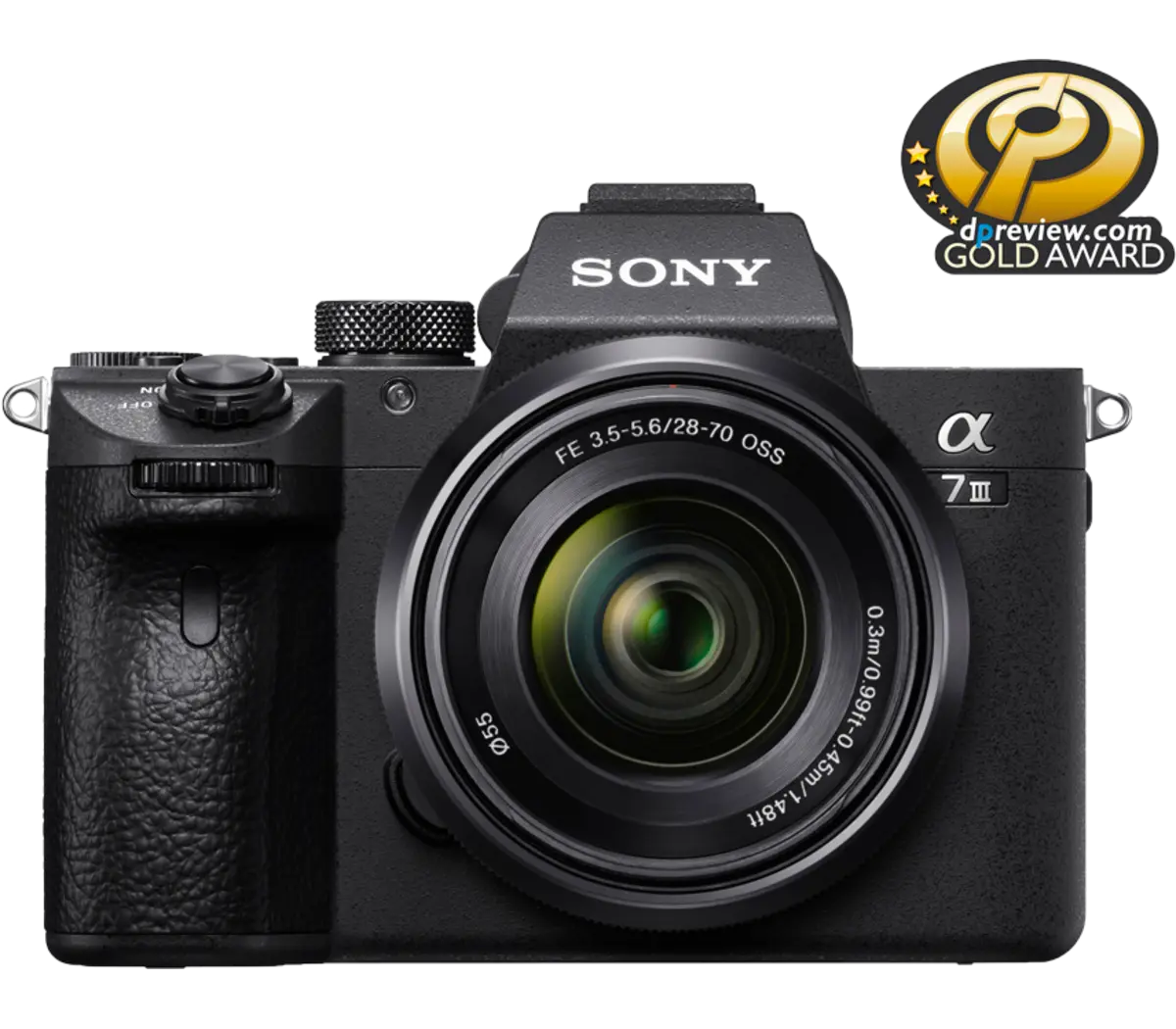

The Sony A7 III and A9 III are two highly sought-after full-frame mirrorless cameras that cater to different photography needs. The A7 III, released in 2018, is known for its balanced performance, excellent image quality, and value for money, making it a popular choice among enthusiasts and semi-professional photographers. In contrast, the A9 III, launched in 2023, targets professional sports and wildlife photographers with its impressive speed, enhanced autofocus, and advanced video capabilities. The key differentiators between these two models highlight their intended use cases: the A7 III strikes a balance between image quality and affordability, while the A9 III pushes the limits of performance and features for those who require the best in high-speed shooting and video capabilities.
Specifications Comparison
Detailed Comparison
Image Quality
Both the Sony A7 III and A9 III boast superb image quality due to their full-frame sensors. However, the A7 III features a resolution of 24 megapixels, while the A9 III offers a slightly higher resolution at 25 megapixels. In practical terms, this means that the differences in image quality are marginal and mostly unnoticeable to the typical user. The A7 III's sensor performs remarkably well in various lighting conditions, thanks to its wide ISO range of 100-51200, making it versatile for both bright and low-light environments. The A9 III, with its advanced processing capabilities, can also handle high ISO well, producing clean images even at the upper limits of its performance range. Overall, both cameras deliver outstanding image quality.
Autofocus System
When it comes to autofocus, the A9 III takes the lead. It features an impressive 693 phase-detection autofocus points that ensure lightning-fast focusing, especially useful for capturing fast-moving subjects such as sports or wildlife. The A9 III offers a maximum continuous shooting speed of 120 fps, making it ideal for action photography. In comparison, the A7 III only reaches 10 fps, which is sufficient for most scenarios but pales in comparison to the A9 III's capabilities. Additionally, the A9 III leverages improvements in AI-based subject tracking, further enhancing its autofocus performance in dynamic shooting situations. Therefore, for those prioritizing autofocus capabilities, the A9 III emerges as the clear choice.
Video Capabilities
The A9 III excels over the A7 III in video recording capabilities, offering 4K video at an impressive 120p compared to the A7 III's 4K 30p. This higher frame rate allows for smoother slow-motion video recordings, making it appealing for videographers seeking cinematic footage. Additionally, the A9 III features improved heat management, ensuring longer recording times without overheating. While the A7 III's 4K video quality is excellent and it has become a favorite among many content creators, the A9 III's advanced video specs cater to more professional needs and enhance its versatility as a flagship camera.
Build & Ergonomics
Both cameras offer robust build quality with weather sealing, making them suitable for various shooting environments. However, the Sony A9 III has slight advantages in ergonomics due to its slightly larger dimensions and improved grip, offering more comfort during extended shooting sessions. The A9 III also features a larger screen at 3.2 inches, providing increased usability for both reviewing images and navigating through menus. The A7 III's weight is a touch heavier at 650g compared to the A9 III's 617g, making the latter more ergonomic for prolonged use. Ultimately, both cameras feel solid and reliable, but the A9 III enhances comfort for professional use.
Battery & Storage
Battery performance is a key consideration for photographers, particularly during long shoots. The A7 III boasts an impressive battery life of about 710 shots per charge, which is beneficial for users who often shoot all day. In contrast, the A9 III maintains competitive battery performance but focuses more on high-speed performance capabilities. Furthermore, both cameras use Sony's E-mount, providing access to a comprehensive lens ecosystem, but users should note that the A9 III may benefit more from faster memory cards to utilize its maximum frame rate and video specifications. In this aspect, the A7 III takes a slight edge due to its longer battery life.
Value for Money
Price point is a significant factor for many buyers when choosing between the A7 III and the A9 III. The A7 III, priced at approximately $2000, is seen as a highly competitive option within its class, providing excellent image quality, good performance, and versatility. In contrast, the A9 III's price reflects its position as a flagship model, catering to professional users who can justify the higher cost due to its advanced features and performance. For casual or semi-professional photographers, the A7 III represents excellent value for money, while professionals invested in high-performance photography may see the A9 III as a worthwhile investment despite the higher price.
Our Verdict
While the Sony A7 III offers exceptional value for money, particularly for enthusiasts and semi-professionals, the A9 III ultimately prevails in this comparison due to its advanced autofocus system, superior video capabilities, and overall performance, making it the better choice for professional photographers and serious videographers. Each camera excels in its respective niche, with the A7 III being more friendly for budget-conscious buyers seeking versatility and the A9 III catering to high-demand situations that require speed and precision.