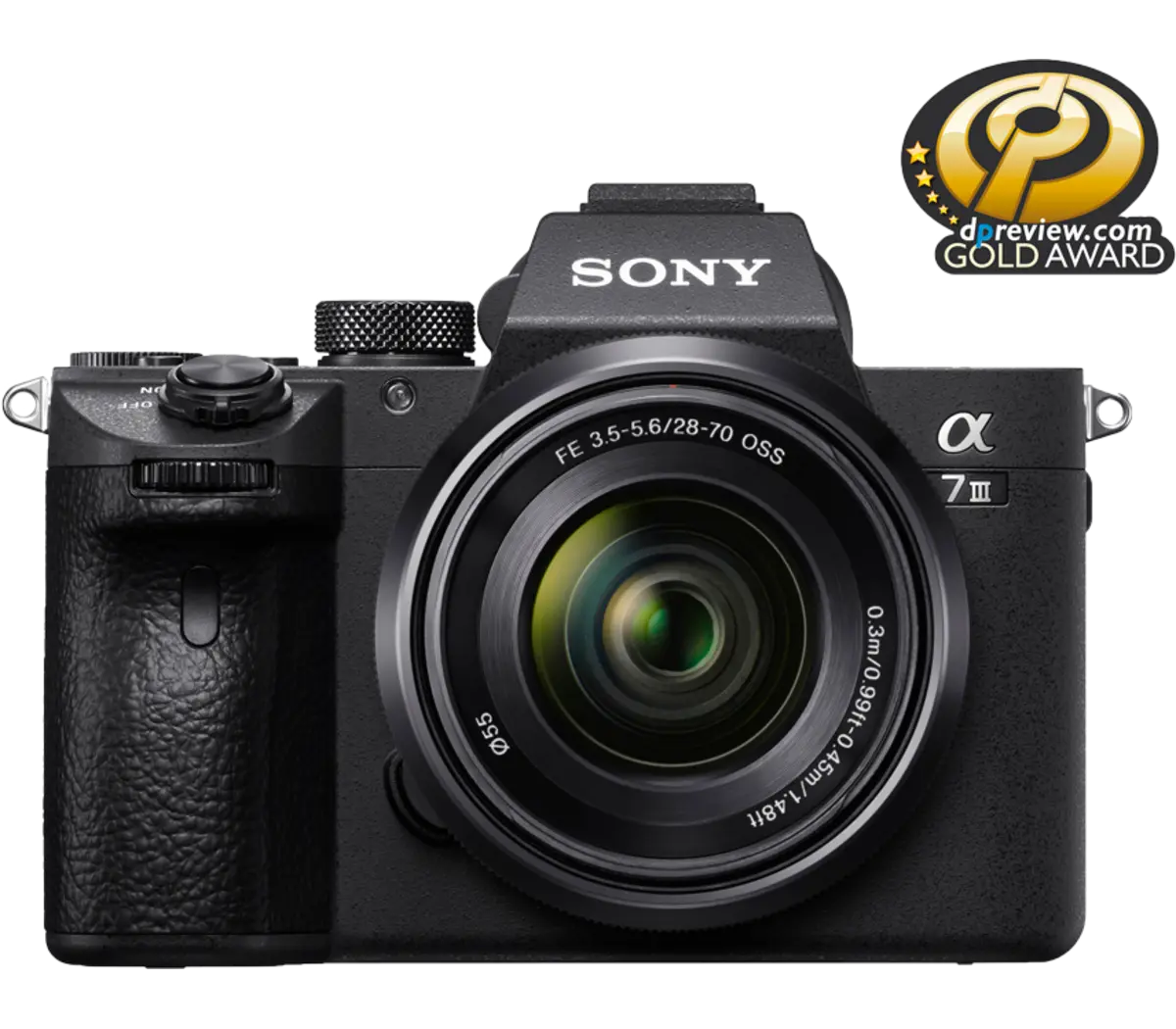

The Sony A7 III and A7S III are two of the most sought-after full-frame mirrorless cameras in Sony's extensive lineup, each targeted towards different types of photographers and videographers. While both models share a similar aesthetic and are built upon Sony's advanced imaging technology, they cater to distinct needs, particularly in terms of image quality, low-light performance, and video capabilities. The A7 III is often favored by general photographers and enthusiasts for its balanced specifications, while the A7S III is a favorite among videographers and content creators who demand higher frame rates and enhanced video features.
When comparing these two cameras, the key differentiators become evident: the A7 III boasts a higher megapixel count and longer battery life, making it a versatile option for still photography and everyday shooting situations, while the A7S III excels in low-light conditions and high-frame-rate video recording, appealing to those who specialize in cinematic content creation. Therefore, the choice between these two models largely depends on the users' primary intentions-whether they prioritize still images, video quality, or a balanced approach to hybrid shooting.
Specifications Comparison
Detailed Comparison
Image Quality
The image quality of a camera is fundamentally linked to its sensor performance and megapixel count. The Sony A7 III features a 24-megapixel sensor, which provides a greater resolution and is capable of capturing more detail in still images. This higher resolution is particularly advantageous for landscape photographers or those looking to make large prints. The dynamic range of the A7 III is impressive, allowing users to capture detailed highlights and shadows.
In contrast, the A7S III has a 12-megapixel sensor, which may seem limiting at first glance, but this is designed for exceptional low-light performance and high ISO capabilities. With an ISO range that expands to 409,600, the A7S III can capture usable images in extremely low-light conditions where the A7 III might struggle. This makes the A7S III a better choice for night photography or shooting in dim environments.
Ultimately, while both cameras can produce stunning images, the winner in pure image quality for stills goes to the A7 III thanks to its higher resolution and versatility, especially in good lighting conditions.
Autofocus System
Autofocus performance is crucial for both stills and video, and both the A7 III and A7S III utilize Sony's advanced autofocus technology. The A7 III is equipped with 693 phase-detection autofocus points, which cover a large portion of the frame, enabling fast and accurate focusing even in challenging conditions. This is particularly useful for capturing moving subjects, making the A7 III an excellent choice for sports and wildlife photography.
The A7S III takes autofocus to a new level with 759 autofocus points, providing even more coverage and accuracy across the frame. It also incorporates Real-time Eye autofocus technology, which is beneficial for portrait photographers and videographers working with subjects, as it ensures consistent focus on the eyes. This added precision is invaluable for content creators focused on video work as well, where maintaining focus is critical.
While both cameras offer exceptional autofocus capabilities, the A7S III's superior system provides an edge, especially in continuous focusing scenarios, making it the preferred choice for videographers and active subject photography.
Video Capabilities
When it comes to videography, the differences between the two cameras are stark. The A7 III records 4K video up to 30 frames per second, which is sufficient for many casual filmmakers and content creators. It offers a decent range of video recording options and features, along with good in-body stabilization to help achieve smoother shots.
However, the A7S III is purpose-built for video. It supports 4K video recording at an impressive 120 frames per second, which opens up creative possibilities for slow-motion footage. Additionally, the camera can record 10-bit 4:2:2 video, providing a higher color depth and better post-production flexibility. The A7S III also features excellent heat management, allowing for extended recording times without overheating-an essential feature for professionals.
In terms of video capabilities, the A7S III is the clear winner, elevating it as a choice for serious filmmakers who require advanced features and flexibility in their projects.
Build & Ergonomics
Both cameras are designed with a robust weather-sealed body, making them suitable for various shooting environments. The A7 III, with dimensions of 127 x 96 x 74 mm and a weight of 650 grams, feels compact and light, ideal for travel and everyday use. Its grip design is comfortable for extended shooting sessions, which is a notable plus for photographers.
The A7S III, while slightly larger at 129 x 97 x 81 mm and weighing 699 grams, provides a more pronounced grip and a refined layout for better handling, especially when shooting video. The camera features a fully articulating touchscreen, which is a significant advantage for vlogging and creative filming angles. This flexibility in design enhances shootability for video creators, allowing for intuitive adjustment during filming.
Overall, while both models have superior build quality and ergonomics, the A7S III edges out slightly with its larger body design and features aimed specifically for video creators.
Battery & Storage
Battery life is a critical factor for many photographers and videographers. The A7 III has a longer battery life, rated for approximately 710 shots, which is advantageous for extended shooting without the need for frequent recharging. This makes it appealing to those who may spend hours on shoots without access to power.
In contrast, the A7S III offers a battery life of around 600 shots. While this is still respectable, it means videographers or hybrid shooters may need to carry extra batteries to ensure they don't run out of power during critical moments. Both cameras utilize Sony's NP-FZ100 battery, which provides solid performance in general, but the A7 III does offer more shots per charge.
In terms of battery life, the A7 III pulls ahead, providing users with a more extended period of operation in the field without interruptions, making it a better option for still photographers who prioritize longevity.
Value for Money
Price is often a decisive factor when choosing a camera, and there's a significant difference between the A7 III and A7S III. The A7 III retails at approximately $2000, offering an excellent price-to-performance ratio for those seeking a capable full-frame camera for both photography and video content at a lower cost. Its range of features satisfies a broad spectrum of users, from enthusiasts to professionals looking for reliable performance.
On the other hand, the A7S III comes with a higher price tag of around $3499. This premium comes from its advanced video capabilities and superior low-light performance, targeting serious filmmakers and content creators who require specialized features. For those who will leverage the A7S III's strengths, the price may justify the investment.
In this scenario, the A7 III stands out as the model providing better overall value, especially for users who do not require the high-end video specifications of the A7S III but still want a solid full-frame camera.
Our Verdict
In conclusion, while the Sony A7 III wins in categories of image quality, battery life, and value for money, the A7S III is the superior choice for videographers with its advanced video capabilities and autofocus performance. For general photographers or those who require a versatile hybrid camera that excels in stills, the A7 III emerges as the better option. However, for professionals focusing on video production and content creation, the A7S III justifies its higher price with features that elevate it above its counterpart.