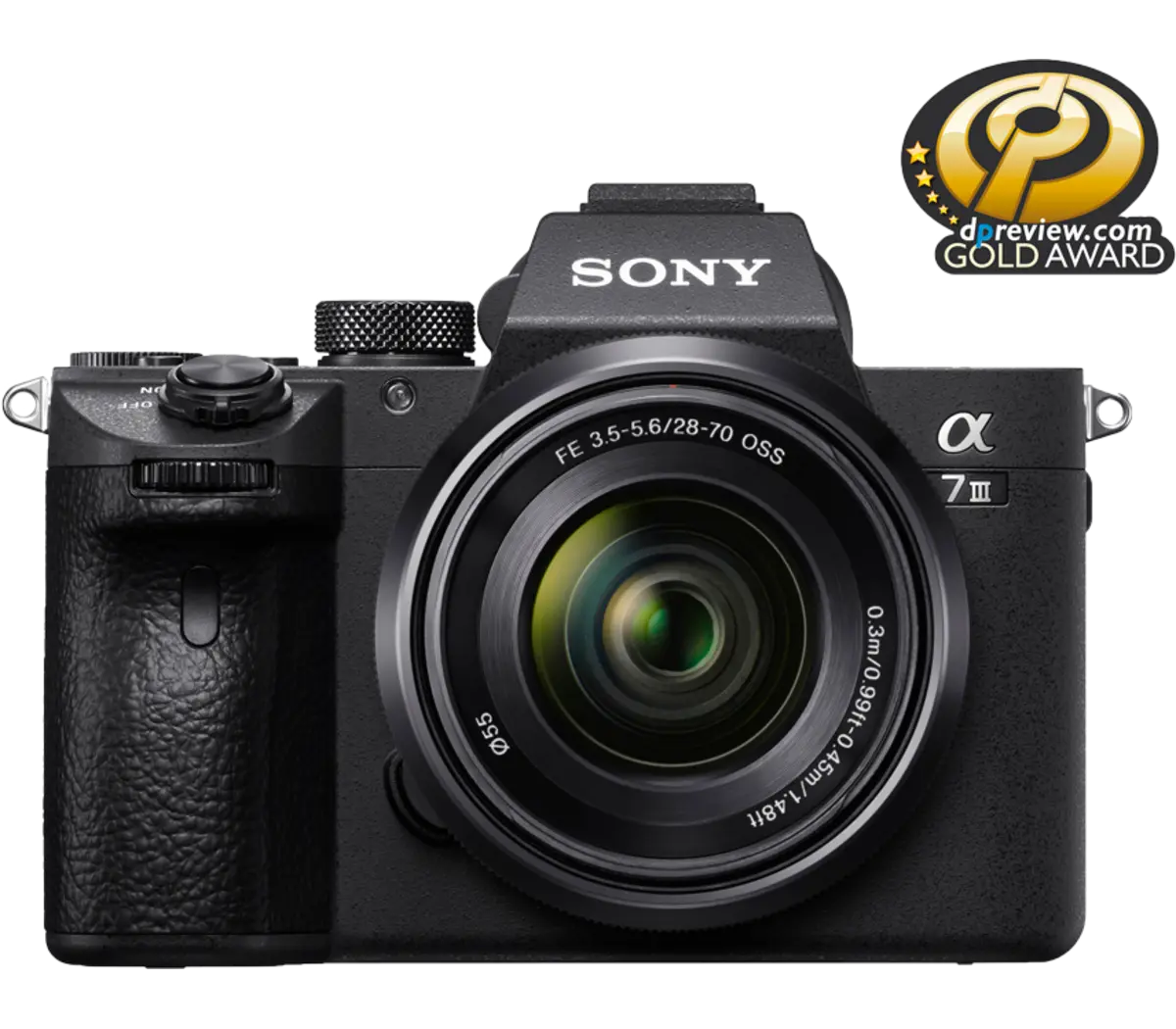
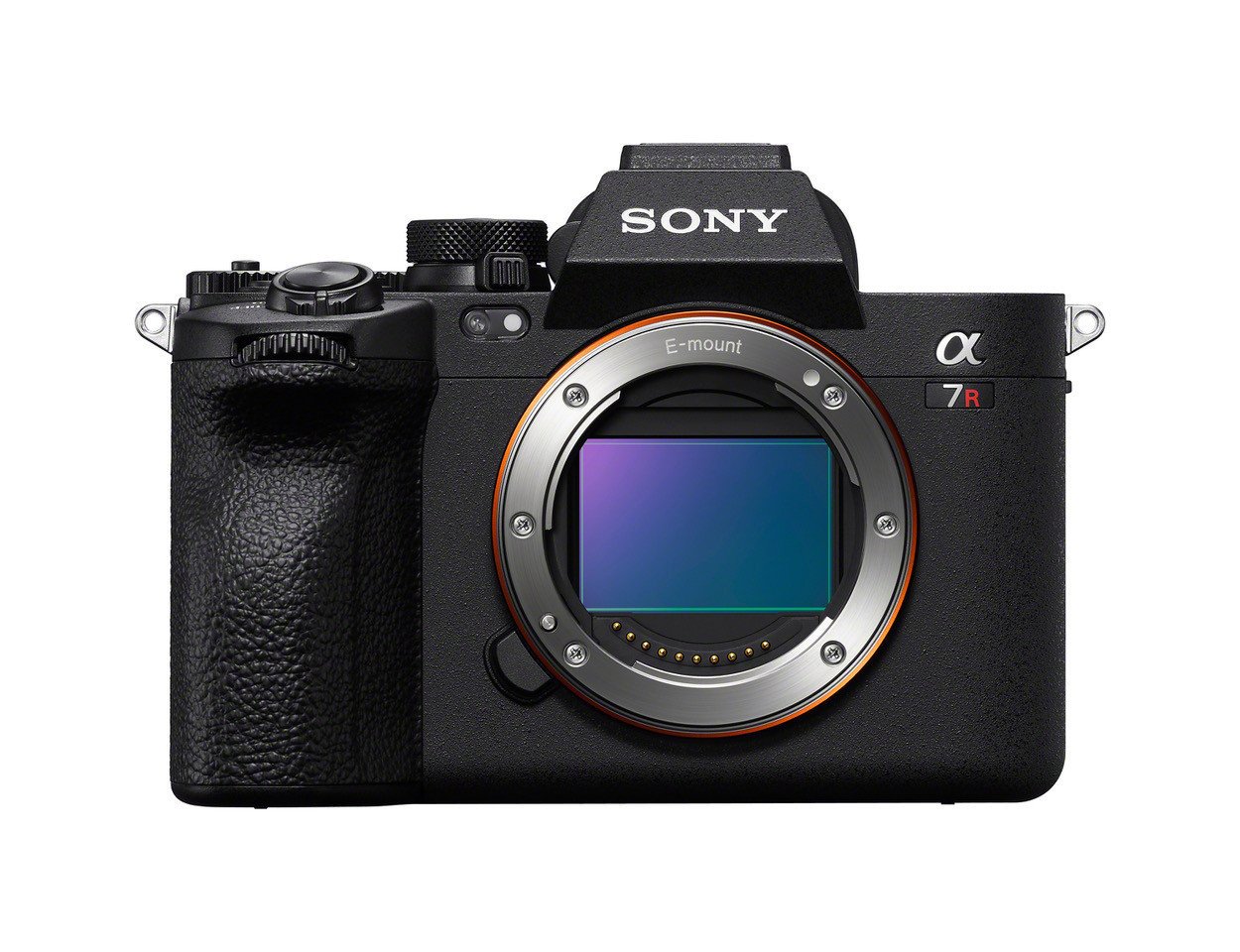
The Sony A7 III and Sony A7R V are two heavily discussed full-frame mirrorless cameras from Sony that cater to different types of photographers. The A7 III, launched in 2018, has established itself as a versatile camera suitable for both professionals and enthusiasts, offering impressive specifications at a more accessible price point. On the other hand, the A7R V, introduced in 2022, is positioned for enthusiasts who prioritize high-resolution imaging and advanced features, appealing particularly to landscape and portrait photographers. This comparison highlights key differentiators, allowing potential buyers to determine which model aligns with their specific photographic needs and budget constraints.
Specifications Comparison
Detailed Comparison
Image Quality
The A7R V excels in image quality with its 60-megapixel sensor, allowing for incredible detail and the ability to crop significantly without sacrificing sharpness. This high resolution makes it an outstanding choice for professional work requiring large prints or extensive detail, such as wildlife and landscape photography. In contrast, the A7 III, with its 24-megapixel sensor, still offers impressive image quality, capable of producing vibrant images with excellent dynamic range and color accuracy, making it more than adequate for general photography, family portraits, and events. However, it may not reach the same level of detail as the A7R V when large file sizes and higher resolution are critical. Both cameras feature a full-frame sensor, but the A7R V leads due to its higher resolution capability. Nevertheless, for many photographers, the A7 III's considerable image quality is sufficient and may even be preferable for those who prioritize speed and file size management. In the realm of image quality, the clear winner is the A7R V due to its superior resolution capabilities, making it a better option for fine art and commercial photography applications.
Autofocus System
Both the A7 III and A7R V feature a robust autofocus system with 693 phase detection points, ensuring precise and quick focusing in a variety of shooting conditions. While the autofocus performance is commendable in both models, the A7R V incorporates more advanced subject tracking capabilities and improved AI-driven autofocus features, which can be particularly beneficial for capturing fast-moving subjects and ensuring accuracy in critical moments. This addition makes it a more suitable choice for photographers working with dynamic scenes or in situations where precise focus is essential. Although both models have competitive autofocus systems, the enhanced real-time tracking and Eye AF improvements on the A7R V give it an edge in difficult shooting conditions. For casual photographers or those shooting slower subjects, the A7 III's autofocus capabilities are still exceptional and could serve them well. In summary, while both cameras excel in autofocus, the A7R V's superior AI enhancements make it the winner in this category, catering better to demanding autofocus needs.
Video Capabilities
When comparing video capabilities, the A7R V takes a notable lead with its support for 4K video at up to 60p, enabling smoother motion for videographers and providing more versatility for professional video applications. In contrast, the A7 III is limited to 4K video at 30p, which, while still effective for many users, may not meet the needs of those aiming for higher frame rates for a more cinematic feel. Additionally, the A7R V features improved video processing and advanced compression settings that help maintain higher quality in detail, even in challenging light conditions. However, the A7 III does offer good video functionality that is perfectly suitable for content creators who may not need the higher frame rates and resolutions provided by the A7R V. Both cameras feature excellent stabilization, but the A7R V's extended stabilization system further enhances its video performance. In terms of video capabilities, the A7R V emerges victorious, particularly for professional users who require advanced features and higher frame rates.
Build & Ergonomics
Both cameras are weather-sealed, ensuring durability in adverse conditions, and designed with ergonomics in mind, providing comfortable handling during prolonged shooting sessions. However, the A7R V is slightly larger and heavier at 723 grams compared to the A7 III's 650 grams, which may affect portability for some users, especially those planning long outdoor shoots. The A7R V also includes a larger 3.2-inch screen with 2,100,000 dots, providing greater clarity and additional control for photographers who highly value live view functionality and menu navigation. While both cameras offer robust build quality, the slight advantages of the A7R V in screen resolution and size make it a bit more user-friendly for certain tasks, while the A7 III's lighter weight can be more appealing for travel and handheld use. In this category, the A7R V edges ahead for its improved screen quality, but for many everyday users, both designs are quite effective.
Battery & Storage
In terms of battery life, the A7 III has a significant advantage, providing up to 710 shots per charge compared to the A7R V's 530 shots. This ability to last longer on a single charge is crucial for photographers who may be out in the field for extended periods without the opportunity to recharge. Both cameras utilize the same battery type and have dual card slots, but the A7 R V's higher-resolution files do consume storage faster, which can be a factor for those working with high-capacity memory cards. While the storage capabilities are comparable in terms of card slots, practical workflow may favor the A7 III when considering battery longevity and storage efficiency due to its lower-resolution files. Photographers shooting primarily stills may appreciate the longevity of the A7 III, while those shooting video or in need of the highest image quality may find the A7R V's demands counteracted by its superior performance. In this section, the A7 III takes the lead due to its remarkable battery life, making it ideal for long shoots.
Value for Money
When it comes to value for money, the A7 III stands out significantly due to its price point of $2000 compared to the A7R V's $3900. The A7 III provides a well-rounded package suitable for many photographers, achieving excellent performance across various use cases without breaking the bank. It delivers professional-level features such as impressive autofocus, solid build quality, and good image quality, making it a compelling option for both amateur and professional users. Conversely, the A7R V, while commanding a higher price, serves a niche market that effectively leverages its high-resolution sensor and advanced features. This model is a clear choice for photographers who demand the best image quality and are willing to invest significantly to achieve their vision. Evaluating straightforward value for money, the A7 III clearly wins as it offers outstanding features and performance at a significantly lower price point, making it accessible to a wider audience.
Our Verdict
Overall, the Sony A7 III emerges as the winner in this comparison due to its excellent balance of price to performance, particularly for photographers who prioritize extensive battery life and value for money. It is versatile enough for a range of photographic styles and applications, making it ideal for enthusiasts and professionals who do not require ultra-high resolution. Conversely, the Sony A7R V, while superior in image quality and autofocus capabilities, appeals to professionals seeking more advanced features for specific tasks such as high-resolution projects or video work, justifying its higher price tag. For those who need the absolute best and can afford the premium, the A7R V excels, but for most users, the A7 III represents the best overall choice.
Sony A7 III
Sony A7R V
Also Compare
Frequently Asked Questions
Which camera is better for landscape photography?
The Sony A7R V, with its 60-megapixel sensor, offers higher resolution, making it ideal for landscape photographers who require extensive detail in their images, especially for large prints.
Is the battery life of the A7 III significantly better?
Yes, the A7 III has a battery life of up to 710 shots per charge, while the A7R V offers around 530 shots. This means the A7 III is more suited for photographers who take long shoots without frequent charging.
Can the A7 III shoot 4K video?
Yes, the A7 III can shoot 4K video, but it is limited to 30p. For higher frame rates and more advanced video capabilities, the A7R V is preferred.
What are the primary differences in autofocus?
Both cameras have 693 autofocus points, but the A7R V provides superior subject tracking and AI-driven features, improving focus accuracy in dynamic situations.
Is the weight difference significant between the two cameras?
The A7 III is lighter at 650g compared to 723g for the A7R V. This difference may be noticeable for those carrying the cameras for extended periods.