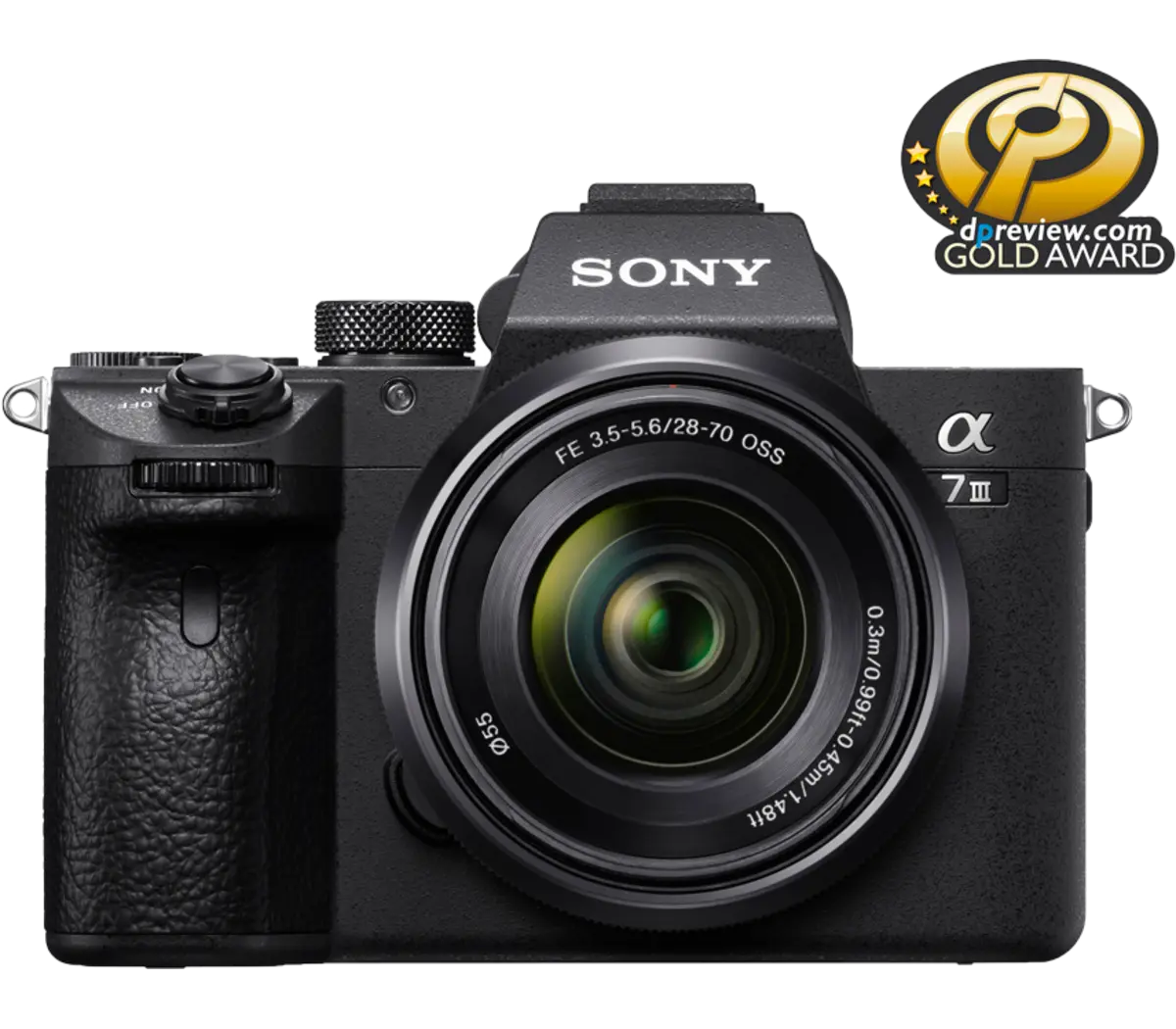
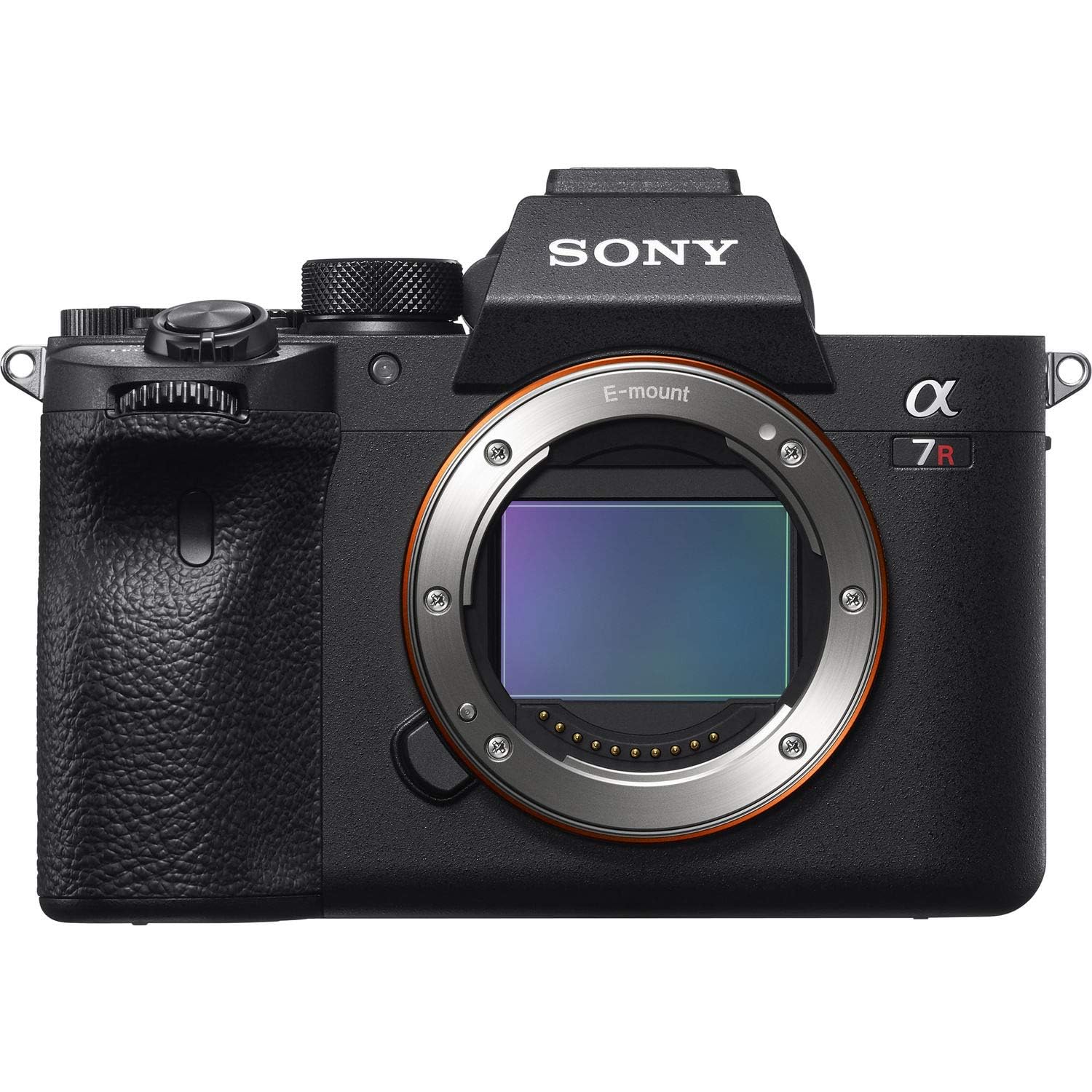
The Sony A7 III and Sony A7R IV are two of the most heralded full-frame mirrorless cameras in Sony's lineup, each appealing to different types of photographers. The A7 III is known for its versatility and excellent all-around performance, making it a popular choice among enthusiasts and professionals seeking a reliable workhorse. Conversely, the A7R IV appeals to high-resolution seekers, boasting an impressive 61 megapixels, making it ideal for landscape, portrait, and commercial photographers who prioritize image detail. This makes these two models a common consideration for anyone looking to enter Sony's full-frame ecosystem or upgrade their current tools.
A key differentiator between the two models lies in their intended application: the A7 III excels in fast-paced environments with its fast autofocus and balanced performance, while the A7R IV shines in scenarios where image fidelity is paramount, thanks to its higher resolution and expanded dynamic range capabilities. Knowing what kind of photography one does most often can significantly help in making the right choice between the A7 III and the A7R IV.
Specifications Comparison
Detailed Comparison
Image Quality
In terms of image quality, the A7R IV takes the lead owing to its 61-megapixel sensor that delivers stunning detail and allows for greater crop flexibility. This higher resolution creates sharper images that benefit landscape and studio photographers needing intricate details. The expanded ISO range of the A7R IV, which extends from 50 to 102,800, further enhances its performance in low-light situations, making it more adaptable.
On the other hand, the A7 III features a 24-megapixel sensor that still offers great image quality but falls short in comparison to the A7R IV. While it has a more limited ISO range (100-51,200), the image noise performance is commendable, particularly at moderate ISO settings. Many general photographers will find the images from the A7 III sufficient for everyday use, considering the lower file sizes for easier storage and faster workflows.
Ultimately, for photographers whose work involves large prints or heavy cropping, the A7R IV is superior, but for most casual to semi-professional shooters, the A7 III's image quality is highly satisfactory.
Given these points, the winner in this category is the A7R IV.
Autofocus System
The autofocus systems in both cameras are impressive, but they differ in their implementation and numbers. The A7 III boasts 693 phase-detection points, which contribute to the camera's rapid and highly reliable focus acquisition, making it highly effective for action shots and fast-paced photography such as wedding and sports photography.
In contrast, the A7R IV employs 567 phase-detection points, which is fewer than the A7 III. However, it also has sophisticated real-time tracking and Eye AF capabilities that have advanced significantly in terms of accuracy, especially for portrait photographers or those shooting wildlife.
While the A7 III is noticeably quicker in finding focus, both systems are solid for their primary purposes. The A7R IV, while slightly less robust in point count, compensates with remarkable tracking performance. Thus, for dynamic shooting scenarios, the A7 III is the clear victor, whereas, for static subjects, both perform remarkably well, giving a slight edge to the A7R IV.
In this category, the A7 III wins due to its superior autofocus speed and performance in action scenarios.
Video Capabilities
Both cameras offer 4K video recording at 30 frames per second, making them suitable for videographers looking to create high-quality content. The A7 III has established itself as a reliable video camera with its good low-light performance and overall versatility in video recording. It allows for full pixel readout without pixel binning when shooting in 4K, resulting in high-quality video with great detail.
On the other hand, the A7R IV features similar video specs but brings enhanced options, such as additional frame rates using Super 35mm cropping, which is appreciated by more advanced videographers. Although both cameras perform well, the A7R IV retains an edge with its higher resolution, making it more suitable for 4K output with details that enhance post-production cropping or stabilizing measures.
Both models also include in-body stabilization, but the A7R IV offers an extra half-stop, which can be beneficial for handheld shooting in challenging environments. Though the differences in video capabilities may appear subtle, they can influence a videographer's choice depending on their specific needs.
Build & Ergonomics
When it comes to build quality and ergonomics, both the A7 III and A7R IV are robust and weather-sealed, designed to withstand professional use. They both feature electronic viewfinders and tilting LCD screens with similar dimensions. However, the A7R IV presents slight enhancements in ergonomics, such as improved button layout and overall grip, which many users find more comfortable during extended use.
Despite being marginally heavier, the extra weight of the A7R IV contributes to a more stable handling experience, especially with larger lenses attached. The button customization on both models is excellent, allowing photographers to tailor the camera to their preferences, including the addition of a customizable joystick on both models which aids in navigating AF points quickly.
While both cameras provide a professional feel, the minor differences in design and handling give the A7R IV a slight advantage in user comfort during extensive shooting sessions. Therefore, for professional photographers who spend hours shooting, the ergonomic benefits of the A7R IV make it a worthwhile consideration.
Battery & Storage
The battery life is another worthwhile consideration when comparing the two models. The A7 III leads with a rated battery life of approximately 710 shots, while the A7R IV is rated for 670 shots under similar conditions. Though both cameras effectively manage power consumption, the A7 III's marginally better battery performance may be a deciding factor for photographers who require longevity in the field without constant recharges.
In terms of storage, both models utilize dual SD card slots, allowing photographers to extend storage capacity significantly. They both support UHS-II speeds, beneficial for those shooting high-resolution files and 4K videos, ensuring quick write times.
Ultimately, while battery life slightly favors the A7 III, both cameras offer solid storage options, making this a less critical point of differentiation. In this competition, however, the A7 III wins for its superior battery performance in prolonged use.
Value for Money
When it comes to value for money, the A7 III is a clear winner, priced at around $2,000, it presents a compelling offering with excellent image quality, autofocus, and video capabilities. This has made it a favorite among entry-level to mid-level enthusiasts and professional photographers who require a versatile camera without spending beyond their means.
In comparison, the A7R IV comes with a premium price tag of approximately $3,500, justified by its specialist features and the 61-megapixel sensor aimed at professionals focused on high-resolution work. While it does offer premium capabilities, the jump in cost might not be appealing to the more generalist photographers, particularly those who may not need such high detail in their images.
Thus, while both cameras are fantastic in their respective domains, the A7 III offers a better value proposition for wider user categories, while the A7R IV caters to a more niche market that can leverage its high-resolution capabilities.
Our Verdict
Overall, the Sony A7 III emerges as the winner in this comparison, particularly for photographers seeking versatility, value, and robust performance across various applications. It offers excellent image quality, superior autofocus speed, and great battery life, making it suitable for a variety of shooting situations. Meanwhile, the A7R IV excels in specialized scenarios requiring high resolution and advanced video capabilities but at a substantially higher price. Photographers focused on landscapes, portraits, or fine art may prefer the A7R IV for its outstanding detail. Ultimately, your choice should depend on your specific photographic needs and budget.
Sony A7 III
Sony A7R IV
Also Compare
Frequently Asked Questions
Which camera is better for low-light photography?
Both cameras perform well in low light, but the A7R IV offers an expanded ISO range that can be beneficial for low-light situations, making it slightly better suited for these conditions.
Can the A7 III shoot in 4K?
Yes, the A7 III is capable of 4K video recording at 30 frames per second, providing excellent quality for video pursuits.
Is the A7R IV worth the extra money?
If you require high resolution for large prints or extensive cropping, the A7R IV may justify its higher price. However, for general use, the A7 III offers great performance at a lower cost.
What is the weight difference between the two cameras?
The A7 III weighs 650 grams, while the A7R IV weighs slightly more at 665 grams, which is minimal but may affect handling over long periods.
Do both cameras have weather sealing?
Yes, both the A7 III and A7R IV feature a weather-sealed body designed to withstand challenging shooting conditions.