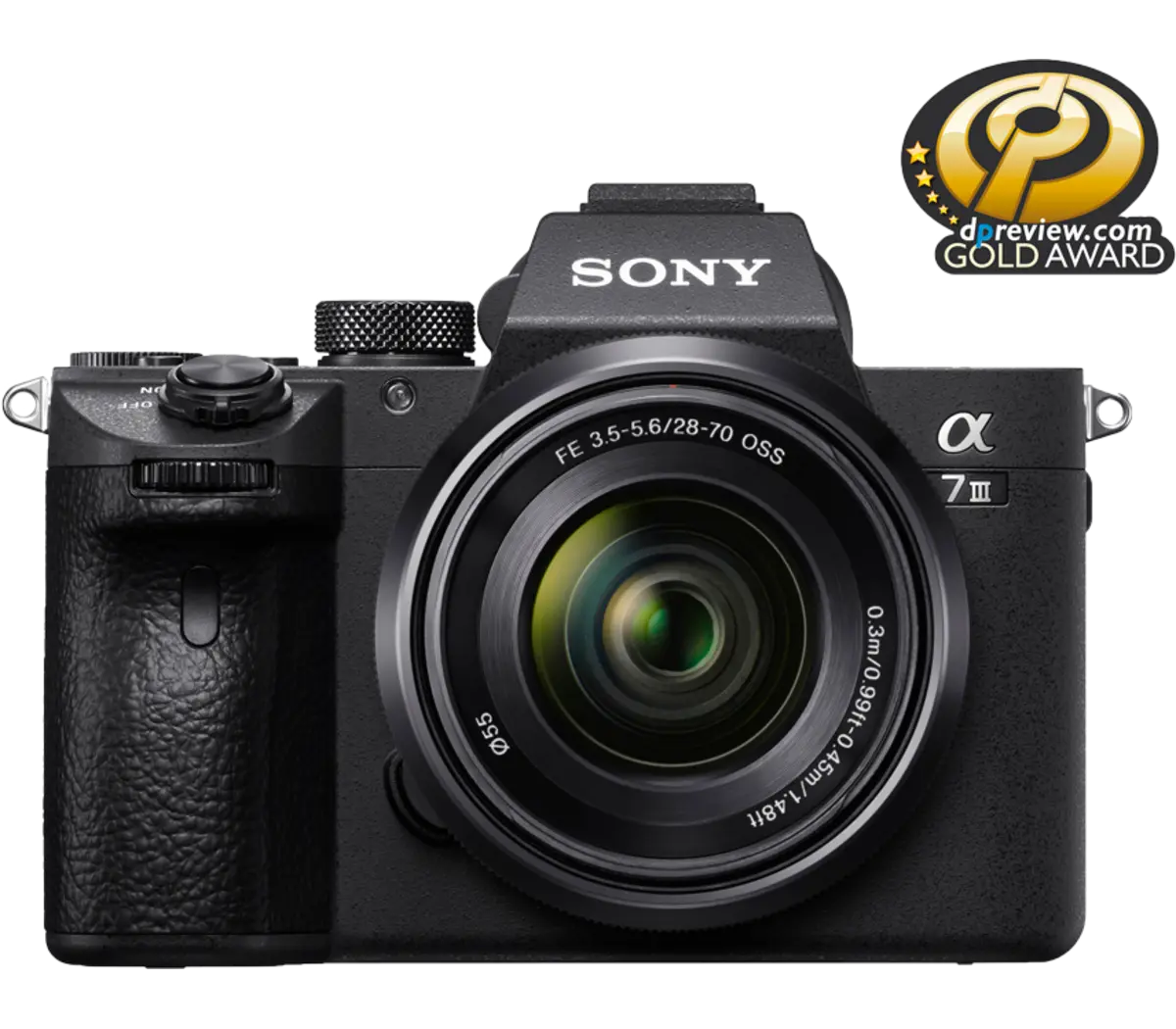
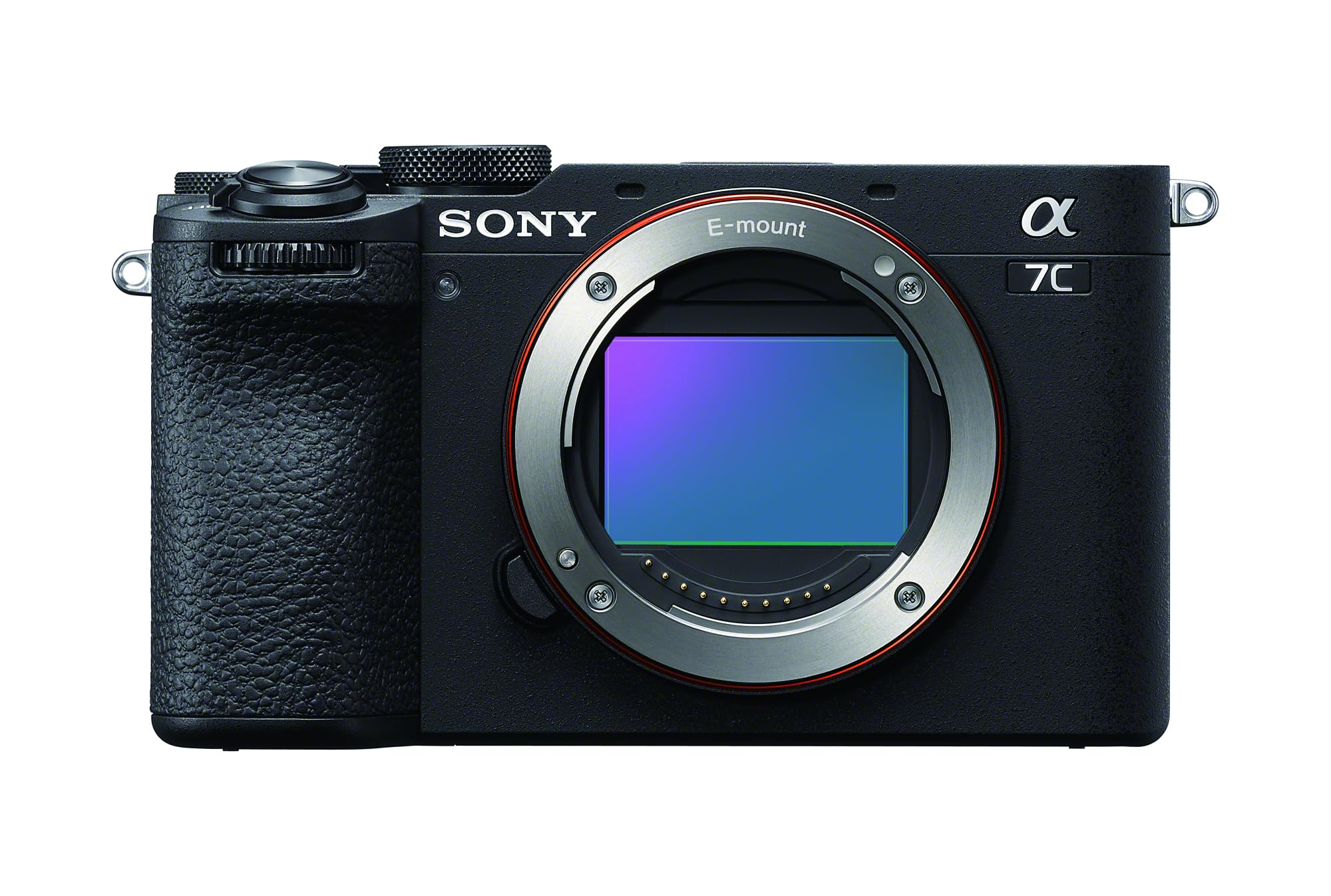
The Sony A7 III and the Sony A7C II are both part of Sony's acclaimed Alpha series of full-frame mirrorless cameras. They are widely compared due to their similar target audiences, which include photographers and videographers looking for high-quality performance in a compact form factor. Users might find themselves choosing between these models based on specific needs such as portability, resolution, video capabilities, and budget. The A7 III is a well-established option with proven reliability, while the A7C II is a newer entrant that promises enhanced features and improved specifications.
Specifications Comparison
Detailed Comparison
Image Quality
Both the Sony A7 III and A7C II utilize full-frame sensors that deliver stunning image quality. However, the A7C II boasts a higher resolution of 33 megapixels compared to the A7 III's 24 megapixels, which allows for more detailed images and greater cropping flexibility. The ISO ranges for both models are identical up to 51200, but the A7C II expands down to ISO 50 and up to 204800, making it potentially better in extremely low-light situations.
In terms of dynamic range and color reproduction, both cameras perform admirably. However, the higher megapixel sensor of the A7C II could provide a slight edge for landscape and studio photographers who need the utmost detail and resolution. Users who frequently print large format images or work in high-resolution environments will appreciate the additional headroom provided by the A7C II.
That said, casual photographers may find that the excellent image quality of the A7 III is more than sufficient for their needs. Its lower megapixel count can also result in smaller file sizes, which may be a consideration for those who prioritize storage and processing speed over the highest resolutions. Ultimately, both cameras deliver excellent results, but the A7C II is likely the winner here for those who prioritize image resolution.
Autofocus System
The autofocus systems of both the A7 III and A7C II are highly impressive, featuring advanced technology that caters to a variety of shooting scenarios. The A7 III comes with 693 phase detection and 425 contrast detection points, while the A7C II enhances this with 759 phase detection points. This increase in autofocus points may provide improved focusing accuracy and efficiency, especially in challenging lighting conditions or when tracking moving subjects.
Moreover, both models incorporate Real-Time Eye Autofocus for humans and animals, which is particularly beneficial for portrait photographers and wildlife shooters. The A7C II's newer processing algorithms may contribute to improved subject tracking, especially in video, further enhancing its capability for action-oriented shooting.
In practical terms, both systems are capable of exceptional performance during typical use. However, the enhanced autofocus capabilities of the A7C II give it a slight advantage for demanding tasks that require fast and precise focusing. Thus, while both cameras provide robust autofocus systems, the A7C II edges out due to its higher number of autofocus points and updated tracking algorithms.
Video Capabilities
When it comes to video performance, the A7C II significantly outshines the A7 III. The A7 III is limited to recording 4K video at 30p, which is suitable for general videography but may not meet the demands of more professional projects. In contrast, the A7C II improves upon this by offering 4K video recording at up to 60p, which is ideal for cinematic effects and smoother motion.
Additionally, the A7C II supports advanced video features such as 10-bit 4:2:2 internal recording, which allows for improved color grading in post-production. This is a substantial benefit for video creators who prioritize flexibility in editing. The A7 III does offer good video features as well, including S-Log and HLG profiles, but its lack of higher frame rate options limits some creative possibilities.
With a growing demand for high-quality video content, especially among content creators, the A7C II's specifications make it a more compelling choice for videographers. As such, if video capabilities are crucial to your projects, the A7C II is indeed the better option.
Build & Ergonomics
In terms of build quality, both the Sony A7 III and A7C II feature robust weather-sealed bodies, making them suitable for various shooting conditions. However, the A7 III weighs 650 grams, while the A7C II is significantly lighter at 514 grams, which can be a major factor for those seeking portability in their equipment.
The dimensions of the A7C II are smaller, which enhances its portability further, while still retaining a comfortable grip and ergonomic layout. However, some users report that the A7 III feels more solid and offers a better grip, especially for prolonged use or when mounted with larger lenses.
The A7C II's compact size makes it an excellent choice for travel and street photography, where discretion and light weight are prioritized. Conversely, the A7 III's ergonomic design may be more suitable for users who prefer a more substantial camera that offers better stability for long sessions. Ultimately, while both models exhibit commendable build quality, the A7C II is preferred for travel enthusiasts.
Battery & Storage
The Sony A7 III boasts impressive battery performance, with a rated battery life of approximately 710 shots. This advantage makes it an appealing option for those who shoot extensively, as it allows for longer shooting sessions without needing to constantly change batteries. It could work better for event photographers or users who find themselves on location away from power sources.
In contrast, the A7C II offers a lower battery life of around 540 shots. This difference may be a crucial consideration for those who shoot for longer periods, as the need for extra batteries would become necessary with the A7C II. Both cameras utilize Sony's NP-FZ100 battery, contributing to some continuity in terms of charging accessories.
While both models offer similar storage options with dual card slots, the greater battery capacity of the A7 III could potentially make it more practical for intensive use. Therefore, for users who prioritize battery endurance during long shoots, the A7 III takes the lead.
Value for Money
Price-wise, the A7 III retails for around $2000, while the A7C II commands a higher price of approximately $2200. For potential buyers, this difference might seem marginal, but it reflects the advancements found in the A7C II, particularly concerning its enhanced image sensor, autofocus performance, and superior video capabilities.
For someone whose primary focus is photography and who may not require the latest video features, the A7 III offers tremendous value with its proven performance, especially given its lower price and excellent battery life. Conversely, for users who prioritize modern specs and maximum capability, the A7C II provides compelling advancements and robustness that could justify the higher investment.
Ultimately, for general enthusiasts and hobbyists, the A7 III presents a better value proposition, as it encompasses excellent performance at a more accessible price point. The A7C II may be more appealing to professionals or those whose needs align with its enhanced features, leading to a more tailored investment.
Our Verdict
In this comprehensive comparison, the Sony A7C II emerges as the overall winner, thanks to its superior resolution, enhanced autofocus system, and advanced video capabilities. While the Sony A7 III still holds its ground with outstanding battery life and value for photography-focused users, the A7C II's modern upgrades make it a more versatile tool for both photography and videography. Therefore, a seasoned content creator who requires up-to-date technology and greater shooting flexibility would benefit most from choosing the A7C II, while more casual photographers or those concerned with budget may find the A7 III an excellent and less expensive option.
Sony A7 III
Sony A7C II
Also Compare
Frequently Asked Questions
Which camera is better for video?
The Sony A7C II is better for video due to its ability to record 4K at 60p and 10-bit internal recording, making it ideal for filmmakers.
Is the A7 III still a good choice in 2023?
Yes, the Sony A7 III remains an excellent choice, offering solid performance, great image quality, and long battery life for photographers.
How do the autofocus systems compare?
The A7C II features more autofocus points and improved tracking, making it slightly better for fast-action photography compared to the A7 III.
What are the size differences between the two models?
The A7C II is smaller and lighter than the A7 III, making it a better option for those prioritizing portability and travel.
Which camera has better battery life?
The A7 III has superior battery life, rated at approximately 710 shots, compared to the A7C II's 540 shots.