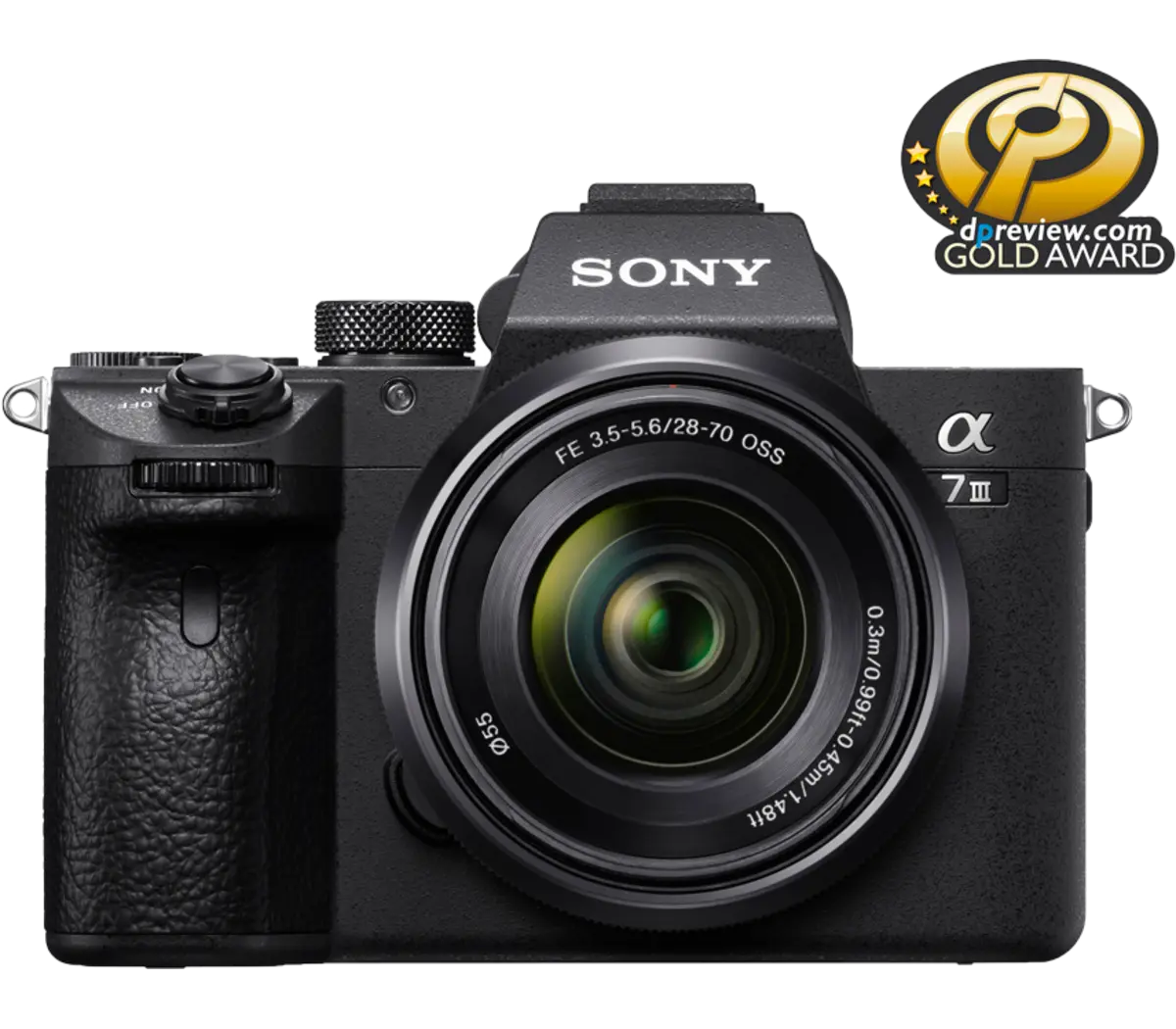
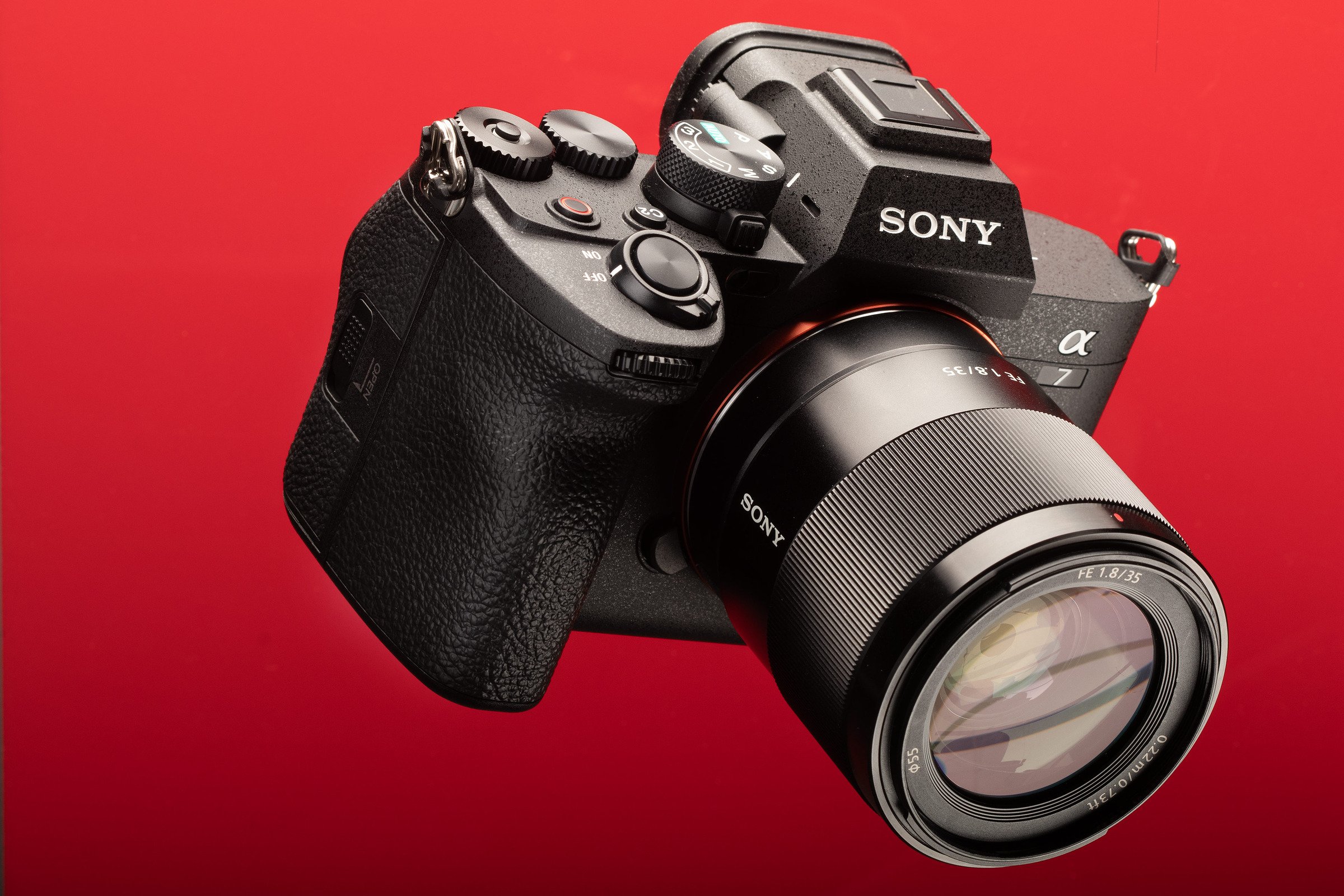
The Sony A7 III and Sony A7 IV are two versatile full-frame mirrorless cameras that cater to both enthusiasts and professionals alike. The A7 III, released in 2018, established itself as a well-rounded performer with a solid feature set, while the A7 IV, released in 2021, builds upon its predecessor with significant upgrades. Buyers often find themselves choosing between these two models due to their similarities in design and feature set, yet they also present distinct advantages that cater to different photography and videography needs.
Specifications Comparison
Detailed Comparison
Image Quality
The image quality between the two models stands out primarily due to their sensor resolutions. The A7 IV features a 33-megapixel sensor, compared to the 24-megapixel sensor of the A7 III. This increase in resolution allows for more detailed images, especially beneficial for large prints or for cropping images without sacrificing quality. Both cameras have an ISO range that offers excellent low-light performance; however, the A7 IV expands its high-end ISO capabilities to 204,800, while the A7 III caps at 51,200, giving the A7 IV an advantage in extreme low-light conditions. Additionally, both cameras perform well in dynamic range and color reproduction, but the A7 IV offers subtle improvements that enhance image quality in post-processing. Overall, the A7 IV delivers superior image quality, particularly in terms of detail and high ISO performance, while the A7 III remains highly competent for most photography needs.
Autofocus System
Autofocus capability is a critical aspect of modern cameras, and both the A7 III and A7 IV are equipped with impressive systems. The A7 III utilizes a 693-point phase detection system, which is highly effective in tracking subjects. However, the A7 IV enhances this with 759 autofocus points, providing more coverage and potentially more accurate tracking ability. Both cameras feature Real-time Eye Autofocus for human and animal subjects, making them great choices for portrait and wildlife photographers alike. The A7 IV's improved processing power also contributes to faster autofocus speed, particularly in challenging lighting conditions. For those who prioritize autofocus performance, the A7 IV offers significant improvements over the A7 III.
Video Capabilities
In terms of video capabilities, the A7 IV presents notable upgrades over the A7 III. The A7 III can capture 4K video at 30p, which is sufficient for most casual filmmaking needs. However, the A7 IV raises the bar by allowing 4K recording at up to 60p, enabling smoother video output ideal for dynamic action scenes. This model also offers 10-bit 4:2:2 internal recording, which is advantageous for color grading in post-production. The A7 IV supports various modern video formats and features, including S-Cinetone and advanced AF during video recording, enhancing its appeal to videographers. While the A7 III is capable for video, the A7 IV stands out as the better option for serious video work.
Build & Ergonomics
Both the A7 III and A7 IV are well-constructed with weather sealing, ensuring durability in various environments. However, the A7 IV has slightly larger dimensions, which can enhance grip and ergonomics for some users with larger hands. The A7 IV also boasts an updated screen with 1,036,800 dots compared to the A7 III's 921,600 dots, providing clearer and more detailed images during composition and playback. Both cameras feature similar button layouts and customizable controls, but the A7 IV includes a more sophisticated menu system that offers better usability. While both cameras excel in build quality and ergonomics, the A7 IV's subtle upgrades make it the more user-friendly option.
Battery & Storage
The A7 III features an impressive battery life, allowing approximately 710 shots per charge, which is one of its key selling points for photographers on long shoots. Conversely, the A7 IV has a lower battery life at about 580 shots per charge. Both cameras utilize the Sony NP-FZ100 battery, but the A7 III gains an edge in longevity. In terms of storage, both offer dual card slots, providing flexibility for storing photos and videos. This feature is increasingly important for professionals who may want to separate video and photo data or use redundancy measures. While the battery life favors the A7 III, both cameras' dual card slot functionality is a strong point for both models.
Value for Money
When considering value for money, the A7 III's price point of $2,000 is significantly lower than the A7 IV's $2,499. For buyers who prioritize performance without needing the latest technology, the A7 III presents an excellent choice, especially given its solid performance in most categories. However, the A7 IV's enhancements in resolution, video capabilities, and autofocus make it justifiable for serious photographers and videographers willing to invest in the latest features. While the A7 IV is more expensive, it offers modern technology that can be very appealing for those whose work depends on cutting-edge features. Thus, value for money can depend on the user's specific needs.
Our Verdict
Overall, the Sony A7 IV emerges as the winner in this comparison, especially for users seeking the latest in image quality, autofocus performance, and video capabilities. While the A7 III provides excellent value, particularly for budget-conscious buyers, the A7 IV's enhancements in resolution and video features make it the ideal choice for serious creators. The A7 III remains a fantastic option for photographers who require great performance at a more accessible price point, especially for stills and daylight shooting.