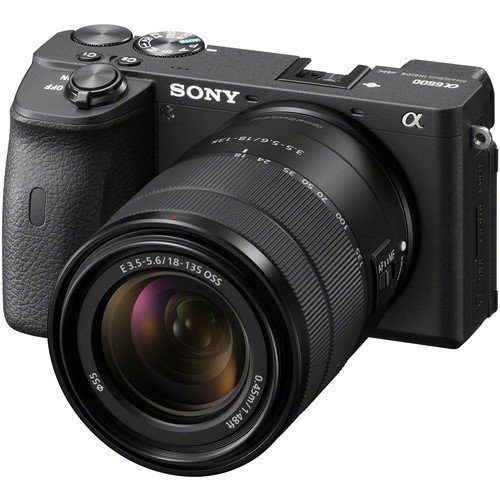
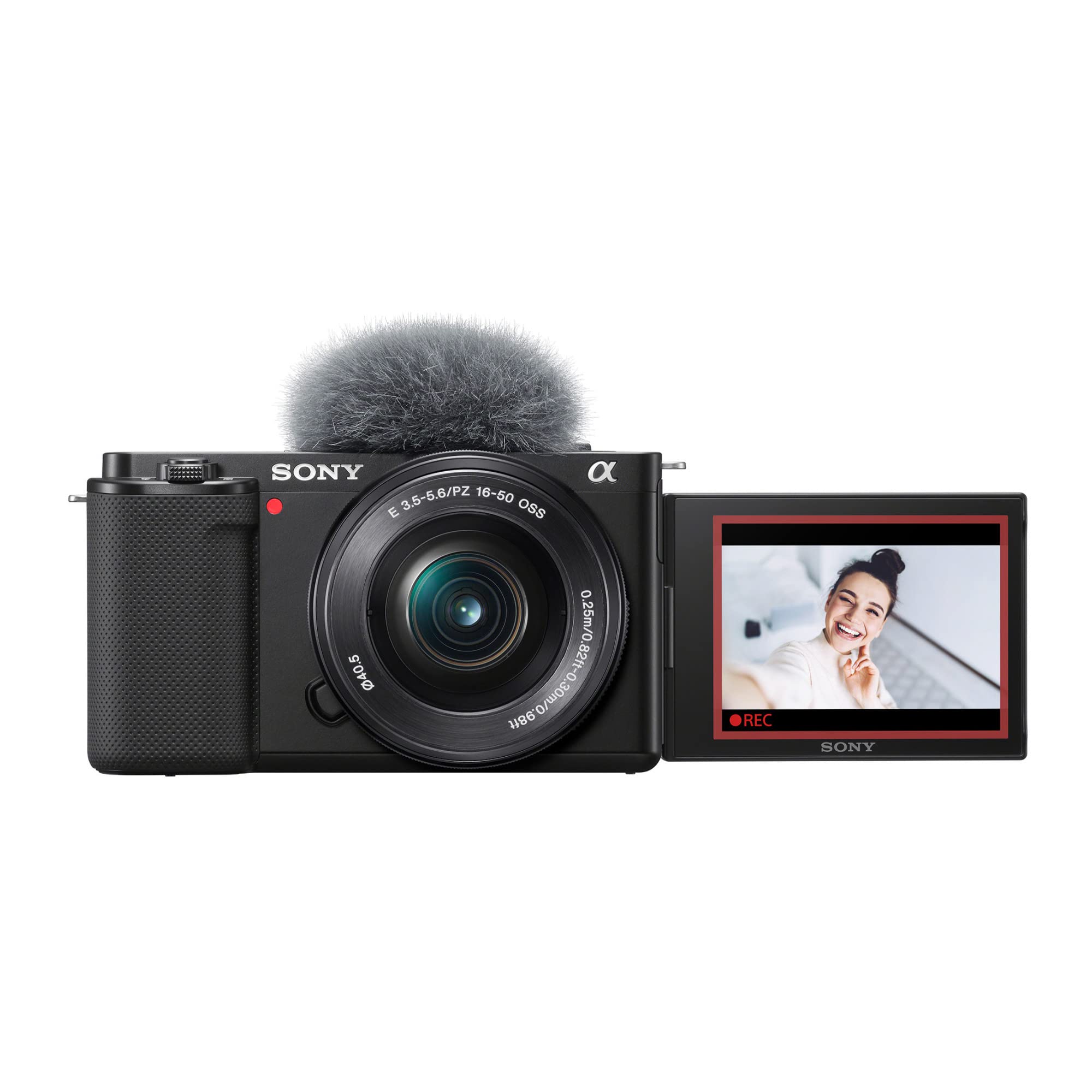
The Sony A6600 and the Sony ZV-E10 are both popular choices among photography enthusiasts and videographers, especially those focusing on content creation and vlogging. The A6600 is more aligned with traditional photography and videography needs, while the ZV-E10 is designed specifically for vloggers, featuring tailored functionalities for that audience. Buyers may find themselves choosing between these two models based on their specific needs-whether they prioritize advanced features for still photography and stabilization or the user-friendly features aimed at content creation. Key differentiators include video resolution capabilities, stabilization features, and overall build quality.
Specifications Comparison
Detailed Comparison
Image Quality
Both the Sony A6600 and ZV-E10 feature an APS-C sensor with 24 megapixels, which enable high-resolution images with excellent detail and dynamic range. However, the A6600 has the advantage of a wider ISO range, extending from 100 to 32000 and expandable to 102400, which provides better low-light performance compared to the ZV-E10 that has an ISO range starting from 100 up to 32000, expandable to 50-51200. This distinction allows the A6600 to capture clearer images in darker environments, making it more versatile for different shooting conditions.
Moreover, the A6600 benefits from its sensor-shift stabilization, which can significantly enhance image quality by reducing motion blur during handheld shooting. On the other hand, the ZV-E10 lacks any stabilization technology, indicating that while it may produce excellent images under ideal conditions, it may struggle in less controlled environments. Overall, if image quality is of high priority, especially in varying light conditions and while shooting handheld, the A6600 is the superior choice.
Autofocus System
Both cameras are equipped with Sony's renowned autofocus system, featuring 425 phase-detection points. This allows for fast, accurate focusing in both stills and video. However, the A6600 benefits from more advanced autofocus capabilities, including real-time eye autofocus for both humans and animals, which is particularly valuable for portrait and wildlife photography. This feature enhances the user experience for photographers who require precision and reliability in their focus system.
The ZV-E10 also implements excellent autofocus performance, particularly optimized for vlogging with features such as a 'Product Showcase Mode' that quickly shifts focus between a subject and an object held in front of the camera. This feature is beneficial for content creators and vloggers but shows that it's more focused on video-centric usability than versatility in all photographic scenarios. Therefore, while both cameras perform well, the A6600's robust autofocus features give it the edge.
Video Capabilities
The video capabilities of both models differ notably. The A6600 offers 4K video recording at 30 frames per second (fps), delivering higher resolution video suitable for more professional applications. In contrast, the ZV-E10 is limited to 1080p at 24fps, which, while adequate for vlogging, does not offer the same level of detail as 4K footage.
Additionally, the A6600 allows for higher bit rates and better performance in more demanding scenarios, such as low light or rapid movement. The ZV-E10, although designed with vlogging in mind, lacks features such as in-body stabilization which can further affect video quality during handheld shooting. Thus, for serious videography, particularly where resolution and professional quality are paramount, the A6600 positions itself as the clear winner.
Build & Ergonomics
In terms of build quality, the A6600 has a weather-sealed body, which is a significant advantage for photographers who shoot in various outdoor conditions or adverse weather. The sturdier design may appeal to those looking for a long-lasting investment. Additionally, the A6600 is slightly larger and heavier but has a more ergonomic grip for extended shooting sessions.
On the other hand, the ZV-E10 is compact and lightweight, making it an excellent choice for travel and on-the-go photography. Its design also includes features tailored to vloggers, such as a fully articulating touchscreen. However, the lack of weather sealing may deter buyers who often shoot in unpredictable environments. Consequently, the choice here boils down to personal preference between a robust design versus a portable and lightweight option.
Battery & Storage
The A6600 shines in terms of battery life, rated for approximately 810 shots per charge, which is substantially higher than the ZV-E10's 440 shots. This makes the A6600 more suitable for long shooting days without frequent battery changes, which is critical for professionals.
Both cameras utilize the same Sony E-mount, ensuring compatibility with a wide variety of lenses, but the A6600's superior endurance makes it more reliable for critical shoots. Additionally, storage solutions in both units are also satisfactory, yet the ZV-E10's lower battery life may prove a limiting factor for users who need to capture extended content without interruption.
Value for Money
When considering price, the ZV-E10 is significantly more affordable, priced at $700 compared to the A6600 at $1400. For content creators specifically focused on video and vlogging, the ZV-E10 offers a compelling value proposition with its user-friendly features and lightweight design. It allows entry into high-quality photography and videography at a much lower investment.
However, while the A6600's price point is much higher, it offers advanced capabilities that justify the expense for more serious photographers and videographers seeking superior performance in various aspects like image quality, autofocus, and build. Thus, while the ZV-E10 provides excellent value for entry-level users, the A6600 is a worthy investment for professionals or serious hobbyists.
Our Verdict
Overall, the Sony A6600 emerges as the winner in this comparison, primarily due to its exceptional image quality, superior video resolution, and advanced autofocus system. While the ZV-E10 appeals to budget-conscious creators and is excellent for vlogging, the A6600 is the better choice for those who require versatility, robustness, and performance in various photography scenarios. Users who deeply value high-quality image capture and video resolution should opt for the A6600, while those focused solely on creating engaging content at a lower price may find the ZV-E10 to be a suitable choice.
Sony A6600
Sony ZV-E10
Also Compare
Frequently Asked Questions
Which camera is better for vlogging?
The Sony ZV-E10 is specifically designed for vlogging with features such as a fully articulating screen, optimized autofocus for quick subject changes, and a lightweight body, making it more suitable for on-the-go content creation.
Is the A6600 worth the higher price?
If you are a serious photographer or content creator who requires superior image quality, advanced autofocus features, and dual functionality for stills and 4K video, the A6600's higher price is justified.
Can both cameras use the same lenses?
Yes, both the Sony A6600 and ZV-E10 utilize the Sony E-mount, which allows users to interchange lenses, taking advantage of the wide range of optics available from Sony and third-party manufacturers.
How important is stabilization for video shooting?
Stabilization is crucial for achieving smooth video footage, especially when shooting handheld. The A6600's in-body stabilization offers a significant advantage over the ZV-E10, which may result in shakier video without a gimbal.
What are the main differences in low-light performance?
The A6600 has a wider and higher expandable ISO range than the ZV-E10, making it a better choice for low-light photography and videography, capturing cleaner images with less noise.