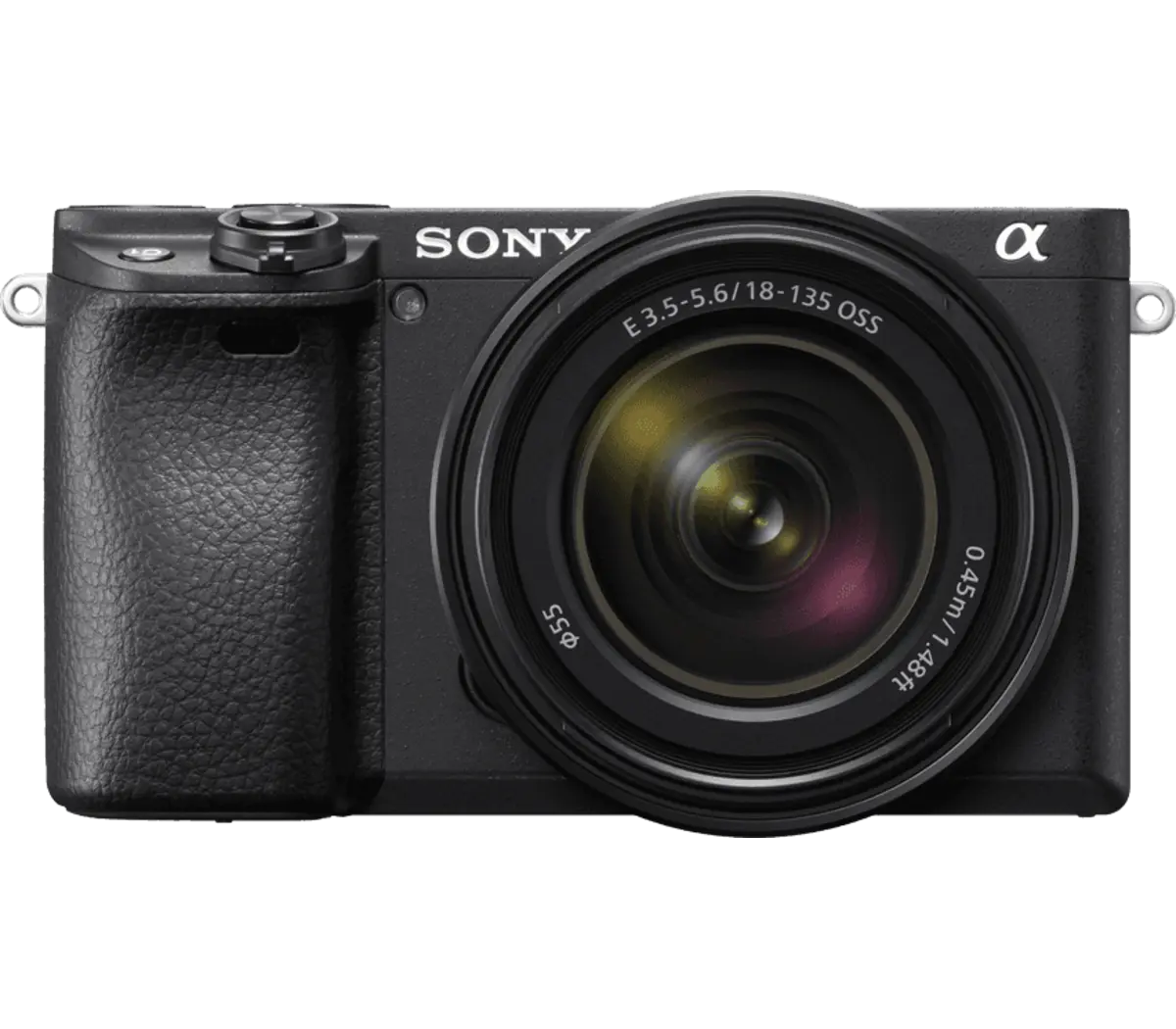

The Sony A6400 and Sony ZV-E10 II are two versatile cameras designed for enthusiasts and content creators, making them frequently compared options in the market. Both cameras boast an APS-C sensor, which balances image quality and size, appealing to photographers and videographers who prioritize portability without sacrificing performance. The A6400 has been a favorite among vlogging and general usage enthusiasts since its release, while the newer ZV-E10 II brings a host of enhancements that cater specifically to video creators and those who require a more advanced user experience.
Specifications Comparison
Detailed Comparison
Image Quality
Both the Sony A6400 and Sony ZV-E10 II offer excellent image quality due to their APS-C sensors. The A6400 features a 24-megapixel sensor, which delivers sharp and detailed images in various lighting conditions and dynamic range. In contrast, the ZV-E10 II boasts a slightly higher 26-megapixel sensor, resulting in improved resolution for cropping and detail, particularly beneficial for print work or large displays. Additionally, while both cameras excel in ISO performance with a reported range of 100-32000, the ZV-E10 II's extended ISO capabilities (50-102400) can provide even greater flexibility in challenging lighting situations, offering an edge in low-light conditions. However, in practical use, both cameras perform admirably and display minimal noise at higher ISO settings, catering to a variety of shooting scenarios.
Autofocus System
Autofocus performance is critical for both still and video shootings, especially for dynamic subjects. The A6400 features a robust autofocus system with 425 phase-detection points, making it a reliable choice for capturing fast-moving subjects. Conversely, the ZV-E10 II significantly ups the ante with 759 autofocus points, ensuring that even more challenging subjects can be tracked effectively. The ZV-E10 II's autofocus system also benefits from advanced features such as Real-Time Eye autofocus and face detection, which are particularly advantageous for vlogging or portrait photography. Both systems perform exceptionally well, but the added autofocus points and enhanced tracking capabilities in the ZV-E10 II make it more suitable for fast-paced scenarios.
Video Capabilities
Video quality has become a primary consideration for creators today. The A6400 can record 4K video at up to 30 fps, which suits many creators for high-quality video content. However, the ZV-E10 II makes a notable advancement by offering 4K recording at 60 fps, allowing for smoother motion and greater versatility in editing. The ZV-E10 II also features dedicated video-centric resources, such as a better cooling system for extended shooting durations, making it ideal for longer takes or events. Additionally, its vari-angle touchscreen enhances usability for solo creators trying to frame their shots. Thus, for video production, the ZV-E10 II clearly provides superior options.
Build & Ergonomics
While both cameras are compact and lightweight, there are some subtle differences in their build and usability. The A6400's dimensions (120 x 67 x 60 mm) and weight (403 g) give it a slightly sturdier feel, and it includes an electronic viewfinder, which many traditional photographers prefer for composing shots in bright conditions. In contrast, the ZV-E10 II is slightly lighter at 377 g and features a fully articulating screen, which is advantageous for vloggers and content creators who require flexible angles for self-recording. Both cameras are weather-sealed, but the A6400's optical viewfinder may appeal more to users who appreciate that feature during photography. Ultimately, the preferred ergonomics will depend on the primary use case: traditional photography versus vlogging.
Battery & Storage
Battery life is an essential consideration for active users, and the A6400 has a higher battery life of approximately 410 shots compared to the ZV-E10 II, which typically offers fewer shots per charge, albeit still reasonable for most. This difference may be critical for users who plan to shoot all day without the ability to recharge. In terms of storage, both cameras use SD cards, supporting UHS-I for faster write speeds in video and burst shooting scenarios. However, videographers may find themselves needing larger storage capacities with the ZV-E10 II, especially when utilizing its higher data rates for 4K 60p video. Overall, while the A6400 has a clear edge in battery life, both cameras are capable flash media options.
Value for Money
In terms of pricing, the A6400 has an MSRP of $900, while the ZV-E10 II comes in at $1000, reflecting its upgraded features. The A6400 is an established camera that has gained a reputation for reliability and image quality; thus, it might be a more budget-friendly option for those who do not require cutting-edge video specifications. The ZV-E10 II, being the latest in the lineup, delivers enhanced features designed explicitly for video creators, justifying its higher price point for those who make video content their primary focus. Ultimately, considering the feature sets, the choice will depend on the user's intent-whether they prioritize a versatile all-rounder or a dedicated, feature-rich video tool.
Our Verdict
The Sony ZV-E10 II ultimately emerges as the overall winner due to its enhanced video capabilities, superior autofocus system, and updated features tailored for content creation. It is particularly suited for vloggers, YouTubers, and those who frequently create dynamic video content, making it an ideal choice despite the higher price tag. The Sony A6400, with its solid build quality, outstanding still-image performance, and increased battery life, remains an excellent choice for traditional photographers or hybrid shooters who may not require advanced video features. Both cameras offer exceptional value, but individual needs will dictate which system will perform best in particular scenarios.
Sony A6400
Sony ZV-E10 II
Also Compare
Frequently Asked Questions
Which camera is better for vlogging?
The Sony ZV-E10 II is better for vlogging thanks to its advanced video features, vari-angle screen, and superior autofocus performance.
Is the A6400 suitable for professional photography?
Yes, the Sony A6400 is suitable for professional photography due to its excellent still image quality and solid autofocus capabilities.
How does battery life compare between the two cameras?
The Sony A6400 offers about 410 shots, while the ZV-E10 II typically provides fewer shots, making the A6400 better suited for long shoots without recharging.
Can I capture 4K video with both cameras?
Yes, both cameras can record 4K video, but the ZV-E10 II can record at up to 60 fps, which offers smoother video overall.
What is the difference in autofocus capabilities?
The Sony ZV-E10 II has more autofocus points (759) compared to the A6400 (425), providing better tracking for fast-moving subjects.