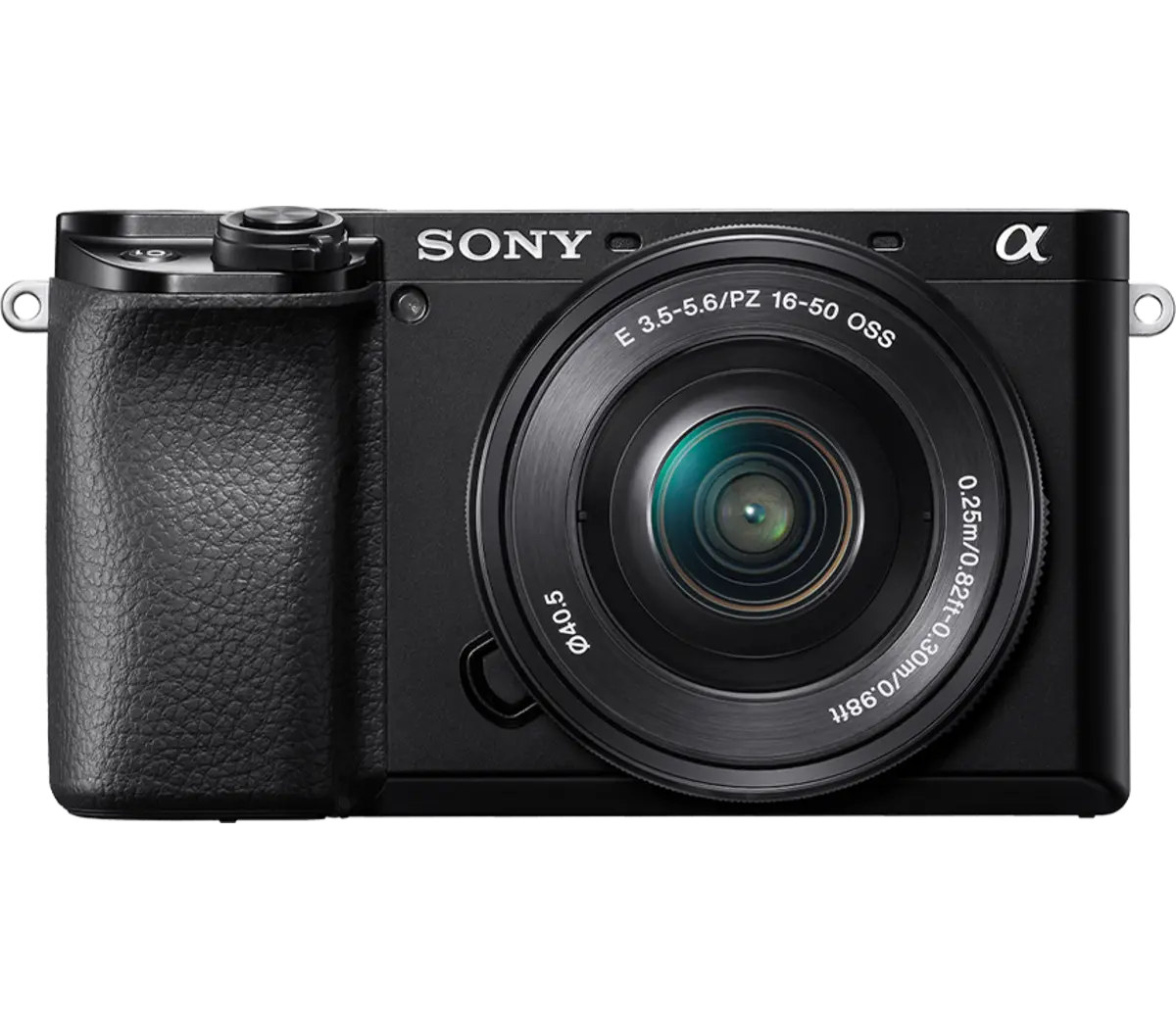
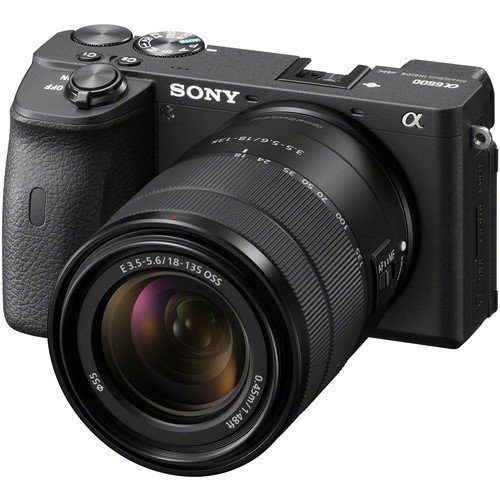
The Sony A6100 and A6600 are two popular mirrorless cameras in the APS-C segment, appealing to both amateur and enthusiast photographers. They are often compared due to their similar base specifications, including a 24-megapixel sensor, APS-C format, and an impressive autofocus system. Those who might be choosing between them are typically looking for a versatile camera that can handle a wide range of photography styles, from casual shooting to more serious projects. One of the main differentiators in this comparison is the A6600's added features like in-body stabilization and weather sealing, which can significantly impact usability and durability in various conditions.
Another critical aspect of these cameras is their design and handling, which can influence the shooting experience significantly. Buyers may also weigh factors such as battery life, video capabilities, and overall value for money, which can guide them toward one camera over the other. Understanding the specific strengths and weaknesses of each camera is essential for making the right choice based on individual needs and preferences.
Specifications Comparison
Detailed Comparison
Image Quality
Both the Sony A6100 and A6600 feature a capable 24-megapixel APS-C sensor, ensuring high-quality images with good detail retention. The ISO performance is quite similar, with the A6100 offering an ISO range of 100-32000 expandable to 51200, while the A6600 extends further with an ISO range of 100-32000 and an impressive maximum of 102400. Therefore, when it comes to low-light scenarios, the A6600 has a notable edge, as it can handle more extreme situations than the A6100.
In practical use, both cameras deliver excellent dynamic range and color reproduction, which are hallmarks of Sony's imaging systems. However, the A6600's ability to shoot at higher ISO levels may provide better results in low-light conditions compared to the A6100, particularly at very high ISO settings. Both cameras utilize similar image processing technology, meaning their overall image quality will often feel comparable in favorable lighting but may diverge noticeably at the extremes.
Overall, while both models produce excellent images with great detail and color accuracy, the A6600's additional low-light capability gives it a slight advantage in terms of versatility for various shooting conditions.
Autofocus System
Both the A6100 and A6600 come with an impressive autofocus system featuring 425 phase-detection and contrast-detection points, ensuring fast and accurate focusing. They also support Real-time Eye autofocus for both humans and animals, making them ideal for portrait and wildlife photography. In day-to-day shooting, both models perform admirably under standard conditions. However, the A6600 benefits from slightly better tracking capabilities thanks to its advanced algorithms, derived from Sony's higher-end models.
When utilizing burst shooting, both the A6100 and A6600 can achieve 11 frames per second, but the A6600's autofocus performance remains more consistent, particularly during continuous shooting scenarios. The A6600 also benefits from the inclusion of a joystick for faster and more intuitive AF area selection, enhancing its usability.
Nevertheless, for everyday photography, both models are more than adequate, and many users may find the A6100's autofocus performance sufficient for their needs. The advanced features of the A6600, while beneficial, may cater more to serious photography enthusiasts or professionals who require those extra capabilities.
Video Capabilities
When it comes to video capabilities, both the A6100 and A6600 are capable of recording 4K video at 30 frames per second, allowing users to create stunning video content. However, the A6600 has some additional features that can appeal to videographers. Notably, it offers advanced codecs and higher bitrate options, which can improve the overall quality of recorded footage. Both models also support full pixel readout and a Super 35mm crop, ensuring high-quality 4K output without pixel binning.
In addition to that, the A6600's in-body image stabilization is a game-changer for handheld video shooting, providing users with smoother footage in situations where using a tripod is not feasible. On the other hand, the A6100 lacks stabilization, making it less favorable for handheld video work.
Overall, while both cameras provide great video functionalities, the A6600's stabilization and advanced video features give it a clear edge for users focused on video content creation.
Build & Ergonomics
Both the A6100 and A6600 share a similar compact design, but there are notable differences in their build quality and ergonomics. The A6600 incorporates a more robust build with weather sealing, which makes it more durable and suitable for various outdoor conditions. This can be particularly advantageous for adventure photographers or those who frequently shoot in challenging environments.
The A6600 also features a larger grip compared to the A6100, providing a more comfortable hold, particularly with larger lenses. This added comfort can enhance long shooting sessions, a considerable benefit for users focused on portrait or event photography.
While the A6100 is lightweight and portable, making it an excellent option for everyday use and travel, it lacks the weatherproofing and overall sturdiness of the A6600. For serious photographers seeking durability and comfort, the A6600 stands out as the better option.
Battery & Storage
Battery life is a key consideration for photographers and videographers, and in this regard, the A6600 has a clear advantage. With a rated battery life of approximately 810 shots per charge, it outperforms the A6100's 420 shots significantly. This can be crucial for users who often shoot extended sessions without the opportunity for recharging.
Both cameras use the same battery type (NP-FW50), offering similar options for storage and compatibility with accessories. However, the A6600's longer battery life allows for greater freedom when shooting on location or during events. Moreover, the higher battery capacity tends to come in handy when using Wi-Fi or Bluetooth for sharing images.
For those who prioritize battery life and want a camera that can withstand longer shooting periods, the A6600 is the clear winner in this category.
Value for Money
The A6100 is priced significantly lower at around $750, making it an attractive entry point for aspiring photographers or those looking for a capable, budget-friendly mirrorless camera. Despite the lower price, it offers solid performance and image quality, making it a great value for casual users or hobbyists who do not require advanced features.
In contrast, the A6600 is positioned as a more premium offering at approximately $1400. While it justifies the higher cost with its advanced stabilization, superior battery performance, and weather-sealed body, it may be more than what less demanding users require. Thus, for individuals who are serious about photography and need a robust camera that can handle a variety of shooting conditions, the investment in the A6600 could be worthwhile.
Overall, if budget is a primary concern and you do not need the advanced features of the A6600, the A6100 provides exceptional value. However, for serious users, the A6600's build and capability justifies its higher price.
Our Verdict
In conclusion, while both the Sony A6100 and A6600 offer excellent features and performance for their price points, the A6600 ultimately edges out as the overall winner. Its superior autofocus capabilities, advanced video features, enhanced ergonomics, longer battery life, and weather sealing make it more suitable for serious photographers and videographers. However, the A6100 provides outstanding value for entry-level users or those who prioritize a lower cost, making it an ideal choice for casual shooting without the need for more extensive capabilities. Ultimately, the choice between the two will depend on the user's needs, budget, and how they plan to utilize the camera.