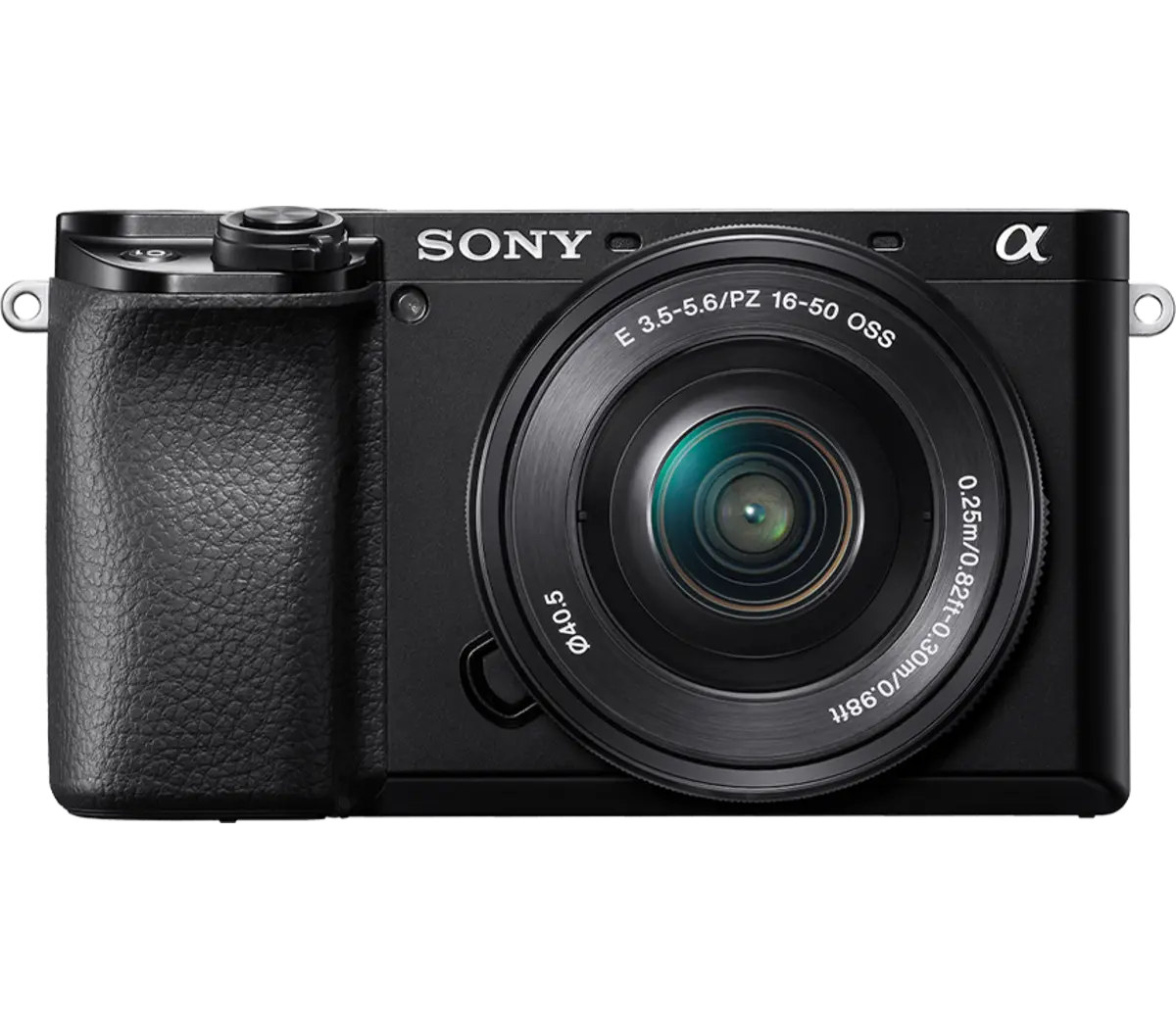
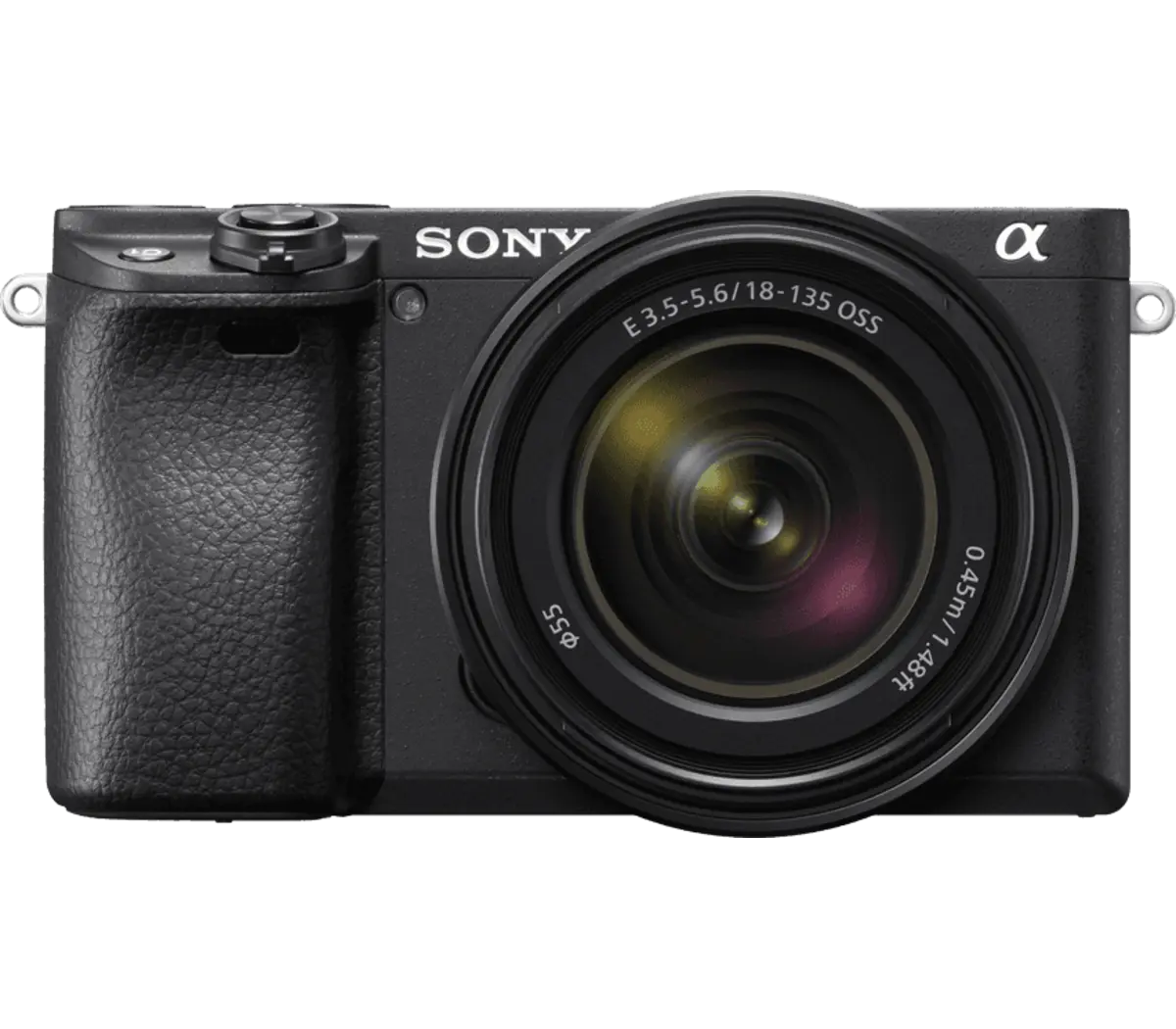
The Sony A6100 and Sony A6400 are both part of Sony's popular APS-C mirrorless lineup, targeting enthusiasts and advanced amateurs seeking high performance in a portable package. These two cameras are commonly compared because they share the same sensor, autofocus system, and a nearly identical body design. Both sit at the heart of Sony's E-mount ecosystem and offer similar core shooting experiences.
Photographers and videographers evaluating these cameras are often deciding whether to save money with the A6100 or to invest a bit more for the A6400's extra features. Key differentiators include the A6400's higher maximum ISO, weather-sealing, and subtle functional enhancements, whereas the A6100 focuses on delivering strong fundamentals at a more accessible price. Understanding which camera fits your needs depends on balancing feature preferences against budget.
Specifications Comparison
Detailed Comparison
Image Quality
Both the Sony A6100 and A6400 utilize a 24-megapixel APS-C sensor (23.5 x 15.6 mm), providing comparable levels of resolution and detail capture. In practical use, stills from both cameras exhibit similar dynamic range, color rendition, and low-light performance at base and mid-level ISOs. Images are crisp, detailed, and well-suited for large prints and cropping.
The primary separation lies in the A6400's expanded ISO range, which extends up to ISO 102800 (versus the A6100's ISO 51200). While real-world shooting usually keeps ISO below 25600 for best results, the A6400 technically offers more flexibility in extreme low-light situations. However, noise levels at these top ISOs are high and image quality degrades significantly, meaning the difference is marginal for most users.
In summary, for general photography and even most low-light applications, both cameras perform identically, offering excellent image quality for their class. The edge the A6400 has is only relevant at the extremes.
Autofocus System
Autofocus is a standout strength for both cameras, featuring a 425-point hybrid phase and contrast detection system. Sony's Real-time Eye AF and Real-time Tracking are present on both, ensuring superb subject tracking for people and animals, and making both cameras highly capable for fast action, portraits, and video work.
In side-by-side use, autofocus speed and reliability are virtually indistinguishable. Both models achieve quick focus lock, track subjects smoothly, and support continuous shooting at up to 11 fps with AF/AE tracking. For most shooting scenarios, the difference in autofocus performance is negligible.
Given they share the same autofocus engine and algorithms, practical differences are nearly nonexistent. Both are leaders in their class for AF performance.
Video Capabilities
For video shooters, both the A6100 and A6400 offer 4K recording at up to 30p using full pixel readout with no pixel binning, delivering crisp and detailed video output. They both provide high bitrate options, microphone input support, and advanced autofocus during video. However, there are some subtle distinctions between the two.
The A6400 gains an advantage with its unlimited 4K video recording time-whereas the A6100 is limited to a standard 29-minute clip length due to heat and file system constraints. Additionally, the A6400 offers a higher maximum ISO for video, which can benefit low-light videography, and is marketed as less susceptible to overheating.
Neither camera includes in-body image stabilization, so users will need stabilized lenses or a gimbal for the smoothest footage. All else equal, the removal of the recording limit and improved heat management give the A6400 a clear edge for ambitious videographers or content creators.
Build & Ergonomics
Physically, the A6100 and A6400 are nearly the same in terms of size and layout, sharing an identical button arrangement and grip shape. Both include a 3-inch tilting touchscreen and a 2.36 million-dot electronic viewfinder. The few grams difference in weight (396g versus 403g) is imperceptible in real use.
Where the A6400 stands out is its weather-sealed body, offering additional protection against dust and moisture-an important factor for shooting in challenging environments or travel. While neither body is fully ruggedized, this added sealing makes the A6400 more confidence-inspiring outdoors.
Otherwise, build quality is high on both, with sturdy plastic shells and good control response. If you plan to shoot in inclement weather or want extra durability, the A6400 is the stronger choice.
Battery & Storage
Both cameras use the same NP-FW50 battery and accept a single SD card, supporting UHS-I speeds. The A6100 edges out the A6400 slightly in quoted battery life at 420 shots per charge compared to 410 shots, though real-world results may vary depending on usage style and settings.
Neither camera is notable for battery longevity (as is typical with small-bodied mirrorless models), so video shooters or heavy users will want to pack spare batteries. Storage slots and options are functionally identical across the two models. The slight edge in battery endurance goes to the A6100, but the practical difference is minimal.
Charging via USB is supported on both, making it easy to top up with portable power banks when traveling.
Value for Money
Price is one of the most critical considerations for many buyers. The A6100 retails for approximately $750 USD, whereas the A6400 is listed at around $900 USD, making the latter about 20% more expensive. Both cameras deliver outstanding performance for their class, but the A6100 provides nearly the same imaging pipeline and autofocus system at a lower price, making it a compelling deal for most users.
The A6400 justifies its premium with specific enhancements like weather sealing, extended ISO range, unlimited 4K recording, and a marginally more robust build. For video creators, professionals, or outdoor photographers, these upgrades can be worth the extra investment. However, for casual photographers or those on a budget, the A6100 delivers exceptional value and core performance.
Ultimately, the price-to-performance ratio heavily favors the A6100 unless you specifically need the A6400's extra features.
Lens Ecosystem
Both bodies use the Sony E Mount, granting access to the same wide array of Sony and third-party APS-C and full-frame lenses. Whether choosing between the A6100 or A6400, users will find an equally robust lens lineup for photography genres ranging from landscape and portraits to sports and vlogging.
No meaningful difference exists between the two in compatibility, autofocus speed with lenses, or ecosystem support. Accessories such as flashes, microphones, and grips are cross-compatible as well.
Lens selection should not influence the decision between these two bodies.
Our Verdict
Overall, the Sony A6400 edges out the A6100 by offering premium features that matter to professionals and enthusiasts: weather sealing, unlimited 4K recording time, and a marginally more robust build. While still image quality and autofocus are essentially matched, the extra durability and advanced video functionality make the A6400 more versatile for rigorous shooting conditions and advanced users. However, the A6100 remains the value leader, delivering industry-leading autofocus, strong image quality, and 4K video at a lower price. Users who don't need weather sealing or unlimited video recording will find the A6100 to be the smarter buy, while the A6400 is better suited to those who shoot outdoors, in tough conditions, or require more robust video features. Choose according to your specific shooting needs and budget.
Sony A6100
Sony A6400
Also Compare
Frequently Asked Questions
Is there a significant image quality difference between the Sony A6100 and A6400?
No, both cameras use the same 24MP APS-C sensor and processor, resulting in essentially identical image quality. Differences in image output are negligible in practical shooting conditions.
Does the Sony A6400's weather sealing make a real-world difference?
Yes, the weather sealing on the A6400 provides added protection against dust and moisture, offering peace of mind for shooters who often work outdoors or in challenging environments. The A6100 is not weather-sealed.
Which camera is better for video: A6100 or A6400?
The A6400 is better for video because it removes the 29-minute recording limit in 4K, has improved heat management, and offers a higher maximum ISO for low-light video work. The A6100 is still strong for 4K video but is more limited in continuous recording.
Is the autofocus performance different between the two models?
No, both cameras use the same phase/contrast AF system with 425 points and Real-time Eye AF/Tracking. Autofocus performance is equally fast, accurate, and reliable on both cameras.
Which camera is better for travel and street photography?
Both are compact and lightweight, making them excellent for travel and street work. However, the A6400's weather sealing offers extra reliability in unpredictable conditions, while the A6100's slightly better battery life and lower cost make it more appealing for budget-conscious travelers.
Are there any lens or accessory compatibility differences?
No, both the A6100 and A6400 use the Sony E mount and are fully compatible with the same lenses and accessories, including microphones, flashes, and grips.