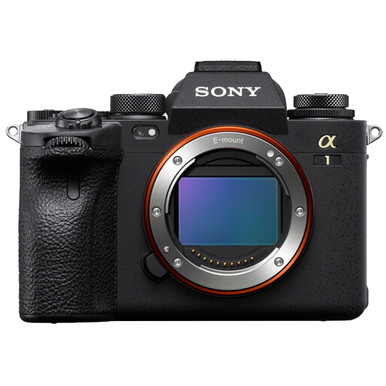

The Sony A1 and Sony A7S III are both premier full-frame mirrorless cameras renowned for their exceptional performance, but they cater to somewhat different audiences and use cases. The A1 is designed as a flagship model that excels in high-resolution imaging and burst shooting, attracting professional photographers who require the highest level of detail and speed. On the other hand, the A7S III is targeted at videographers and content creators with a focus on low-light performance and video capabilities, making it a popular choice for filmmakers and wedding photographers. Buyers often find themselves weighing these two models against each other due to their overlapping feature sets and pricing.
Specifications Comparison
Detailed Comparison
Image Quality
The Sony A1 boasts an impressive 50 megapixel resolution, providing stunningly detailed images that are ideal for large prints or heavy cropping. With its high megapixel count, the A1 also excels in dynamic range and color accuracy, making it a top choice for landscape and studio photographers. In contrast, the A7S III, with its 12 megapixels, may seem limited for those who prioritize resolution. However, its sensor is specifically designed to excel in low-light conditions, providing excellent performance at high ISO values and producing cleaner images with less noise in darker environments. Thus, while the A1 provides superior resolution, the A7S III is more suited for situations where light is scarce and ISO performance is critical.
Autofocus System
Both cameras use Sony's advanced autofocus systems that include 759 points, which offer fast and accurate focus tracking. However, the A1 may have a slight edge due to its ability to deliver autofocus at higher frame rates while shooting in burst mode. This is crucial for sports and wildlife photography, where fast-moving subjects need to be captured with precision. The A7S III, while equipped with the same number of autofocus points, is optimized for video autofocus, which is often smoother and quieter, making it ideal for filmmakers looking to keep focus on moving subjects. Overall, while both cameras feature strong autofocus capabilities, the A1 is better suited for still photography, and the A7S III excels in video-centric scenarios, thus making this a nuanced win.
Video Capabilities
Both the A1 and A7S III support 4K recording at 120 frames per second, making them excellent choices for videography. However, the A7S III shines with a more extensive range of video-specific features, such as 16-bit RAW output via HDMI, enhanced color science, and superior low-light performance, which artists and creators heavily rely on. The A7S III also provides better video autofocus performance and customizable codec options, making it more versatile for varied filming conditions. Although the A1 offers great video capabilities and is well-rounded for both photo and video, the specific video-centric features of the A7S III tilt the comparison in its favor, particularly for those focused exclusively on video production.
Build & Ergonomics
Both cameras feature robust construction with weather sealing, making them suitable for professional use in varied environmental conditions. They share identical dimensions and weight, providing a familiar feeling for users transitioning between the two. However, small details, such as button placement and customizable settings may appeal differently based on individual preferences. The A1, with its high-resolution viewfinder and high pixel density in the rear LCD screen, can provide better clarity during shooting. Both cameras are designed for prolonged usage, but the A7S III's slightly better battery life (600 shots compared to A1's 530) can be an essential deciding factor for long shoots. Given these considerations, while both cameras excel in build quality, the A7S III's battery performance and design features for video take a slight lead.
Battery & Storage
The A1 and A7S III both utilize Sony's NP-FZ100 battery, with the A7S III offering a marginally better battery life rating of 600 shots compared to the A1's 530. In terms of storage, both cameras support CFexpress Type A and SD UHS-II memory cards, allowing for fast write speeds necessary for high-resolution video and burst shooting. This means that users can expect good performance regardless of the camera they choose; however, the A7S III's more efficient power consumption in video modes can be a crucial advantage during prolonged sessions. Thus, while both cameras are capable in this regard, the A7S III wins based on battery life and practical video shooting scenarios.
Value for Money
Price-wise, the A1 is positioned at a premium of $6500, making it a significant investment primarily aimed at professional photographers needing high-resolution capabilities, whereas the A7S III is priced at $3499, establishing itself as a more accessible option for those primarily interested in videography and excellent low-light performance. Both cameras represent excellent value within their specific niches, but for users only needing high-quality video performance or low-light capabilities, the A7S III provides a more pragmatic option without sacrificing essential features. Therefore, while the A1 might be justified for those who require its unique capabilities, the A7S III offers better overall value for a wider audience.
Our Verdict
Taking into account the overall performance across key areas such as image quality, video capabilities, and price, the Sony A7S III emerges as the winner for most buyers. It excels in low-light video performance, is priced more affordably, and provides specialized video features that cater to filmmakers' needs. However, for those who prioritize ultra-high resolution and need top-tier burst shooting for stills, the Sony A1 remains an exceptional choice due to its superior image quality. Each camera suits different needs, so buyers should assess their specific requirements before making a decision.
Sony A1
Sony A7S III
Also Compare
Frequently Asked Questions
Which camera should I choose for professional photography?
If you require high resolution and fast burst shooting for sports or wildlife photography, the Sony A1 is the better choice as its 50MP sensor delivers exceptional detail and speed.
Is the A7S III better for video?
Yes, the A7S III is designed with videographers in mind, offering superior low-light performance, advanced video features, and more efficient battery life during video shooting.
What is the main advantage of the A1 over the A7S III?
The main advantage of the A1 is its higher resolution at 50MP, allowing for larger prints and greater detail, appealing to landscape and studio photographers.
Can both cameras shoot high-quality 4K video?
Yes, both cameras support 4K video at 120 frames per second, making them suitable for high-end video production, though the A7S III has additional features for filmmakers.
Are both cameras weather-sealed?
Yes, both the Sony A1 and A7S III feature weather-sealed constructions, making them durable for outdoor use in challenging conditions.