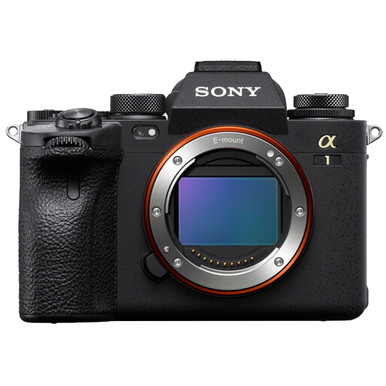
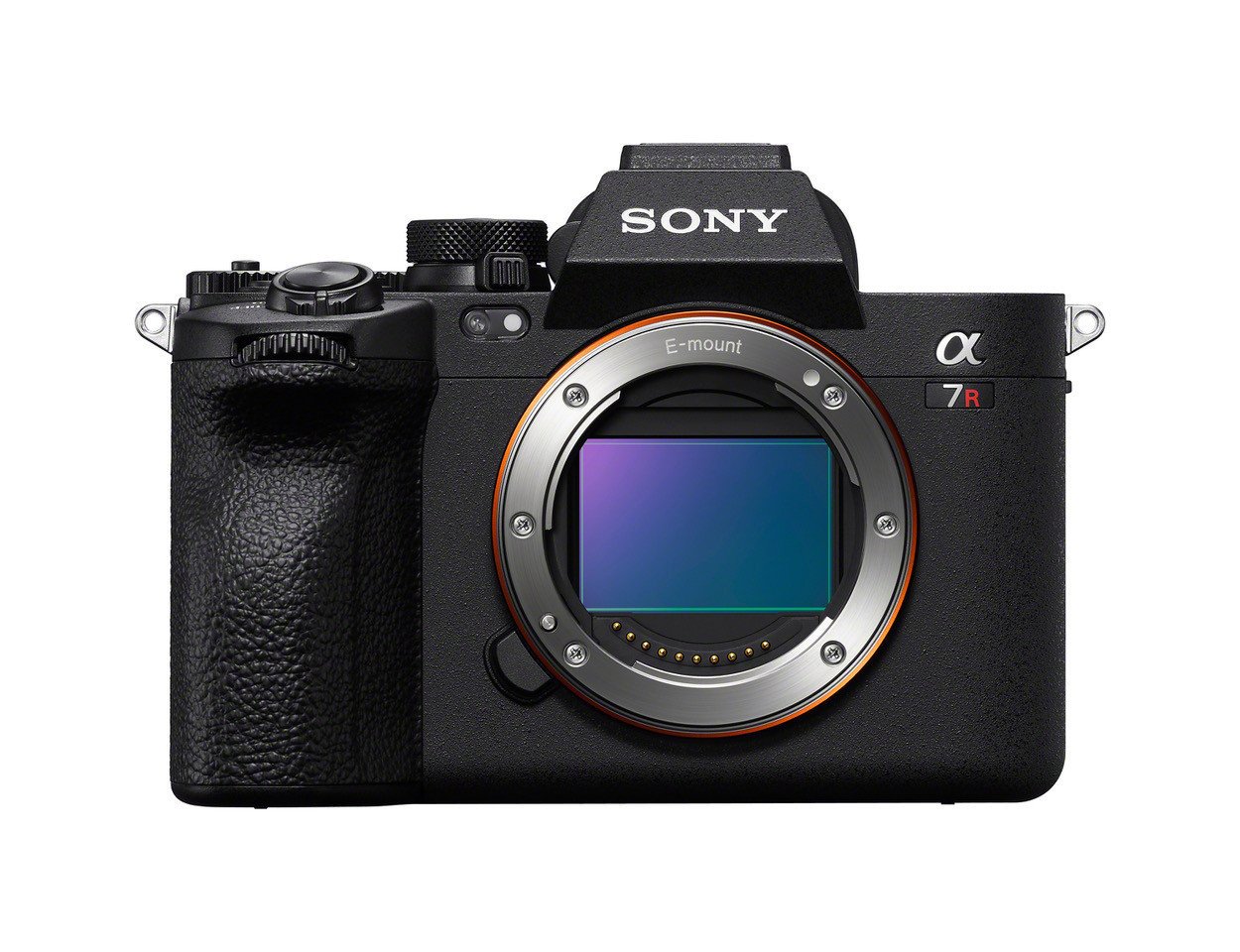
The Sony A1 and A7R V are two flagship full-frame mirrorless cameras from Sony, each designed for professionals and serious enthusiasts. Photographers selected between these models often have specific needs, whether it be for high-resolution landscapes, fast-action sports, or videography. With both cameras sitting at the high end of the price spectrum, it's crucial to understand their differences to make an informed decision. The A1 stands out for its high-speed performance and versatility, while the A7R V excels in resolution and advanced features, making them popular subjects for comparison.
Specifications Comparison
Detailed Comparison
Image Quality
When comparing image quality, the Sony A7R V edges slightly ahead with a higher resolution of 60 megapixels compared to A1's 50 megapixels. This additional resolution allows for more detailed images, a significant advantage for those who crop heavily or require large prints. Users of the A7R V can capture more intricate details, especially in landscapes and portraiture.
Both cameras feature full-frame sensors, but the A1's sensor provides slightly better dynamic range in certain situations. However, both perform excellently in low-light conditions with an ISO range expanding to 102400. That said, the noise control at high ISO settings is commendably handled by both models, with the A1 demonstrating slightly superior performance in extreme low-light scenarios.
Ultimately, while both offer exceptional image quality, the selection may come down to preference for resolution versus dynamic range. For photographers focused on high-resolution capture, the A7R V is the preferred choice, but for dynamic performance and versatility, the A1 is compelling.
Autofocus System
The autofocus systems on both the A1 and A7R V are robust, but the A1 offers a slight edge with 759 autofocus points compared to the A7R V's 693 points. This broad coverage enhances focusing accuracy across a wide scene and facilitates better tracking of moving subjects, crucial for sports and wildlife photography. The A1's impressive maximum burst rate of 30 fps means users can capture fast-action shots with minimal risk of missing a fleeting moment.
The A7R V, while having fewer autofocus points, still performs outstandingly, especially with eye-tracking features. It excels in portrait shooting, ensuring sharp focus on the subject's eyes with consistency. However, for fast-paced scenarios, such as capturing action in sports or wildlife, the A1's superior autofocus capabilities and speed are particularly advantageous.
In summary, those who prioritize action photography may find the A1's autofocus system to be a defining factor, while portrait and studio photographers might appreciate the A7R V's capabilities. Both systems are excellent, yet the A1 provides a more comprehensive solution for varied shooting demands.
Video Capabilities
Video capabilities are essential in today's photography landscape, where hybrid shooting is commonplace. The Sony A1 offers impressive video specs with 4K recording at 120p, allowing for high-frame-rate footage suitable for slow-motion playback. This feature is particularly beneficial for videographers looking to create striking cinematic effects.
In contrast, the A7R V limits 4K video recording to a maximum of 60p. However, the A7R V compensates with advanced video features, including improved thermal management, making it better suited for longer recording sessions. The extra resolution of 60 megapixels also translates to great flexibility in post-production for video cropping without sacrificing quality.
When weighing video capabilities, the A1 is the clear winner for those who prioritize high-speed, high-quality video. However, videographers who require versatility and longer recording times might find the A7R V more appealing due to its thermal advantages.
Build & Ergonomics
Both the A1 and A7R V boast sturdy builds and weather sealing, essential for outdoor and rugged photography. The slightly heavier weight of the A1 at 737g versus the A7R V's 723g contributes to its robust feel, but both cameras are ergonomically designed for comfortable handling during extended shoots.
The A7R V features a slightly larger 3.2-inch touchscreen with 2.1 million dots, which offers improved visibility and touch response compared to the A1's 3-inch screen with 1.44 million dots. This improvement is particularly noticeable when composing shots or navigating menus.
While both bodies are well-made, users looking for enhanced user interaction through a superior touchscreen experience may lean towards the A7R V. Overall, both cameras excel in build quality and usability, making it somewhat of a matter of personal preference.
Battery & Storage
Both the A1 and A7R V share the same CIPA-rated battery life of approximately 530 shots per charge, which is respectable for high-performing cameras in this category. This means users of either camera can expect similar performance when it comes to battery longevity during a shoot.
In terms of storage, both models use dual card slots, allowing for greater flexibility in managing large files, especially for high-resolution images and high-bitrate video. However, the media compatibility can vary, with the A1 supporting CFexpress Type A and SD UHS-II cards, thereby enabling faster write speeds necessary for continuous shooting at high frame rates. The A7R V also supports dual card slots but would benefit from similar high-speed media.
While both cameras perform well in battery life and storage options, the A1's advanced support for CFexpress Type A media gives it a performance edge during high-demand shooting situations.
Value for Money
When calculating value for money, the price difference is significant with the A1 retailing at $6500 compared to the A7R V's $3900. This considerable disparity invites scrutiny of the features offered. The A1 justifies its higher price with its impressive burst shooting capabilities, superior autofocus system, and faster video recording frame rates.
Conversely, the A7R V represents excellent value for those who need high resolution and in-depth computational photography without breaking the bank. Its price makes it attractive to landscape, studio, and portrait photographers who require detailed image capture without the need for the high-speed features of the A1.
Ultimately, the choice depends on one's specific needs. For those who require top-notch performance in speed and video capabilities, the A1's pricing is justifiable. However, for photographers prioritizing resolution and excellent image quality at a lower price point, the A7R V offers superior value.
Our Verdict
Overall, the Sony A7R V emerges as the victor in this comparison, primarily due to its superior resolution and excellent value for those prioritizing detailed image capture. While the Sony A1 excels in autofocus performance and high-speed video capabilities, the A7R V meets the needs of a broader range of photographers, offering a balance of advanced features at a more accessible price point. For sports and action photographers, the A1 might be a better fit, but the A7R V holds significant appeal for those focused on landscape and portrait photography, as well as those looking for a cost-effective solution without sacrificing quality.
Sony A1
Sony A7R V
Also Compare
Frequently Asked Questions
Which camera is better for sports photography?
The Sony A1 is better suited for sports photography due to its superior autofocus system and faster burst shooting capabilities.
Is the higher resolution in the A7R V worth it?
For photographers needing very high detail, such as landscapes or large prints, the extra resolution in the A7R V is definitely worth it.
How do the video features compare?
The A1 supports 4K recording at 120p, ideal for high-speed video, while the A7R V records at 4K 60p but benefits from better thermal management.
Which camera has better battery life?
Both cameras have similar battery life rated at approximately 530 shots per charge under CIPA standards.
Are both cameras weather-sealed?
Yes, both the Sony A1 and A7R V are weather-sealed, making them suitable for outdoor photography.