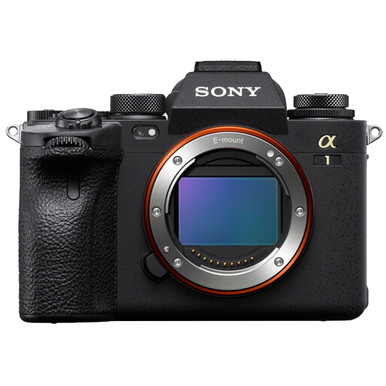
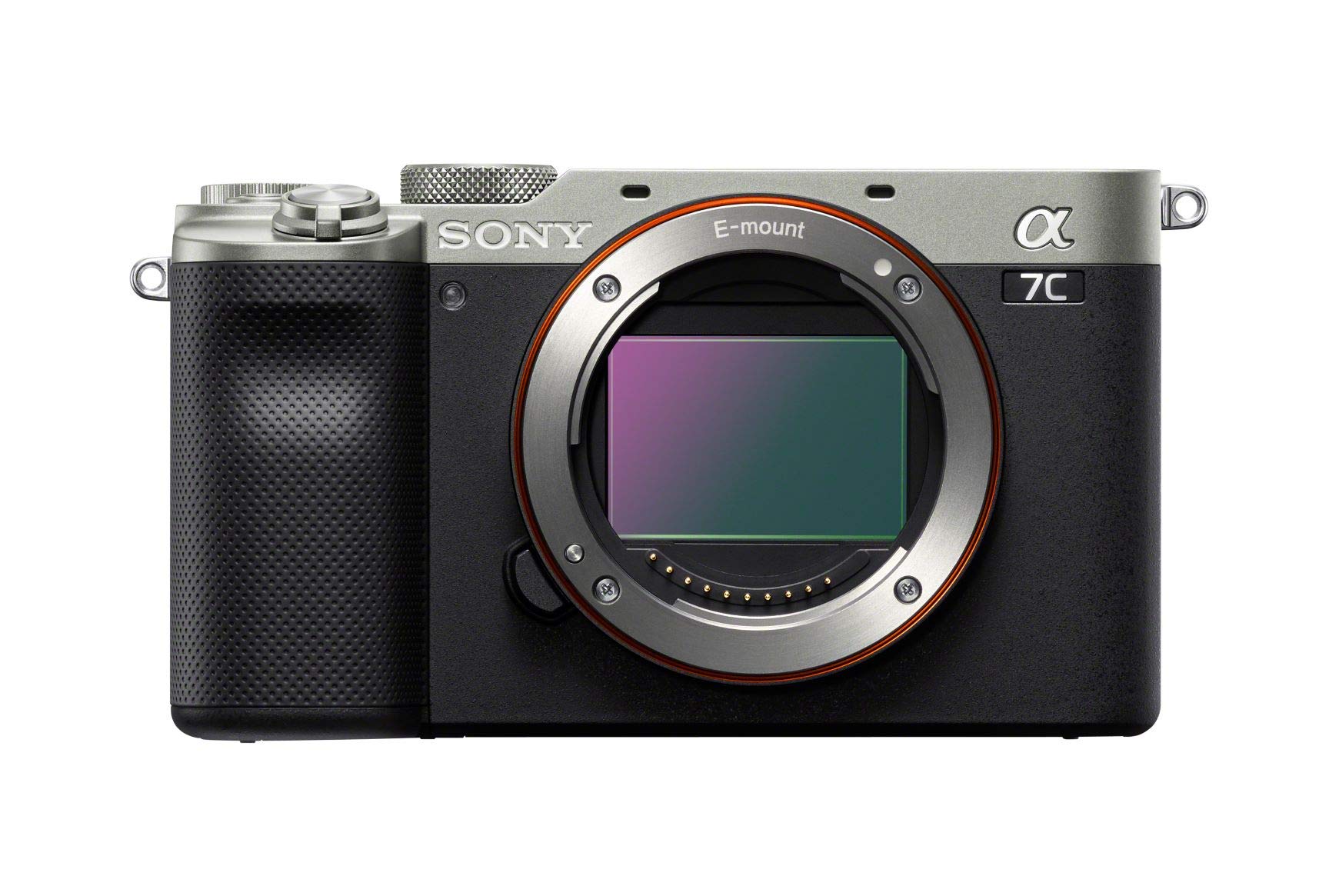
The Sony A1 and Sony A7C are two popular full-frame mirrorless cameras from Sony that cater to different users' needs. The A1 is known for its high-resolution capabilities, advanced autofocus, and impressive video performance, making it an ideal choice for professional photographers and videographers. On the other hand, the A7C offers a more compact design with a lower price point, targeting enthusiasts and content creators who prioritize portability without sacrificing quality. When comparing these two models, key differentiators such as image quality, autofocus performance, video features, and value for money come into play.
Specifications Comparison
Detailed Comparison
Image Quality
The Sony A1 boasts a staggering 50 megapixels, providing an exceptional level of detail that professional photographers can leverage for large prints and extensive cropping without noticeable loss of quality. Its full-frame sensor allows for excellent dynamic range and low-light performance, especially given its ISO range of 100-32000, expandable to 50-102400. In contrast, the A7C, with its 24 megapixels, still offers impressive image quality with good detail and color accuracy but falls short for those demanding larger prints or extensive editing flexibility. The A7C's ISO range is slightly broader at 100-51200 (expandable to 50-204800), which can give it a slight edge in extreme low-light scenarios. Ultimately, while both cameras produce high-quality images, the A1's superior resolution makes it the clear winner in this category.
Autofocus System
The autofocus system is critical for capturing sharp images, and here the Sony A1 leads with 759 autofocus points. This extensive point coverage results in fast and accurate focusing, ensuring that moving subjects can be tracked effectively, making it especially suitable for wildlife and sports photography. The A7C, while equipped with 693 autofocus points, still performs admirably and offers reliable subject tracking for most scenarios, including portraits and street photography. However, it may struggle slightly in extremely fast-paced environments compared to the A1. Both cameras benefit from Real-Time Eye AF for humans and animals, but the A1's more advanced system offers added precision. Thus, when it comes to autofocus capabilities, the A1 stands out as the champion.
Video Capabilities
For videographers, the Sony A1 is a powerhouse with the ability to shoot 4K video at up to 120p, providing stunning slow-motion effects that are often sought after in filmmaking and high-end video production. It also supports 10-bit 4:2:2 internal recording, making it versatile for professional workflows. The A7C, while it can shoot 4K at 30p, lacks the high frame rate options and broad color depth offered by the A1, making it less suited for high-end video work. However, the A7C's 4K video capability is still impressive for everyday videography and vlogging, thanks to its compact size and user-friendly controls. Nonetheless, for serious videographers looking for advanced features, the A1 is unequivocally the better choice.
Build & Ergonomics
When it comes to size and weight, the Sony A7C is significantly lighter and more compact at 509 grams and smaller dimensions (124 x 71 x 60 mm), making it exceptionally portable for travel and street photography. The A1, on the other hand, is larger and heavier (737 grams and 129 x 97 x 81 mm) but offers a more robust build with better ergonomics suitable for extended use. Both models are weather-sealed, promising durability in challenging conditions. The A1 includes more direct control dials and customizable buttons, which can enhance the shooting experience for professionals who need quick access to settings. Thus, depending on the user's needs, the A7C may appeal more to those prioritizing portability, while the A1 serves those looking for professional ergonomics.
Battery & Storage
Battery life is another critical consideration, and here the Sony A7C slightly edges out with a capacity to shoot approximately 740 shots per charge compared to the A1's 530 shots. This longer battery life can be advantageous for users engaged in prolonged shooting sessions without access to charging facilities. In terms of storage, both cameras utilize Sony's E-mount and support dual card slots; however, the A1 is more geared towards professional workflows requiring faster write speeds. The A7C is also compatible with UHS-II but may not deliver the same level of performance under intense conditions. Consequently, while the A7C wins in battery longevity, the A1 is superior in professional storage capabilities.
Value for Money
Price is a decisive factor for many buyers, and the stark contrast between the two models is evident: the Sony A1 retails for around $6500, while the A7C is considerably more budget-friendly at $1799. The A1's price reflects its position as a flagship model with cutting-edge technology and performance geared towards professionals. Conversely, the A7C provides a more accessible entry point into full-frame photography without diminishing too much on quality, making it an excellent value for enthusiasts or content creators who prioritize portability and ease of use. Hence, in terms of value for money, the A7C takes the lead as it offers a more manageable option for budget-conscious buyers while still delivering exceptional performance.
Our Verdict
Overall, the Sony A1 emerges as the winner in this comparison due to its superior image quality, advanced autofocus system, and video capabilities, making it ideal for professionals who demand the best performance for a range of shooting scenarios. The A7C, however, is an excellent option for beginner to intermediate users who value portability and cost-effectiveness without compromising significantly on quality. Each camera excels in its respective niche, making the choice dependent largely on the user's specific needs and budget.
Sony A1
Sony A7C
Also Compare
Frequently Asked Questions
Which camera is better for video?
The Sony A1 is superior for video, offering 4K at 120p and advanced recording options, making it ideal for serious videographers and filmmakers compared to the A7C, which limits 4K to 30p.
Is the Sony A7C good for beginners?
Yes, the Sony A7C is an excellent choice for beginners due to its user-friendly interface, lightweight design, and lower price point while still providing high-quality images and video.
What should I prioritize: weight or features?
If you prioritize portability and ease of travel, the A7C is better suited for your needs. However, if you need advanced features and performance, the A1 is the better option despite being heavier.
Can I use lenses from one camera on the other?
Yes, both cameras use the Sony E mount, allowing for lens compatibility across both models, so you won't be limited in your choice of lenses regardless of which camera you choose.
Is the image quality significantly different between the two?
Yes, the A1 offers much higher resolution at 50 megapixels, which provides more detail compared to the A7C's 24 megapixels, making it the better choice for detailed photography.