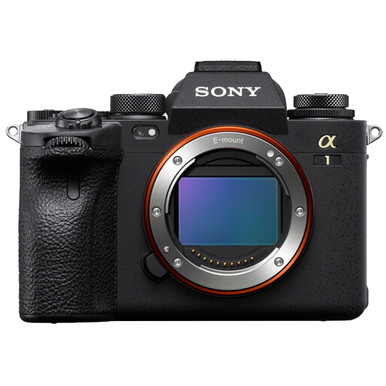
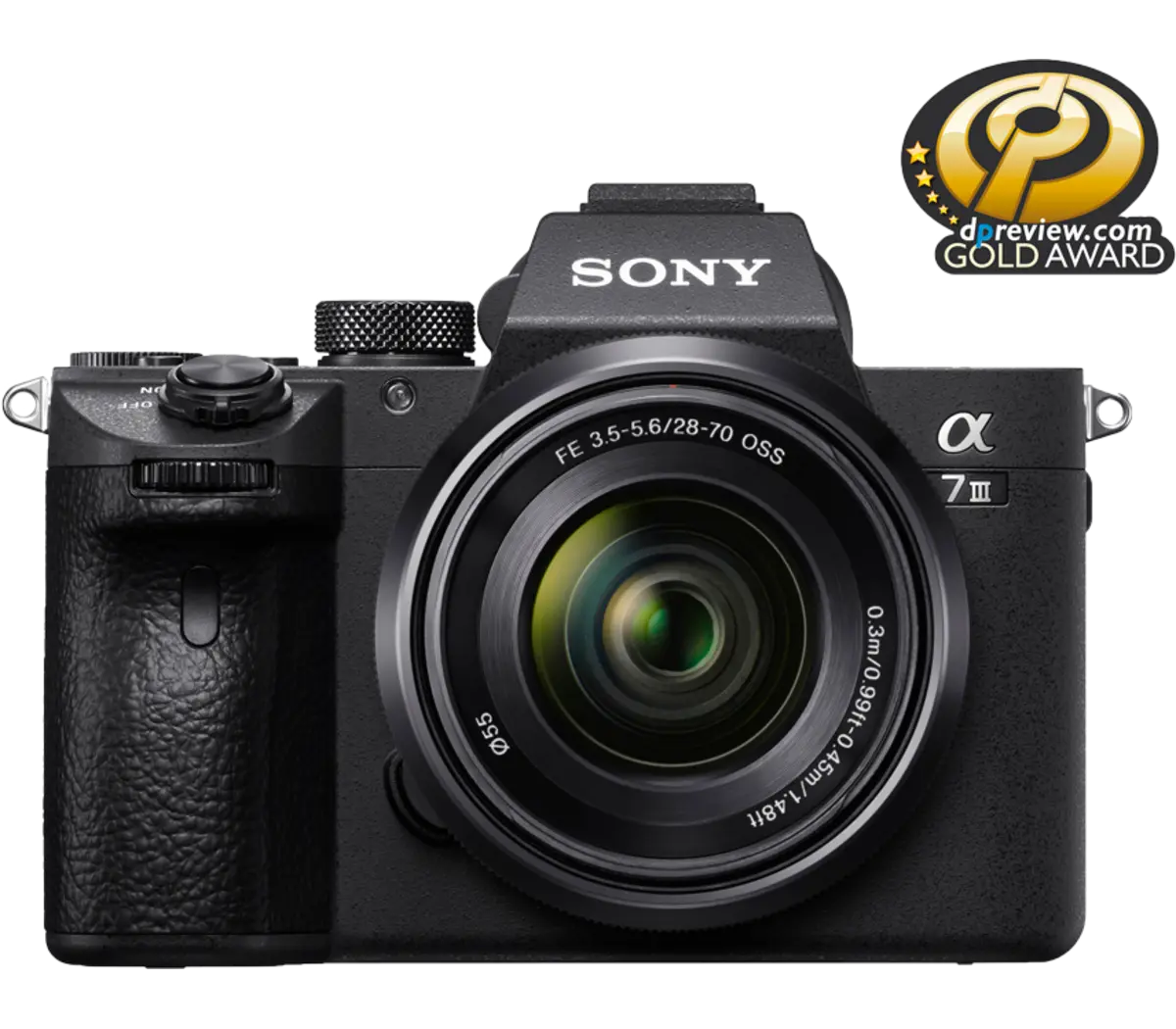
The Sony A1 and the Sony A7 III are two powerful full-frame mirrorless cameras that often find themselves compared by photographers and videographers alike due to their impressive specifications and capabilities. Both models cater to different segments of the photography market, making them popular choices for enthusiasts and professionals. While the A1 represents the premium end with cutting-edge technology, the A7 III has established itself as a versatile workhorse at a much more accessible price point. This comparison will explore the key features that differentiate these two models, helping potential buyers make an informed decision based on their specific needs and budgets.
Specifications Comparison
Detailed Comparison
Image Quality
The Sony A1 boasts a remarkable 50 megapixels, allowing for stunning detail and the ability to crop images extensively without loss of quality. This high resolution caters to professional photographers who require large prints or extensive cropping capabilities for editorial work. The ISO performance is also impressive, with a range of 100-32000 that expands to 50-102400, giving users flexibility in various lighting conditions.
Contrastingly, the Sony A7 III, with 24 megapixels, produces high-quality images suitable for most applications, including landscapes, portraits, and events. Its ISO range of 100-51200, while more limited, still performs exceptionally well in low-light scenarios. The A7 III has proven to be a favorite among wedding photographers who need reliable image quality without necessarily requiring the highest resolution.
Overall, the A1's higher megapixel count and broader ISO range give it an edge in advanced image quality scenarios, making it the preferred choice for professional applications requiring utmost detail.
Autofocus System
Both the A1 and A7 III are equipped with sophisticated autofocus systems that make them highly effective for capturing fast-moving subjects. The A1 features an advanced 759-point phase-detection autofocus (PDAF) system, providing fast and accurate focus even in challenging conditions. This offers a significant advantage for sports and wildlife photographers who need reliable tracking capabilities.
The A7 III, with its 693 autofocus points, is no slouch either. It delivers fast focus acquisition and impressive tracking performance, making it suitable for most general photography tasks. While it may not match the A1 in point count, the A7 III's autofocus system is still robust and dependable.
In terms of overall performance for demanding subjects, the A1 takes the lead with its superior autofocus system. However, the A7 III delivers capable performance for everyday needs, making it an excellent choice for many photographers.
Video Capabilities
When it comes to video, the Sony A1 is packed with advanced features, supporting 4K video recording at up to 120 frames per second (fps). This capability allows for professional-grade slow-motion videos and stunning high-resolution footage. The A1 is well-suited for filmmakers looking to produce high-quality visuals due to its superior video specifications.
On the other hand, the Sony A7 III supports 4K video at up to 30 fps. While it doesn't match the A1 in high frame rate options, it still produces beautiful 4K footage and offers excellent color depth and dynamic range, which is sufficient for most videography needs. The A7 III excels in being user-friendly for beginner filmmakers while still remaining effective for experienced videographers.
For those primarily focused on high-end video capabilities, the A1 clearly shines with its advanced options. However, for photographers who occasionally dabble in video, the A7 III provides a solid alternative at a more accessible price point.
Build & Ergonomics
Both cameras are built with durability in mind, featuring weather-sealing that ensures reliable operation in various conditions. The A1 weighs 737 grams, which is slightly heavier than the A7 III's 650 grams. This weight difference might be significant during long shooting sessions, and the A7 III is perceived as slightly more comfortable to hold for extended periods.
In terms of dimensions, the A1 is marginally larger, which may affect portability for some users. Despite this, the A1's design provides an intuitive interface with more customizable buttons, allowing advanced users to tailor the camera's functions easily.
Ultimately, both models offer excellent build quality, but the choice may boil down to personal preference in handling. The A7 III's lighter weight is an advantage for travel and casual shooting, making it the more ergonomic camera for many users.
Battery & Storage
The A7 III offers an impressive battery life of around 710 shots, which is quite substantial for a mirrorless camera. This extended battery capacity is advantageous for full-day shoots without frequent charging or battery swaps. The A7 III utilizes the NP-FZ100 battery, which has been well-received for its longevity.
While the A1's battery life of about 530 shots is still respectable, it doesn't quite match the endurance of the A7 III. This could be a concern for those who shoot extensively without access to charging options, as users of the A1 may need to carry extra batteries.
When considering storage, both cameras utilize the Sony E mount and deliver high-speed performance, but the more substantial battery life of the A7 III gives it the advantage for those needing longer shoot times without interruptions.
Value for Money
The price difference between the two cameras is significant, with the A1 retailing at approximately $6500 and the A7 III at around $2000. For many photographers and videographers, the A7 III represents excellent value for money, offering solid performance across the board without breaking the bank. Its combination of features makes it a compelling choice for enthusiasts and professionals who need reliable performance without the premium price.
Conversely, the A1 positions itself as a top-tier professional camera, appealing to those needing the latest technology and willing to invest for top-tier performance. It caters to niche markets such as high-end fashion, commercial photography, and filmmakers who demand the best.
Ultimately, for the everyday user, the A7 III offers a far more accessible price point, making it the winner in terms of value. However, for professionals who require the absolute best in image resolution and video capabilities, the A1's price may be justifiable.
Our Verdict
In this comparison, the Sony A1 emerges as the overall winner due to its superior performance in image quality, autofocus, and video capabilities. These features are essential for professional photographers and videographers who demand the highest standards. However, the A7 III excels in ergonomics, battery life, and value for money, making it an exceptional option for enthusiasts and semi-professionals who want a versatile camera without the hefty price tag. Each camera has its strengths, and the best choice ultimately depends on the user's specific needs and budget.