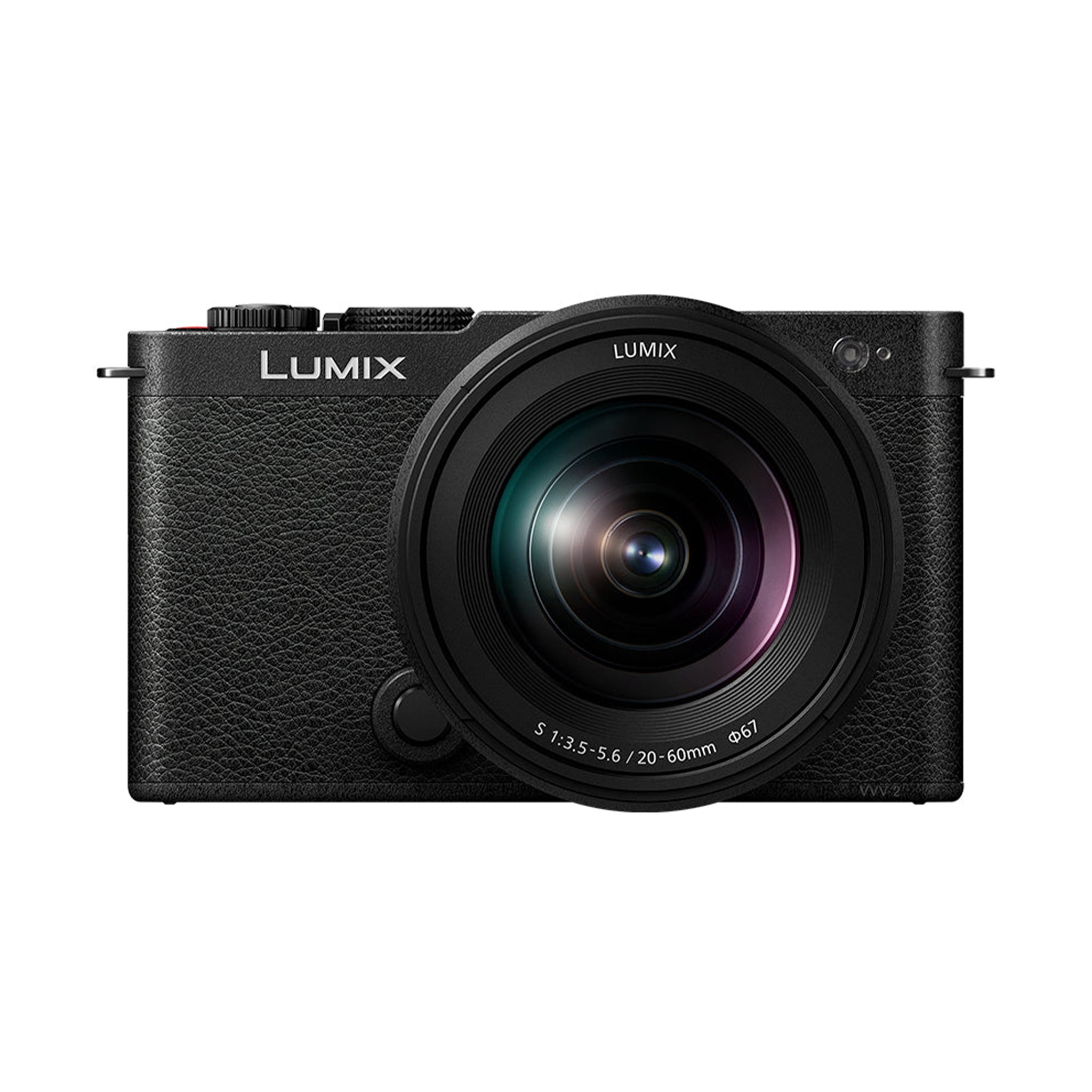
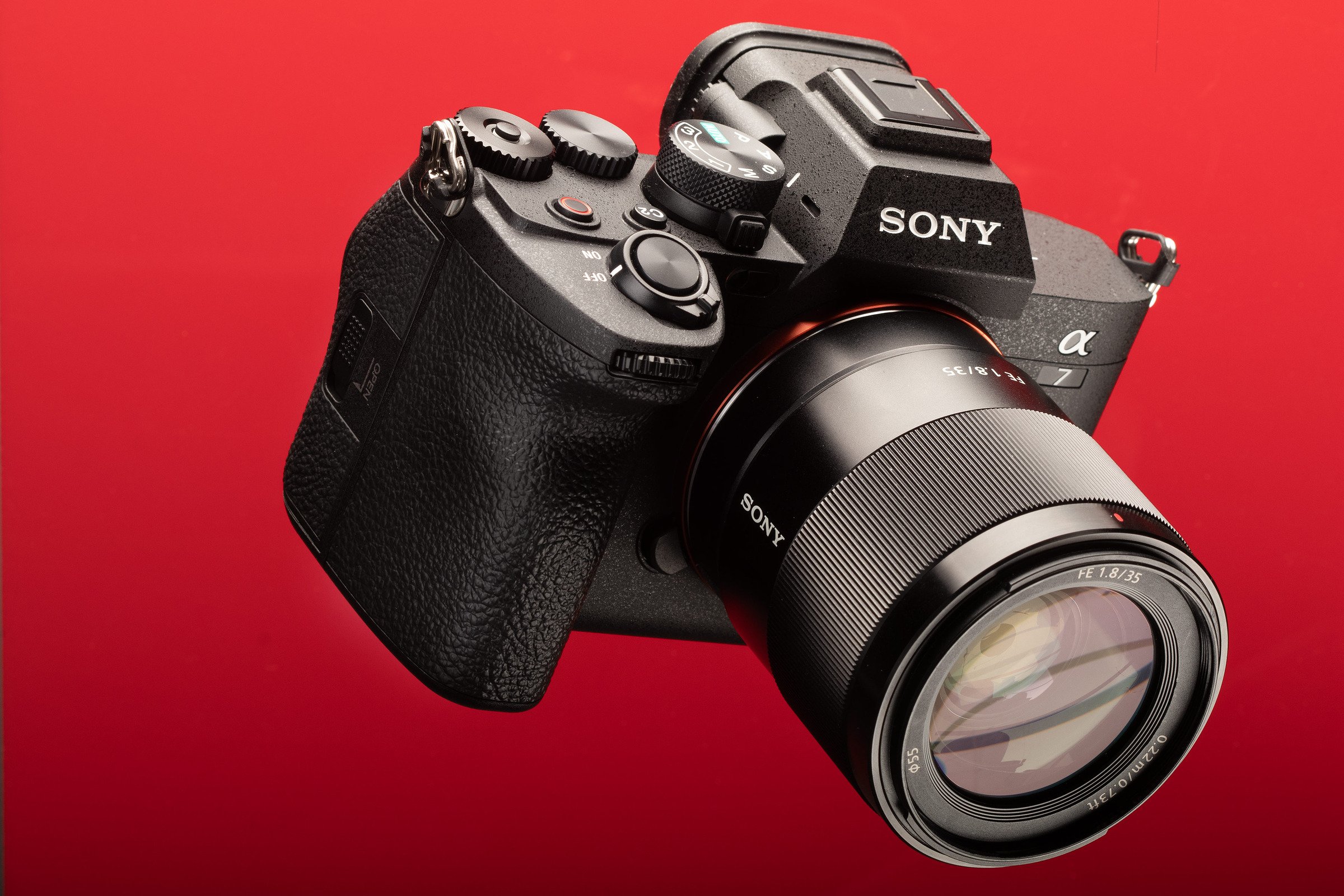
The Panasonic S9 and Sony A7 IV are two compelling mirrorless cameras targeting enthusiasts and professionals alike. Both models offer impressive full-frame sensors and film capabilities, making them popular options for photographers and videographers who prioritize quality. The S9, released in 2024, features advanced specifications tailored for videography, whereas the A7 IV, launched in 2021, stands out in areas such as autofocus performance and image resolution. The decision between these two cameras often boils down to preferences in stabilization, video resolution, and overall design philosophy.
Specifications Comparison
Detailed Comparison
Image Quality
The Panasonic S9 boasts a robust 24-megapixel full-frame sensor, which produces vibrant images with excellent detail and dynamic range. Although it has fewer megapixels compared to the A7 IV, many photographers may find that it is sufficient for most applications, especially for video work. The S9's sensor performs admirably in various lighting conditions, making it a solid choice for low-light photography. Meanwhile, the Sony A7 IV, with its higher resolution 33-megapixel sensor, offers superior image quality in terms of detail capture, which is particularly beneficial for landscape or large prints. Its ISO performance is also exceptional, with a range that extends from 100 to an impressive 51200, expandable to 204800, which allows for more flexibility in low-light scenarios.
When considering color reproduction, both models deliver striking results, but Sony has built a reputation for producing rich and natural colors straight out of the camera. In essence, while the S9 excels in providing quality for video and general photography, the A7 IV takes the lead in megapixel count and sheer detail, making the images crisper and more suitable for cropping and enlarging. Thus, for pure image quality, the Sony A7 IV has the edge.
Autofocus System
Autofocus systems between the two cameras show significant differences, greatly impacting user experience and performance. The Sony A7 IV is equipped with an advanced autofocus system with 759 phase-detection points, making it one of the best in its class. This extensive coverage enables the A7 IV to excel in tracking fast-moving subjects, making it an ideal choice for action photography or videography. Additionally, Sony has implemented real-time Eye AF, which enhances focusing on human and animal eyes, providing an extra level of precision.
In contrast, while the Panasonic S9 features a competent autofocus system, it has not yet reached the level of sophistication offered by the A7 IV. The S9 focuses well in most situations, but it may struggle to keep pace with quick movements during photography of fast sports or wildlife. Users relying on precise focus tracking should consider this aspect carefully. Therefore, when it comes to autofocus capabilities, the Sony A7 IV clearly stands out as the winner.
Video Capabilities
One of the main attractions of the Panasonic S9 is its impressive video capabilities. The S9 supports video resolutions up to 5.9K, allowing filmmakers to create highly detailed and professional-quality footage. Additionally, it maintains options for UHD 4K and DCI 4K, ensuring a wide range of recording standards that can meet various production needs. Furthermore, the 5-axis image stabilization adds an extra layer of smoothness, particularly beneficial for handheld shooting.
On the other hand, the Sony A7 IV is no slouch in the video department, offering 4K video up to 60p. Although its maximum resolution is lower than the S9, the A7 IV does include features such as S-Cinetone for cinematic color science and a wider variety of frame rates and bit rates that suit different filmmaking styles. It also benefits from the impressive autofocus for video, which is a significant consideration for many videographers. In terms of overall video capabilities, the S9 takes the lead due to its higher resolution and versatility in frame rate options.
Build & Ergonomics
In terms of physical build and ergonomics, both models demonstrate strong design choices, but they cater to different user preferences. The Panasonic S9 is compact and lightweight, weighing in at 486 grams, making it easier to carry for long shooting sessions or travel. Its dimensions (126x73.9x46.7 mm) are also conducive to portability, but they may compromise some ergonomics for larger hands.
The Sony A7 IV, weighing 659 grams, is heftier but offers a more substantial grip that many photographers prefer for stability, especially during longer shoots. It also features weather sealing, which provides peace of mind when shooting in variable conditions. The larger screen (3 inches, with 1,036,800 dots) on the A7 IV enhances usability, particularly in bright environments where visibility can be a challenge.
Given these factors, the decision will depend on user priorities: if weight and compactness are paramount, Panasonic S9 is favorable, while if durability and a more ergonomic body are prioritized, the A7 IV would be the better choice. In this aspect, it ultimately results in a tie.
Battery & Storage
Battery performance can significantly influence a photographer's experience in the field. The Sony A7 IV provides a battery life rated for 580 shots, which is respectable and allows for extended shooting sessions without frequent interruptions. It utilizes the NP-FZ100 battery, known for its robust performance in other Sony models as well.
The Panasonic S9, while its battery life is not explicitly stated, utilizes a similar battery that offers decent performance but may fall short against the A7 IV in real-world usage scenarios. Storage-wise, both models offer dual card slots, ensuring that photographers can save enough data, although the S9's overall speed and handling may be slightly lagged in comparison to Sony's superior autofocus capabilities, which can fill storage cards quicker. In this section, Sony's A7 IV takes a definitive lead due to its superior battery life and overall performance.
Value for Money
When considering price, the Sony A7 IV is priced at $2499, which reflects its high performance across various metrics, including image quality, autofocus, and battery life. This pricing may be justified by enthusiasts looking for a multi-functional camera, particularly in hybrid shooting scenarios that prioritize both stills and video.
The Panasonic S9's pricing is not stated but is expected to be competitive given its advanced video capabilities and full-frame sensor performance. Although it may attract buyers looking primarily for video functionality or specific features like higher video resolution, if priced similarly to the A7 IV, it would have to weigh value-to-performance ratios carefully.
For users primarily interested in hybrid shooting, the A7 IV offers better overall performance and additional features for the price, giving it the upper hand. However, if a buyer's focus is primarily on video production with the latest technology, the S9 could be seen as highly valuable. Ultimately, the A7 IV emerges stronger in the value for money category overall due to its overall feature set.
Lens Ecosystem
Lens availability is critical for mirrorless camera users, especially when looking for specific focal lengths and optical quality. The Sony A7 IV utilizes the Sony E mount, which has a wide array of lenses available, ranging from budget to high-end professional options. The extensive ecosystem and third-party support mean that shooters can easily find the right lens for their needs, whether it be wide-angle for landscapes or fast primes for portraits.
In contrast, the Panasonic S9 relies on the L-Mount, which is supported by brands like Sigma and Leica. While the selection of lenses is expanding, it does not yet reach the breadth of options available for Sony E mount users. This may be a drawback for those who rely heavily on specialized lenses to achieve specific effects or who desire a wide range of focal lengths.
Therefore, in regard to lens ecosystem and availability, the Sony A7 IV is the clear winner as it offers a more extensive range of choices, ensuring greater flexibility for users.
Our Verdict
Overall, the Sony A7 IV emerges as the winner in this comparison due to its superior image quality, autofocus capabilities, and established lens ecosystem. While the Panasonic S9 shines in video capabilities with its impressive 5.9K resolution and lighter design, the A7 IV provides a well-rounded package that appeals to hybrid shooters. The A7 IV's performance in still photography and versatility make it the better choice for most users. However, videographers focused on higher resolution video may find that the S9 meets their specific needs better.