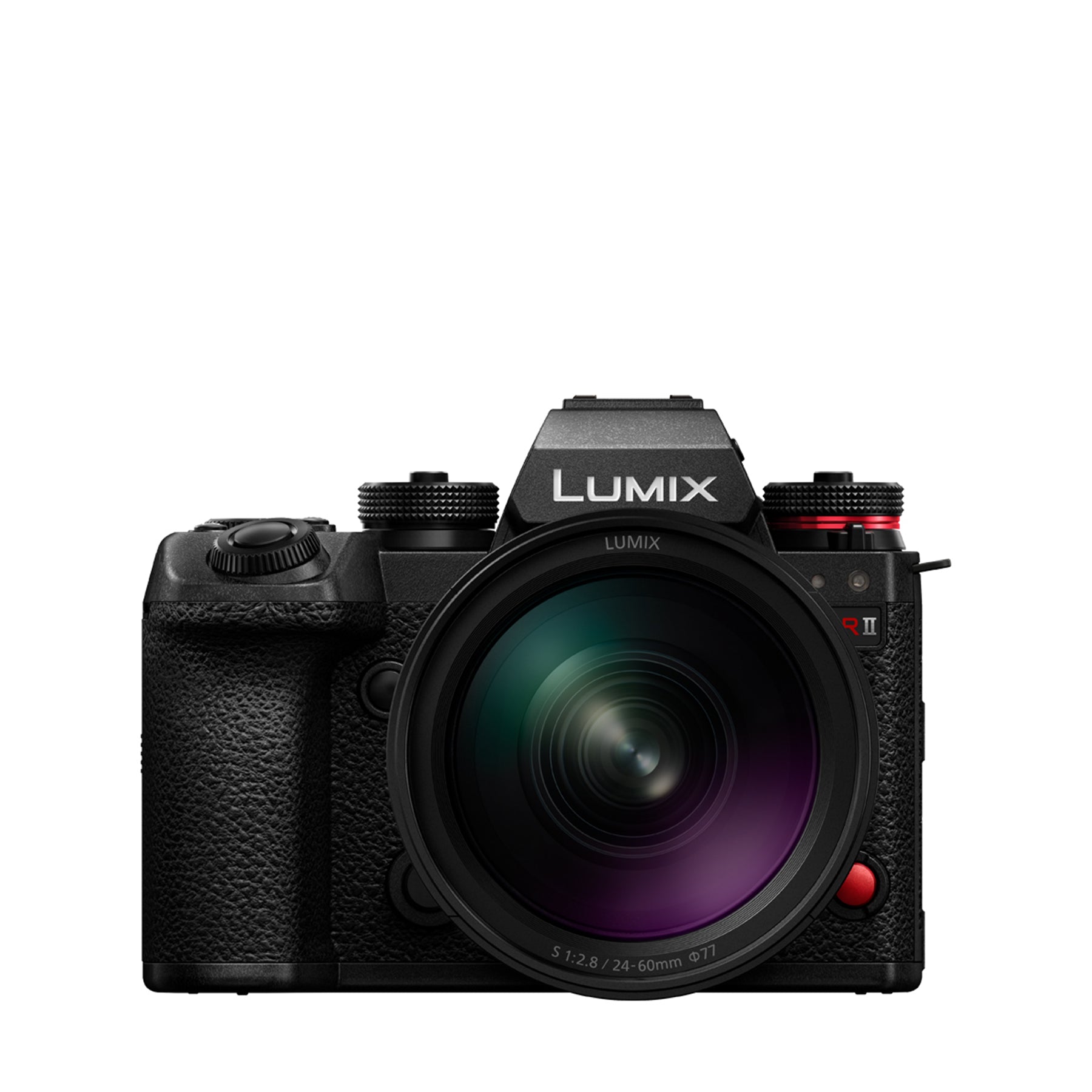

The Panasonic S1R II and the Sony A7S III are two high-end full-frame mirrorless cameras that cater to different segments of photographers and videographers. The S1R II, with its impressive 44.3 megapixels and 8K video capabilities, is designed for those seeking high-resolution imagery, particularly in landscapes and studio settings. On the other hand, the A7S III, known for its exceptional low-light performance and video functionalities, is well-suited for filmmakers and content creators who prioritize versatility and reliability in dynamic environments. Buyers often find themselves considering these models due to their competitive features and slightly divergent target audiences.
Key differentiators between these two models include their sensor resolution, autofocus capabilities, video performance, and overall ergonomics. Each camera brings unique strengths and weaknesses that influence the decision based on specific usage scenarios, whether for still photography, cinematic filmmaking, or hybrid content creation.
Specifications Comparison
Detailed Comparison
Image Quality
When it comes to image quality, the Panasonic S1R II is a clear standout. With its 44.3-megapixel sensor, it offers incredible detail and resolution, making it an ideal choice for landscape photographers or anyone needing large prints. The high pixel count allows for substantial cropping without loss of quality, expanding creative possibilities. In contrast, the Sony A7S III features a much lower resolution of 12 megapixels. However, this resolution is optimized for exceptional low-light performance and dynamic range, enabling beautiful images in challenging lighting conditions. While the A7S III excels in situations where noise and dynamic range are critical, the S1R II offers more versatility given its higher resolution.
In practical terms, the S1R II is likely to deliver sharper, more detailed images in well-lit conditions, while the A7S III shines in dynamic environments where lighting can change rapidly. Thus, for those prioritizing still photography and high-resolution images, the S1R II is the preferred choice. However, the A7S III should not be discounted, as its ability to produce clean images at high ISO settings compensates for its lower pixel resolution in specific applications.
Autofocus System
The autofocus systems of both cameras demonstrate significant advancements in technology, but they cater to different needs. The Sony A7S III boasts an impressive 759 autofocus points, offering near-instantaneous focus acquisition, especially useful in video shooting where movement and changing scenes are the norm. With cutting-edge Eye-AF technology, it excels in tracking moving subjects, making it ideal for wildlife or event photography.
In contrast, the Panasonic S1R II's autofocus system has not been as widely praised, lacking the same number of focus points (specific count not provided). Although it performs well in general shooting scenarios, it may fall short in dynamic, fast-paced situations compared to the A7S III. Therefore, while both systems are capable, the A7S III provides superior performance in autofocus tracking and speed.
For users who depend on fast, responsive autofocus, particularly for video or action shots, the A7S III is the clear winner. However, those who prioritize high-resolution stills may find the AF capabilities of the S1R II adequate for their needs. Ultimately, the choice here largely depends on the user's primary focus, be it stills or video.
Video Capabilities
The video capabilities of both cameras highlight their strengths, catering to distinct audiences. The Panasonic S1R II supports 8K video recording at 30p, along with 4K at 120p, making it an excellent option for high-resolution video content and future-proofing filmmakers. Its robust video functionalities indicate a clear commitment to capturing high-quality moving images, which is crucial for professional videography.
On the other hand, while the Sony A7S III does not support 8K, its 4K video recording at an impressive 120p is superior in terms of real-time performance and usability. The A7S III is designed specifically for videographers, boasting features such as 10-bit 4:2:2 internal recording, excellent low-light performance, and high dynamic range capabilities. These features make it better suited for live events or quick turnaround work.
In summary, the S1R II shines in terms of resolution and future-proofing with 8K, while the A7S III offers a more refined and optimized video experience for serious videographers, emphasizing real-world application over resolution. For dedicated videographers, the A7S III might be the more sensible choice; however, for those looking for high-resolution video, the S1R II takes the lead.
Build & Ergonomics
Both cameras are built with durability in mind, yet their ergonomics differ significantly. The Panasonic S1R II features a robust body design that is weather-sealed, ensuring it can withstand harsh conditions, making it more suited for outdoor photography. Its larger grip and layout are appreciated by users who prefer a substantial feel in hand, especially during long shoots. The camera also supports a variety of controls and a high-resolution EVF, enhancing user familiarity and operation ease.
Conversely, the Sony A7S III is notably lighter and more compact, weighing 699 grams. This makes it a more portable option for filmmakers who may need to carry their gear for extended periods. The placement of buttons and a tilting LCD screen offer user-friendly functionality, particularly for vlogging or shooting at unconventional angles. Despite its smaller size, it still maintains weather-sealing, which is a plus for outdoor filming.
In conclusion, the choice between the two will come down to personal preference in handling. Those looking for comfort during a long shooting experience may lean towards the S1R II, while those needing portability and ease of use may prefer the A7S III. From an ergonomic standpoint, each has its merits.
Battery & Storage
Battery life can significantly affect workflow, particularly for photographers and videographers who shoot for extended periods. The Sony A7S III stands out with a commendable battery life of approximately 600 shots, which is particularly useful during long shooting days or events where changing batteries may not be feasible. It also supports dual card slots, which provide ample storage flexibility and redundancy for critical footage.
In contrast, specific battery life specifications for the Panasonic S1R II are not as well-documented, but it generally has less impressive endurance due to the higher demand of running a 44.3 megapixel sensor and 8K video recording. This may result in more frequent battery swaps during intensive sessions. Additionally, while it also features dual card slots, the storage formats supported may differ from those of the A7S III, which can affect user experience depending on workflow needs.
Overall, if battery endurance and storage reliability are prime concerns, the A7S III takes the edge. However, the S1R II's performance should not deter users who can manage their power needs effectively, especially those focused on high-res still photography.
Value for Money
When evaluating value for money, it is imperative to consider the intended use of the camera. The Panasonic S1R II is priced at a premium level owing to its high-resolution capabilities, which appeals primarily to professional photographers who require the utmost detail in their images. This makes it an investment for those focused on still imagery and who will leverage its full capabilities.
The Sony A7S III is likewise on the higher end of the price spectrum. However, its excellent video capabilities, robust autofocus system, and lower light performance make it an invaluable tool for filmmakers and content creators. Given its performance versatility, many users feel that the price reflects not just a camera, but a complete solution for high-quality videography.
When assessing which camera provides greater value, it can be subjective based on the user's needs. Photographers might find the S1R II to be more worthwhile for its high resolution, whereas filmmakers might see the A7S III as a better fit due to its optimized video performance. Ultimately, each camera offers value in contexts aligned with its strengths.
Lens Ecosystem
The lens ecosystem can significantly influence a photographer's or videographer's experience. Sony's E-mount lens system is extensive, with a diverse range of high-quality lenses spanning various focal lengths and price points. This established ecosystem not only supports a vast selection of prime and zoom lenses but also allows for effective third-party options, enhancing the versatility of the A7S III.
Panasonic's L-mount system, while growing, does not match the breadth of Sony's offerings. However, it includes high-quality lenses from partners like Leica and Sigma, expanding choices for S1R II users. Moreover, the collaboration with other L-mount companies assures users that there are reliable options available for their needs.
Choosing between the two ecosystems may rely on the long-term investment in lenses and the availability of specific focal lengths that suit the buyer's shooting style. In terms of variety and choice, particularly for those reliant on specific functionality in a lens, Sony's lens ecosystem is currently more robust.
Our Verdict
Overall, while the Panasonic S1R II excels in image quality and future-proof video resolution, the Sony A7S III proves itself to be the more well-rounded choice based on its real-world performance, particularly in dynamic shooting conditions and low-light scenarios. The A7S III's superior autofocus, extensive lens ecosystem, and impressive video capabilities solidify its position as the better option for most videographers and hybrid shooters. Conversely, for those prioritizing high-resolution stills and the ultimate image quality in controlled environments, the Panasonic S1R II remains a strong candidate. Depending on the primary focus of a user-whether it be high-resolution photography or flexible video production-the final choice should reflect their unique photography and videography needs.
Panasonic S1R II
Sony A7S III
Also Compare
Frequently Asked Questions
Which camera is better for low-light performance?
The Sony A7S III is superior in low-light performance due to its optimized sensor and lower megapixel count, allowing for cleaner images at higher ISO settings.
Is 8K video worth it?
If your work demands high-resolution video for extensive cropping or future-proofing, the Panasonic S1R II's 8K capabilities could be beneficial. However, for most current applications, 4K is sufficient.
What is the best choice for landscape photography?
The Panasonic S1R II is ideal for landscape photography due to its high-resolution sensor capture vast detail needed for expansive scenes.
How does autofocus performance compare between them?
The A7S III features significantly more autofocus points and superior tracking capabilities, making it more effective for fast-moving subjects and dynamic video work.
Are the lenses interchangeable between the two cameras?
No, the Panasonic S1R II uses the L-mount system, whereas the A7S III uses the E-mount system. Adapters exists but may not maintain full functionality.
Which camera offers better video specifications?
The Panasonic S1R II offers 8K video recording, while the Sony A7S III excels with better real-world usability at 4K, including features like 10-bit 4:2:2 recording.