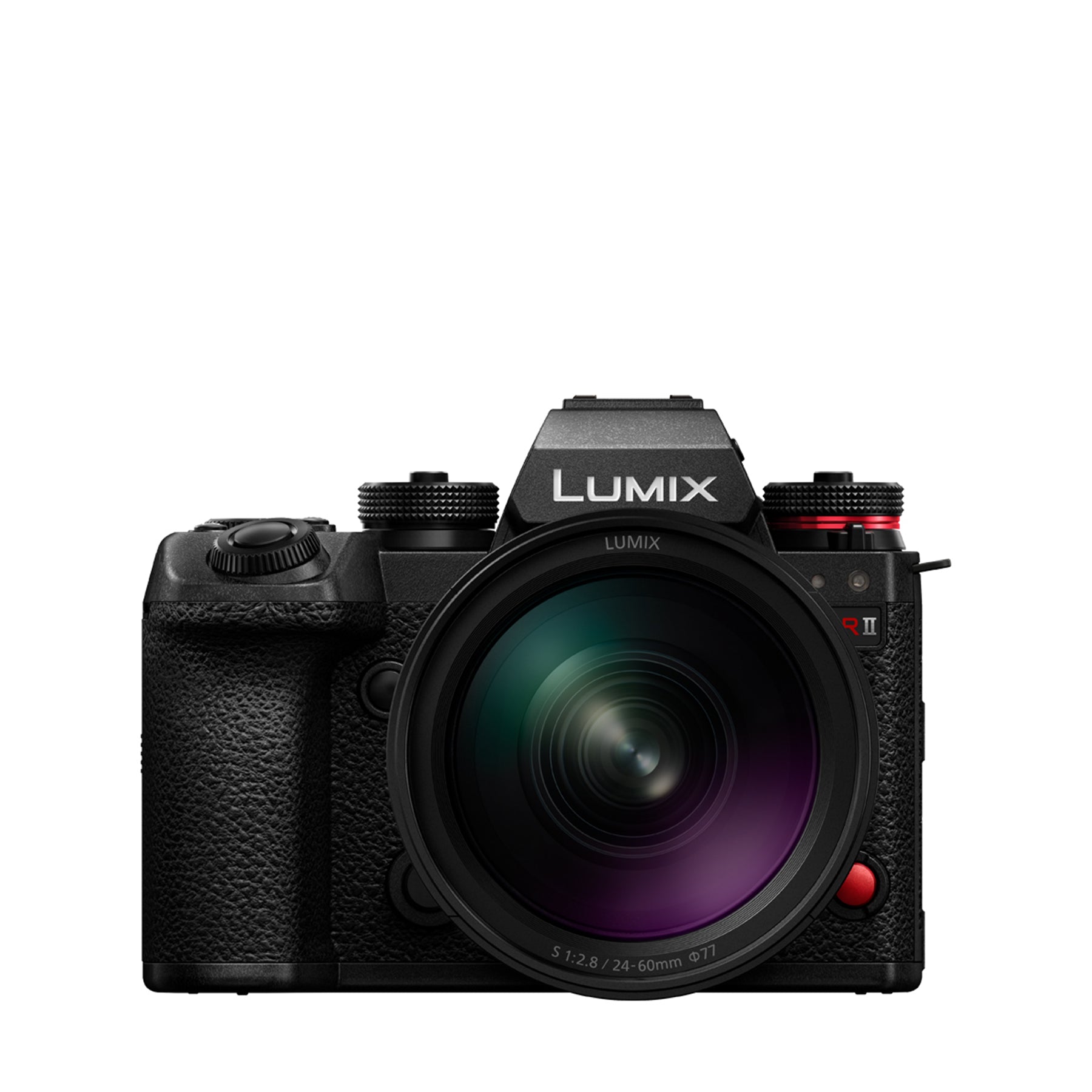
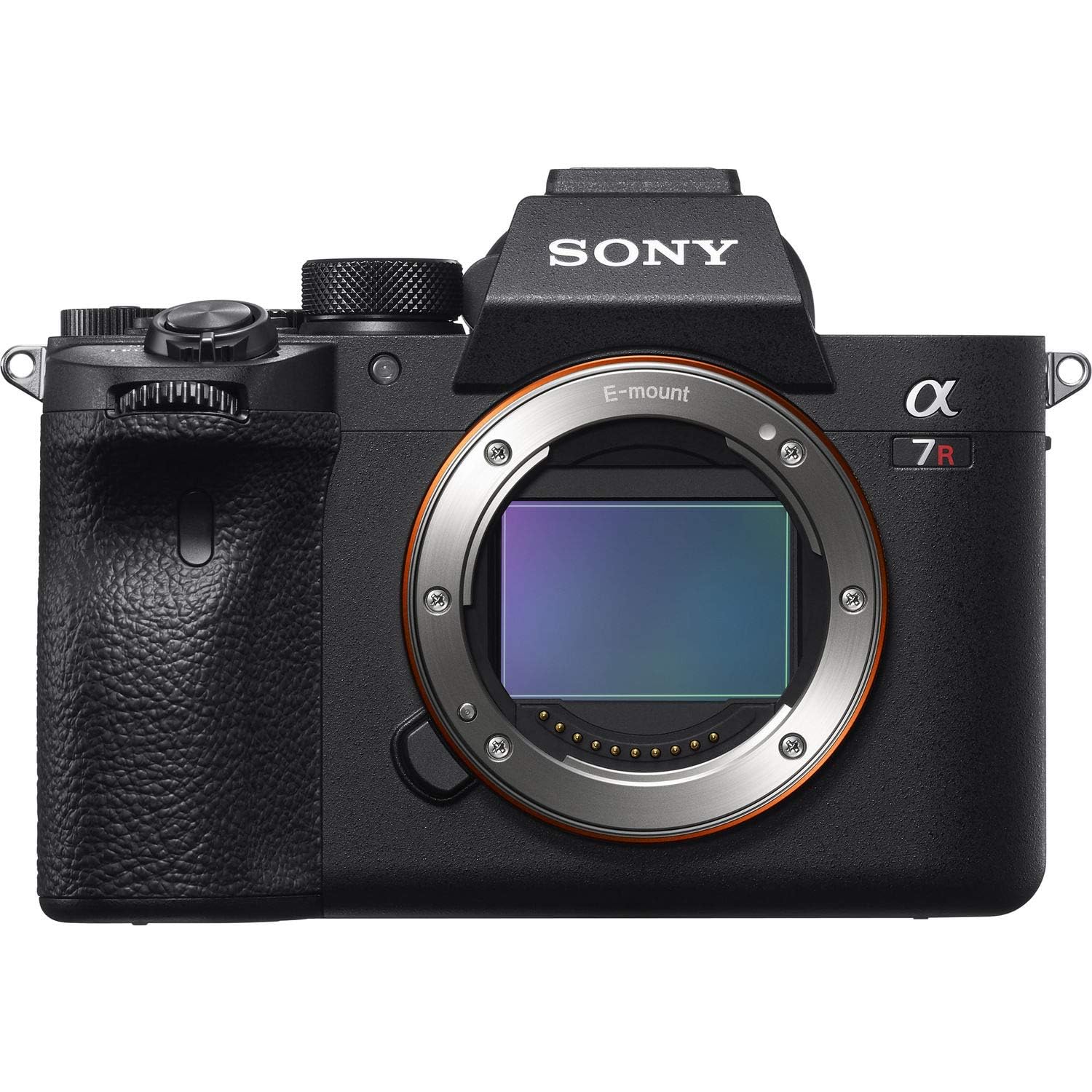
The Panasonic S1R II and Sony A7R IV are two formidable full-frame mirrorless cameras that attract photographers and videographers alike. Both models are often compared due to their high-resolution sensors, impressive features, and robust builds, making them attractive options for professionals and enthusiasts looking for versatile tools. Users looking to choose between these cameras may be specifically interested in aspects such as image quality, autofocus performance, video capabilities, and overall value for money, which are critical factors when investing in high-end gear.
Specifications Comparison
Detailed Comparison
Image Quality
The Panasonic S1R II boasts an impressive 44.3-megapixel full-frame sensor, while the Sony A7R IV leads with a staggering 61-megapixel sensor. This difference translates to finer details and increased cropping versatility on the A7R IV. However, the S1R II benefits from its sensor-shift stabilization, which can improve image quality by allowing for slower shutter speeds without the risk of motion blur. In practical terms, both cameras deliver exceptional image performance with excellent dynamic range and color depth, suitable for high-resolution print work.
Autofocus System
The autofocus system in the Sony A7R IV is highly regarded thanks to its 567 phase-detection points and excellent eye-tracking capabilities, making it a favorite among portrait and wildlife photographers. Conversely, while the Panasonic S1R II has a solid autofocus system, the number of autofocus points is not explicitly mentioned, and it generally remains behind the A7R IV in rapid shooting scenarios. This makes the A7R IV more reliable for fast-moving subjects, especially in low-light environments where autofocus precision is crucial.
Video Capabilities
When it comes to video, the Panasonic S1R II excels with its ability to shoot in 8K at 30 frames per second and 4K at 120 frames per second. This versatility makes it highly appealing for videographers seeking high-resolution video options. In contrast, the Sony A7R IV can only shoot 4K at 30 frames per second, limiting its potential for higher-quality video production. Those looking primarily for a video-centric camera might lean towards the S1R II due to its superior video specifications.
Build & Ergonomics
Both cameras are built to last, featuring robust weather-sealed bodies that are resistant to dust and moisture. The Sony A7R IV is slightly lighter, weighing in at 655g compared to the Panasonic S1R II, which offers a more substantial feel that appeals to some users. Ergonomically, both designs are optimized for extended use, though personal preference plays a significant role in choosing one over the other. The A7R IV's dimensions might be more compact, but the S1R II's heft can provide a sense of durability and stability with larger lenses.
Battery & Storage
The battery life for the A7R IV is rated at approximately 670 shots per charge, while specifics for the S1R II are not detailed but are expected to be competitive given the overall efficiency of Panasonic's design. Both cameras accept SD cards, but the S1R II also supports CFexpress Type B cards, which offer faster write speeds ideal for high-resolution video and continuous shooting. Thus, for photographers and videographers who often shoot large files, the S1R II may have the edge in flexibility concerning storage solutions.
Value for Money
Pricing is an essential factor for comparison. The Sony A7R IV retails around $3500, which offers a higher resolution and excellent autofocus, making it a solid investment for serious photographers. The Panasonic S1R II commands a competitive price, but the added video capabilities and potential benefits for specialized workflows could justify the expense for those prioritizing video in addition to stills. Ultimately, the best value for money will depend on the specific needs of the user and whether they prioritize resolution, video capabilities, or a balanced feature set.
Lens Ecosystem
Sony's E-mount lens ecosystem is extensive and well-established, offering a wide variety of native lenses, including high-quality options for both photography and videography. This advantage makes the A7R IV more appealing for those who wish to expand their lens collection over time. On the other hand, Panasonic has been expanding its lens offerings for the L-mount system; however, it still does not match the breadth and availability of lenses compared to Sony. Therefore, for users who aim to build a diverse lens collection, the A7R IV provides a clearer path with more options available.
Our Verdict
Overall, while both cameras shine in their respective areas, the Sony A7R IV emerges as the overall winner, particularly for photographers focused on high-resolution captures and advanced autofocus capabilities. The Panasonic S1R II, however, is the better option for users needing high-quality video recording features. Buyers will need to consider their priorities: if resolution and autofocus are key, the A7R IV is ideal; for videography and unique stabilization needs, the S1R II stands out.
Panasonic S1R II
Sony A7R IV
Also Compare
Frequently Asked Questions
Which camera performs better in low light?
Both cameras perform admirably in low light, but the Sony A7R IV's autofocus system and extended ISO range offer better results in such conditions.
Is the Panasonic S1R II good for video recording?
Yes, the S1R II is particularly strong for video with its capability of shooting 8K footage, making it a top choice for professional videographers.
What kind of photography is each camera best suited for?
The Sony A7R IV excels in portrait, landscape, and event photography due to its high resolution and fast autofocus, while the Panasonic S1R II is excellent for action and video-related photography.
How do these cameras compare in terms of durability?
Both cameras are weather-sealed and built to endure harsh conditions, though the build quality feels more substantial in the S1R II due to its weight.
What should I consider when choosing between these two cameras?
Consider your primary use case. If you prioritize high-resolution images and robust lens options, the A7R IV is ideal. For those needing superior video capabilities, the S1R II is the better choice.