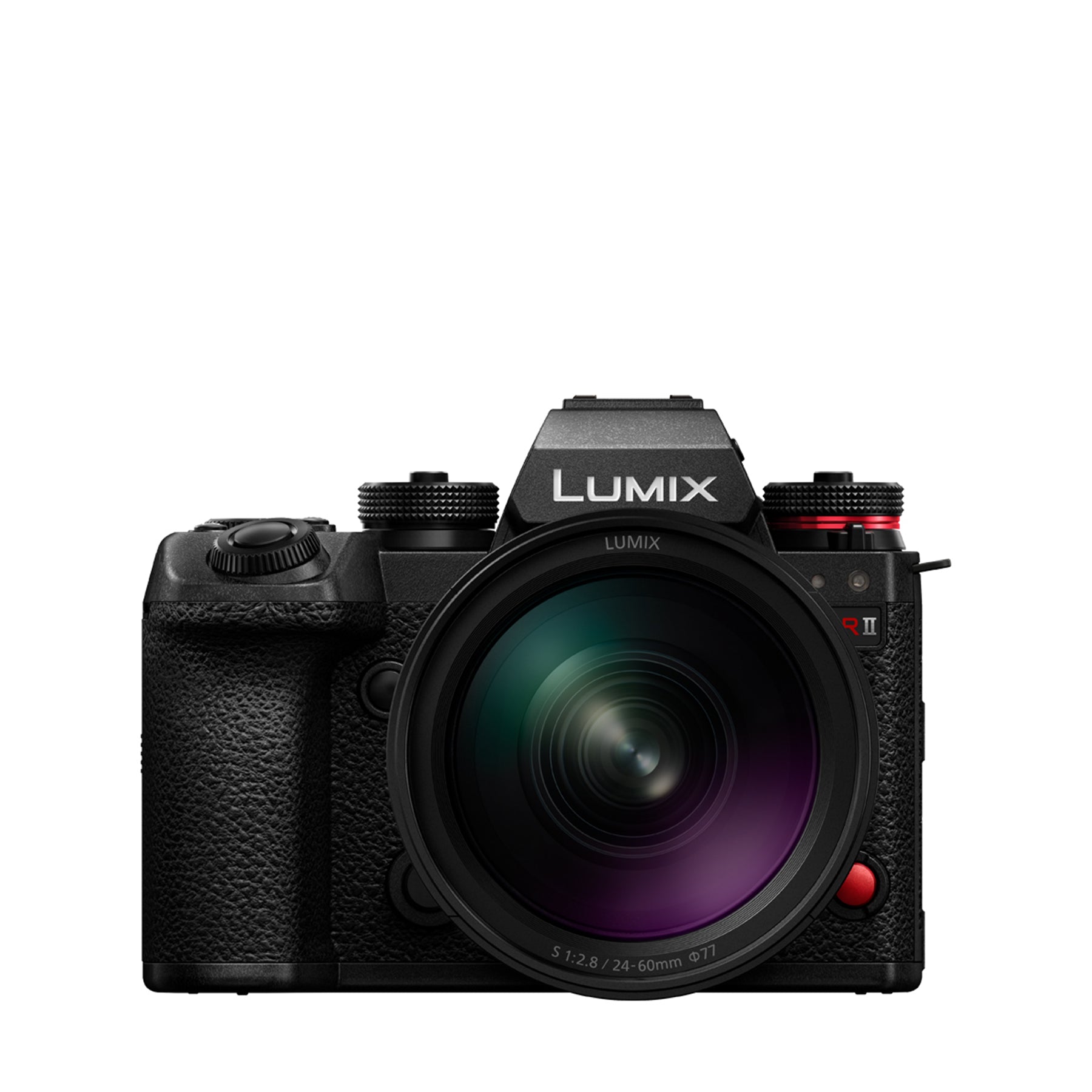
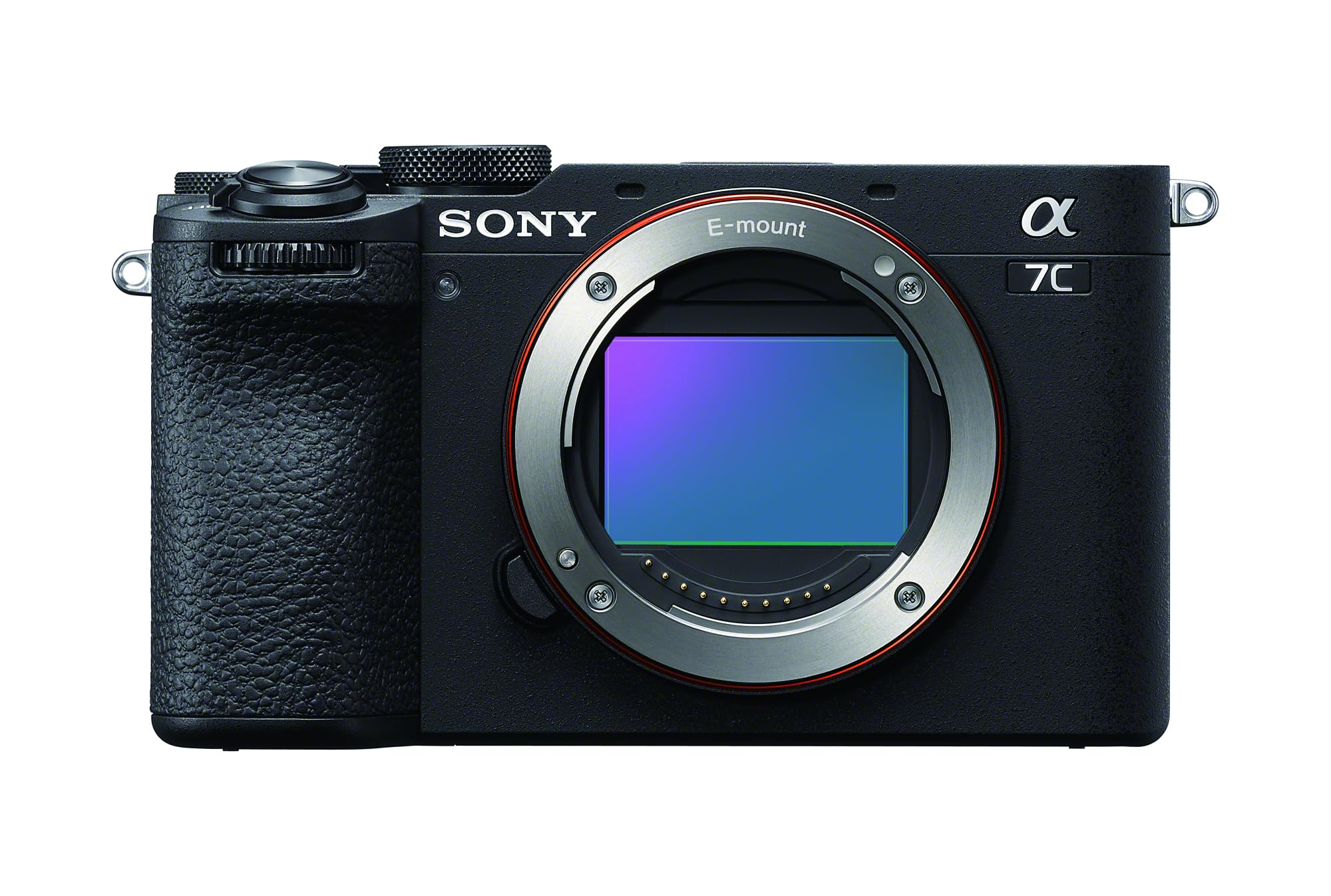
The Panasonic S1R II and the Sony A7C II are two notable mirrorless cameras that cater to both professional photographers and serious enthusiasts looking for high-quality imaging tools. Both systems boast full-frame sensors, but they diverge significantly in features, performance, and design. Potential buyers may be torn between the high resolution and advanced video capabilities of the S1R II versus the compact design and robust autofocus system of the A7C II. As each of these cameras appeals to different user priorities, understanding their key differentiators is crucial for making an informed decision.
Specifications Comparison
Detailed Comparison
Image Quality
Image quality is often a deciding factor for photographers, and here the Panasonic S1R II has an edge. With a staggering 44.3 megapixels, this camera is tailored for high-resolution imaging, making it an excellent choice for landscape photographers and those needing detailed prints. Coupled with a full-frame sensor, users can expect exceptional detail and dynamic range in various lighting conditions.
In contrast, the Sony A7C II has 33 megapixels, which, while still providing excellent quality, falls short of the S1R II. However, the A7C II shines in its superior ISO range, with the ability to expand up to 204800, allowing for great performance in low-light situations. Thus, while the A7C II may produce images with slightly less resolution, its flexibility in ISO settings gives it an edge in challenging lighting.
Given these factors, the S1R II remains the clear winner in terms of sheer image resolution and detail, making it the preferable choice for those prioritizing image fidelity above all.
Autofocus System
When it comes to autofocus performance, the Sony A7C II is a standout, featuring an impressive 759 autofocus points that provide fast and accurate focusing capabilities. This makes the A7C II especially appealing for action photography and capturing moving subjects. Coupled with its intelligent Real-Time Eye Autofocus, it excels in various scenarios, particularly in real-time tracking of subjects.
On the other hand, the Panasonic S1R II does not publicly specify the number of autofocus points, suggesting a more basic system in comparison. While it provides solid focus performance for still subjects, it may not match the instantaneous tracking capabilities and reliability of the A7C II in fast-paced scenarios.
Thus, in the realm of autofocus, the A7C II is clearly the winner, markedly better suited for wildlife, sports, and any dynamic setting.
Video Capabilities
Video professionals may find the S1R II's capabilities particularly appealing, offering 8K video at 30p and 4K up to 120p. This range allows filmmakers an incredible level of detail and flexibility, making it a superior choice for videography, especially for capturing high-resolution content in various formats.
Conversely, while the A7C II supports 4K video, its maximum frame rate is limited to 60p. For many casual videographers, this may still be sufficient; however, it lacks the higher resolution and frame rate options that professionals might demand.
In terms of total video versatility, the S1R II stands out as the winner due to its advanced resolution and frame rate capabilities, appealing to those who value high-quality video production.
Build & Ergonomics
The Sony A7C II is lightweight and compact with dimensions of 124 x 71 x 63 mm and weighs 514 grams, making it one of the most portable full-frame options available. This make it particularly appealing for travel photographers or those who prefer a minimalistic setup without sacrificing image quality. It also features weather-sealing, providing added protection against the elements, which is crucial for outdoor shooting.
In contrast, the Panasonic S1R II is larger and heavier, which can be less convenient for extended use. However, this bulkiness often translates to a more substantial grip and stability during shooting. While it does have weather-sealing, the weight may not suit everyone, especially those who prioritize portability.
Overall, for those prioritizing compactness and portability, the A7C II takes the lead, appealing to travel and street photographers who need to pack light.
Battery & Storage
Battery life is a crucial consideration, especially for those who spend a full day shooting. The Sony A7C II boasts an impressive battery life of approximately 540 shots, making it suitable for longer shooting sessions without worrying about running out of power.
In contrast, while the Panasonic S1R II's specific battery life isn't provided in the specs, it's generally known for consuming more battery, particularly when utilizing 8K video and high-resolution features. Therefore, it may require more frequent charging or additional battery packs for extended uses.
Given these differences, the A7C II clearly offers a more reliable battery performance, making it more appealing for videographers or photographers who shoot for longer durations.
Value for Money
In terms of pricing, the Sony A7C II is set at around $2200, which could be considered a reasonable investment for a full-frame camera with significant autofocus capabilities, compact design, and reliable performance, especially for enthusiasts who prioritize portability.
On the other hand, while pricing details for the Panasonic S1R II aren't provided, it is generally assumed to occupy a more premium price bracket in line with its superior specifications, particularly in resolution and video capabilities. This may intimidate budget-conscious buyers. However, for professionals who require high performance in image quality and videography, the investment could be justified.
For value, the A7C II represents a better financial choice for those looking to maximize features without breaking the bank, especially considering its strong all-around performance and portability.
Our Verdict
In analyzing the aspects of image quality, autofocus, video capabilities, ergonomics, battery life, and value for money, the Sony A7C II emerges as the overall winner due to its superior portability, outstanding autofocus system, and cost-effectiveness. While the Panasonic S1R II excels in resolution and video capabilities, its bulkier design and potentially higher price may deter some users. The A7C II is the ideal choice for travel and street photographers who need a reliable, compact camera that can perform well in most situations, whereas the S1R II is best suited for professionals who need the highest image quality and video versatility.