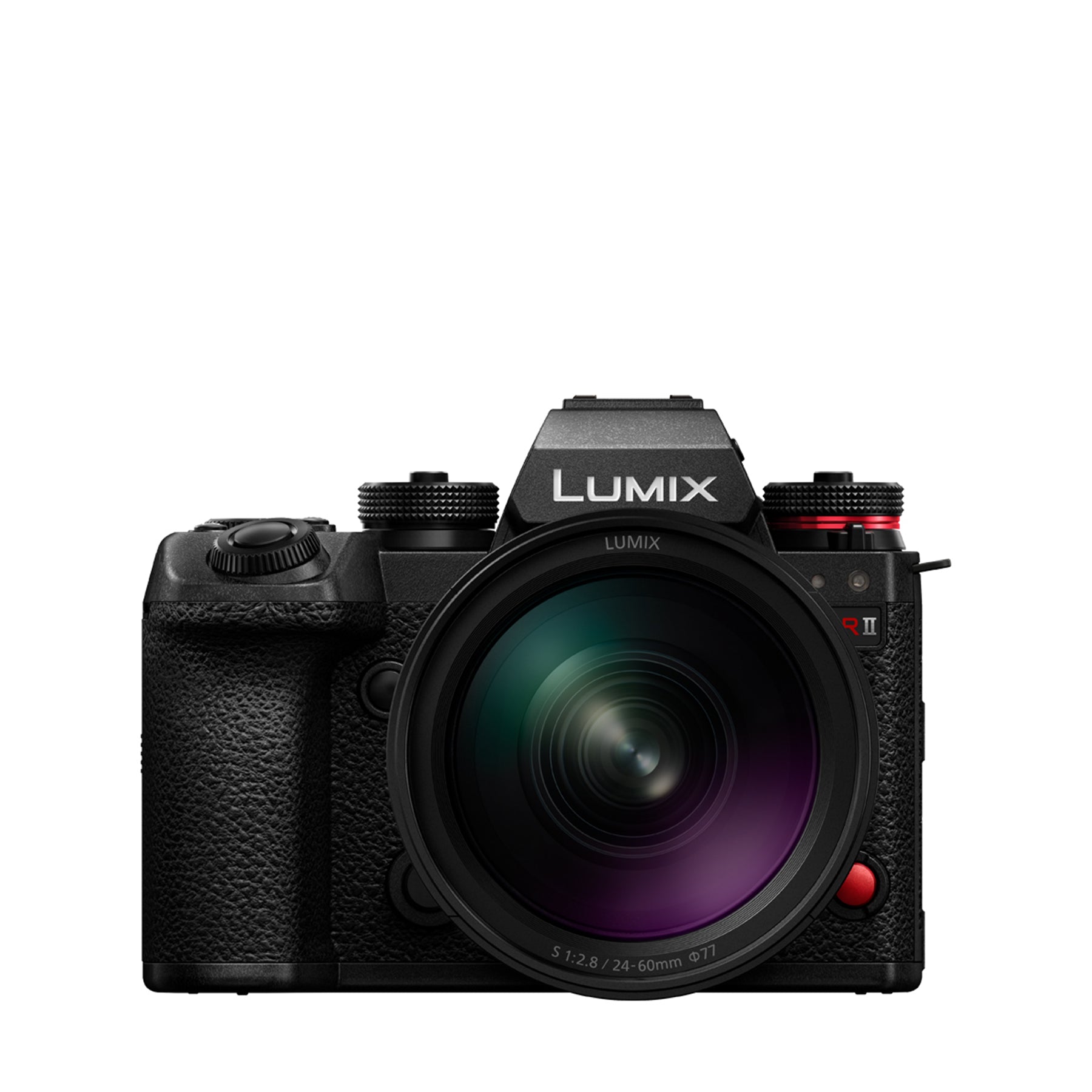
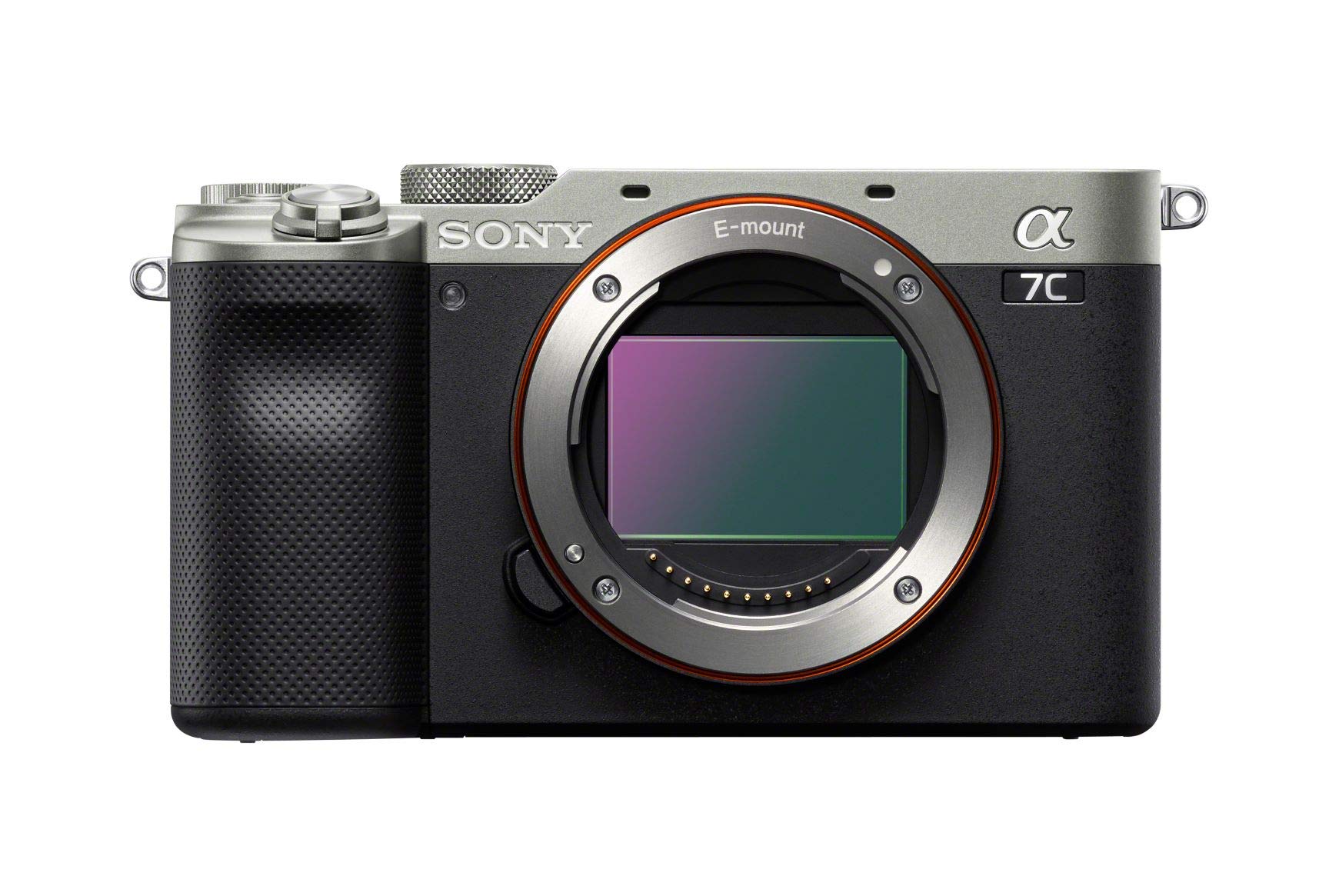
The Panasonic S1R II and the Sony A7C are two compelling full-frame mirrorless cameras that target different types of photographers. The S1R II is designed with high-resolution image capture in mind, appealing to professional photographers and high-end enthusiasts who prioritize image quality for landscape, portrait, and studio work. On the other hand, the Sony A7C is more compact and lightweight, making it an excellent choice for vloggers, travelers, and those who prioritize portability without sacrificing too much in terms of performance. The key differentiators between these two cameras lie in their sensor resolutions, autofocus capabilities, video features, and ergonomics, which cater to distinct use cases.
Specifications Comparison
Detailed Comparison
Image Quality
The Panasonic S1R II boasts a staggering 44.3 megapixels, providing unparalleled resolution that is exceptional for large prints and intricate details. Its full-frame sensor is designed to capture as much light as possible, delivering impressive dynamic range and clarity, even at high ISO settings. This camera is particularly advantageous for studio photographers and those who frequently crop their images post-production as the high resolution retains image details remarkably well.
Conversely, the Sony A7C has 24 megapixels, which while lower than its competitor, is still more than adequate for most photography, particularly for online sharing and standard prints. The A7C benefits from a robust ISO range, enabling it to perform admirably in low-light situations; however, it may not capture as much detail in bright conditions as the S1R II. Users who primarily shoot for digital screens might find the A7C's resolution meets their needs without the bulk of a higher-megapixel camera.
The difference in resolution heavily favors the Panasonic S1R II, making it the clear winner for those requiring the highest image fidelity. However, for casual users, the A7C still provides excellent image quality without the need for the extensive data management that comes with higher resolution files.
Autofocus System
The Sony A7C features an advanced autofocus system with 693 phase-detection points, allowing for rapid and precise focusing even on fast-moving subjects. This makes the A7C particularly suitable for action photography, such as sports or wildlife. The camera's autofocus system is known for its eye-tracking capabilities, which is a valuable feature for portrait photographers aiming for sharp focus on subjects' eyes.
In contrast, the Panasonic S1R II has a less sophisticated focusing system, which may not have the same number of autofocus points. Although it performs well, it generally lags behind the A7C in terms of speed and accuracy, especially in challenging lighting conditions or when tracking moving subjects. However, it is worth noting that the S1R II's manual focusing aids and overall focusing accuracy can cater to studio and landscape photographers who prioritize precision over speed.
Given the importance of autofocus in various shooting scenarios, the winner in this section is undoubtedly the Sony A7C due to its superior tracking and eye-detection features, making it a wise option for dynamic shooting environments.
Video Capabilities
When it comes to video capabilities, the Panasonic S1R II is a powerhouse, offering 8K resolution at 30 frames per second and 4K at an impressive 120 frames per second. This makes the S1R II highly versatile for filmmakers looking to capture high-resolution video and slow-motion footage. Furthermore, its sensor-shift stabilization minimizes shake, enhancing video quality in handheld shooting situations.
In contrast, the Sony A7C is limited to 4K at 30 frames per second, which, while sufficient for most vloggers and content creators, doesn't match the high-end capabilities of the S1R II. The A7C does feature decent in-body stabilization and produces clear video quality, but its specs fall short for professional video production compared to the extensive options offered by the S1R II.
For videographers, the Panasonic S1R II is the clear winner in this segment with superior resolutions, frame rates, and stabilization methods, ensuring high-quality video output suitable for professional use.
Build & Ergonomics
The Panasonic S1R II is built to withstand tough environments. It features a rugged design with extensive weather-sealing that protects against moisture and dust, making it ideal for outdoor photographers. Its larger body accommodates a more substantial grip and layout, which can be advantageous during long shooting sessions, offering more comfort and control.
On the other hand, the Sony A7C is notably smaller and lighter, weighing just 509 grams which makes it a fantastic travel companion. However, this compactness does impact ergonomics slightly, as individuals with larger hands may find the grip less comfortable during extended use. Nevertheless, its design includes weather-sealing, providing peace of mind for outdoor shooting, albeit not as robust as the S1R II.
In a build quality comparison, both cameras have their strengths. The S1R II excels in durability and comfort, making it the better choice for rugged use, while the A7C stands out for portability and convenience, appealing to those who prioritize lighter setups.
Battery & Storage
The Sony A7C offers excellent battery life, rated at approximately 740 shots per charge, making it ideal for longer shooting days without needing to change batteries frequently. It uses a dual-slot design for storage, accommodating both SD and newer CFexpress cards, thus providing flexibility for users needing higher-speed data transfer capacities for video and burst shooting.
In contrast, the Panasonic S1R II's battery life is decent but not as impressive, with fewer shots achievable per charge. The S1R II also utilizes dual card slots, which are beneficial for redundant back-ups or dividing raw and JPEG formats, but capacities and performance may vary depending on card choices.
In this aspect, the Sony A7C takes the lead with better battery longevity, providing users with more reliability for long shoots, especially for those nearly exclusively capturing still images.
Value for Money
The Panasonic S1R II is positioned as a high-end camera with a price point to match, geared toward professionals who demand the best image quality and video capabilities. For the right user, particularly those needing 8K video and high-resolution imagery, the price can be justified by the features offered.
In contrast, the Sony A7C is more affordable at $1799 and appeals to enthusiasts and semi-professional users who seek a well-rounded camera that delivers excellent performance without the added cost for features that may not be necessary for all.
For value, what one camera offers can vary greatly depending on individual needs. The A7C presents an attractive balance of performance and portability at a reasonable price, while the S1R II provides high-end specifications that may only be worthwhile for specific applications.
Our Verdict
Overall, the Panasonic S1R II emerges as the winner due to its superior image quality, video capabilities, and build quality, making it the ideal choice for professional photographers and those who frequently work in demanding conditions. However, the Sony A7C offers significant value in portability, autofocus speed, and battery life, making it an excellent choice for casual photographers and content creators. Depending on your specific needs-whether it's the extreme detail of high-resolution images or the convenience of a lightweight system-the decision between the two cameras ultimately hinges on how you intend to use them.
Panasonic S1R II
Sony A7C
Also Compare
Frequently Asked Questions
Which camera is better for professional photography?
The Panasonic S1R II is better suited for professional photography given its high resolution and superior image quality.
Is the Sony A7C good for video?
Yes, the A7C is good for video, especially for content creators, but it doesn't match the S1R II's extensive video capabilities.
How does the autofocus performance compare?
The Sony A7C provides a more advanced autofocus system, especially for fast-action photography, while the S1R II may perform better in controlled scenarios.
Which camera is more portable?
The Sony A7C is notably more portable due to its smaller size and lighter weight, making it ideal for travel.
What is the main advantage of the Panasonic S1R II?
The main advantage of the Panasonic S1R II is its high-resolution sensor and outstanding video capabilities, suitable for serious photography and filmmaking.