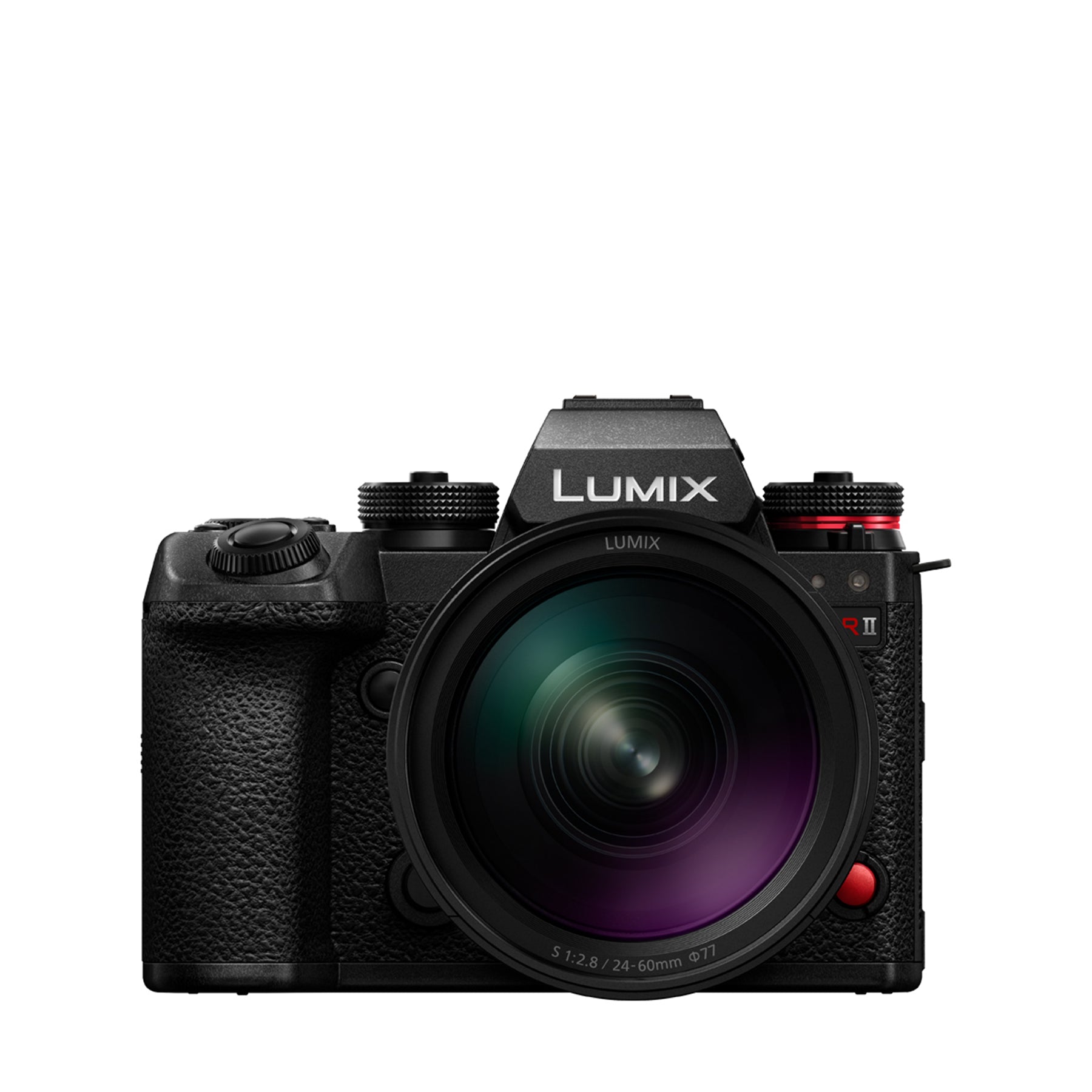
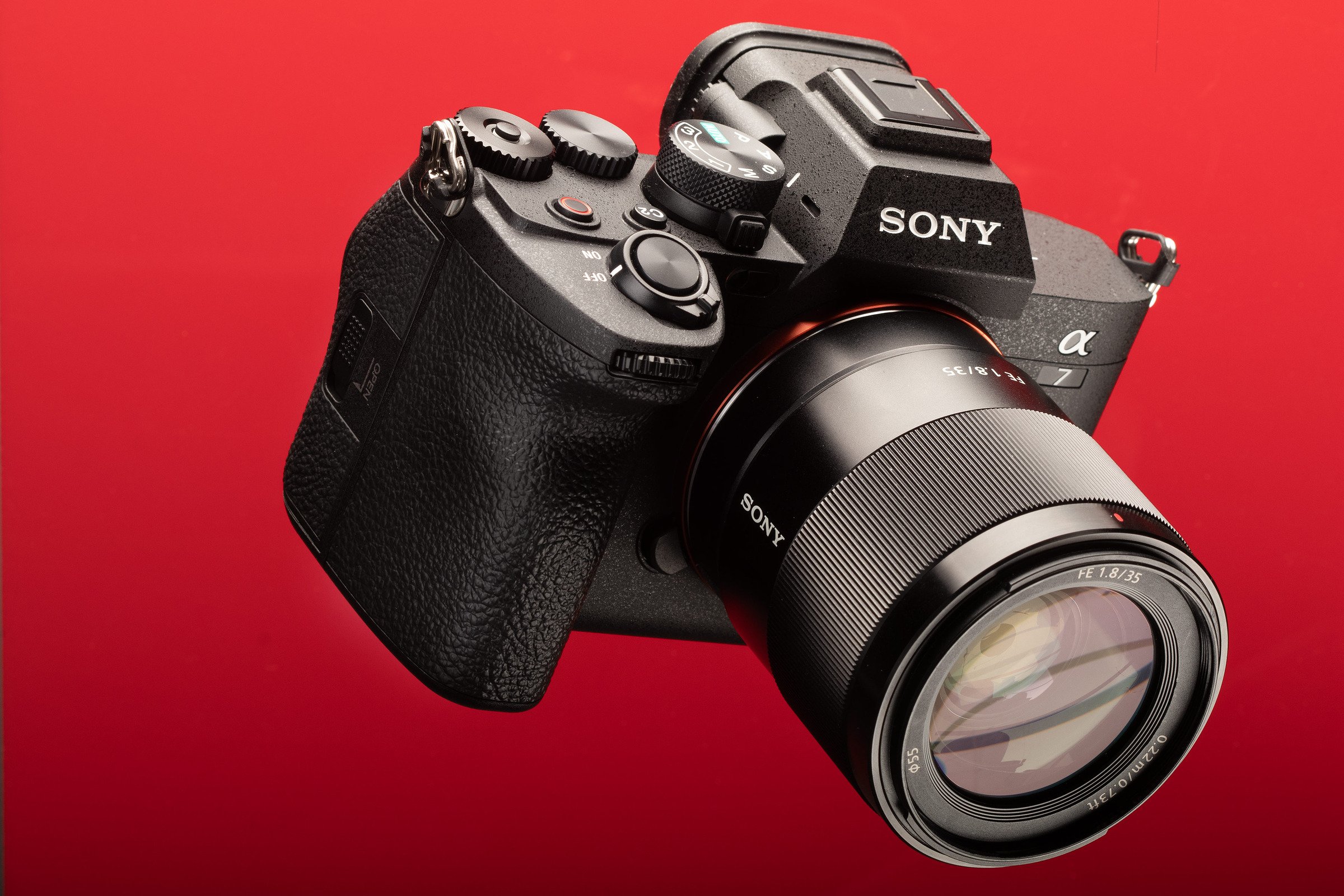
The Panasonic S1R II and Sony A7 IV are two formidable contenders in the full-frame mirrorless camera market, often compared by photographers and videographers looking for high performance across various genres. The S1R II is aimed more at high-resolution photography, making it an attractive option for landscape and studio photographers. Conversely, the Sony A7 IV is noted for its versatility, offering robust features that cater to both stills and video, making it ideal for hybrid shooters. The key differentiators between these models include resolution, video capabilities, autofocus performance, and build quality, which can influence purchasing decisions based on individual preferences and shooting needs.
Specifications Comparison
Detailed Comparison
Image Quality
The Panasonic S1R II boasts an impressive 44.3 megapixel sensor, which allows for incredibly detailed images and greater cropping flexibility. This high-resolution capability makes it an excellent choice for photographers who prioritize image clarity and detail, particularly in large prints. The full-frame sensor also contributes to excellent low-light performance, though it is worth noting that higher pixel counts can sometimes introduce more noise at high ISO levels.
In contrast, the Sony A7 IV's 33-megapixel sensor still delivers exceptional image quality with vibrant colors and accurate dynamic range, suitable for a wide range of photography styles. While it offers fewer megapixels compared to the S1R II, the A7 IV's ISO range extends from 100 to 51200, expandable to 204800, making it highly advantageous for low-light situations.
Overall, if detail and resolution are your primary concerns, the S1R II edges out the A7 IV. However, the A7 IV still provides impressive results that meet the needs of the majority of photographers, making it suitable for most applications.
Autofocus System
Sony has long been recognized for its outstanding autofocus technology, and the A7 IV features a robust system with 759 autofocus points, ensuring fast and reliable focus acquisition, even in challenging lighting conditions. The Real-time Tracking and Real-time Eye AF technology offers impressive performance for both stills and video, making it a go-to option for dynamic subjects such as wildlife and sports.
The Panasonic S1R II, on the other hand, does not specify autofocus points, which is typically fewer than Sony's offering. While it does incorporate contrast-detection autofocus that is accurate in static scenes, it may struggle in fast-moving situations compared to the A7 IV. Photographers focused on subjects with rapid movement may find the A7 IV's superior autofocus system to provide a better shooting experience.
Thus, considering ease of use and reliability, especially for moving subjects, the winner in terms of autofocus technology is clear.
Video Capabilities
For videographers, the Panasonic S1R II sets a benchmark with its ability to record 8K video at 30p and 4K video at an impressive 120p. This is particularly attractive for filmmakers looking to create high-resolution video content with smooth slow-motion capabilities. The ability to shoot high-quality video at various frame rates positions the S1R II as a powerful tool for serious video production.
Conversely, the Sony A7 IV, while supporting 4K 60p video, does not offer the same high-resolution option as the S1R II. However, it does come equipped with features like S-Cinetone color science, which benefits filmmakers aiming for cinematic quality without extensive post-processing. The A7 IV also excels in ease of use with an intuitive menu system designed for video applications.
In summary, for raw video resolution and more advanced video features, the S1R II has the upper hand, but for hybrid shooters and those who appreciate ease of use and versatility, the A7 IV remains competitive.
Build & Ergonomics
Both cameras are built to last, featuring weather-sealing that ensures durability in various conditions. The Panasonic S1R II offers a heavier and more robust body, appealing to photographers who prefer a solid grip and feel in hand, possibly at the expense of portability.
The Sony A7 IV, while also weather-sealed, presents a lighter and more compact design, making it suitable for extended shooting sessions without significant fatigue. Its dimensions (131 x 96 x 80 mm) contribute to a comfortable handling experience, particularly for travel and street photographers. Furthermore, the A7 IV's electronic viewfinder and tilting LCD screen are notable for ease of framing in varied shooting positions.
In terms of ergonomics and usability, the choice often comes down to personal preference. Photographers looking for sturdiness may prefer the S1R II, while those prioritizing portability may lean toward the A7 IV.
Battery & Storage
When it comes to battery life, the Sony A7 IV shines with a rated capacity of approximately 580 shots per charge, significantly outperforming many competitors in the market. This extended battery life is a considerable advantage for photographers during long shoots or events.
The Panasonic S1R II, while not as enduring as the A7 IV, still provides adequate battery performance for most scenarios. However, it may require more frequent battery swaps depending on usage conditions. Additionally, both cameras support dual card slots, offering flexibility in file storage and backup, particularly useful for professional work where reliability is critical.
Ultimately, for those who prioritize longer battery life for uninterrupted shooting, the A7 IV is the clear choice, providing peace of mind during extensive sessions.
Value for Money
The Sony A7 IV is priced at approximately $2499, positioning it competitively in the full-frame mirrorless market. Given its combination of features, including reliable autofocus, excellent image quality, and decent video capabilities, many photographers and videographers will find it to be a valuable investment.
In comparison, the Panasonic S1R II, while offering higher resolution and advanced video specs, can translate into a higher perceived value for certain niches, such as professional photography and videography. That said, without a clear price comparison available, individual budgets and requirements will play a crucial role in determining value for money. The S1R II caters more to niche high-resolution applications, while the A7 IV offers a broader appeal with its balanced feature set.
In this context, if you require high resolution for your work, the S1R II might justify its investment, while for general versatility, the A7 IV stands out as the more cost-effective option.
Our Verdict
Overall, the Panasonic S1R II emerges as the superior choice for photographers who demand the highest image resolution and advanced video capabilities. Its higher megapixel count and robust video options cater well to professionals focused on detail-intensive work. However, the Sony A7 IV excels in autofocus performance, battery life, and portability, making it an excellent choice for hybrid shooters and those who prioritize convenience. Depending on your specific needs-whether it's the allure of 44.3 megapixels or the balance of features offered by the A7 IV-both cameras serve distinct but highly capable roles in any photographer or videographer's arsenal.
Panasonic S1R II
Sony A7 IV
Also Compare
Frequently Asked Questions
Which camera is better for portrait photography?
The Panasonic S1R II is better suited for portrait photography due to its higher megapixel count, allowing for incredible detail and crop flexibility. However, the A7 IV's autofocus capabilities can also be advantageous for capturing sharp images of dynamic subjects.
Is the Panasonic S1R II good for videography?
Yes, the S1R II's strengths in 8K and 4K video capabilities can make it an excellent choice for videographers looking for high resolution and frame rate options. However, the A7 IV offers features like S-Cinetone, which can appeal to filmmakers seeking a cinematic quality.
How do the autofocus systems compare?
The A7 IV's autofocus system is superior with 759 points and advanced tracking capabilities, making it more effective for fast-moving subjects. The S1R II's autofocus is reliable but less sophisticated, better suited for still scenes.
Which camera is better for low light photography?
While both cameras perform well in low light, the A7 IV's wider ISO range gives it an edge in high-noise situations, allowing greater flexibility for noise management and better results at high ISO settings.
Are both cameras weather-sealed?
Yes, both the Panasonic S1R II and the Sony A7 IV feature weather-sealing, which protects them against dust and moisture, making them suitable for outdoor shooting in various conditions.