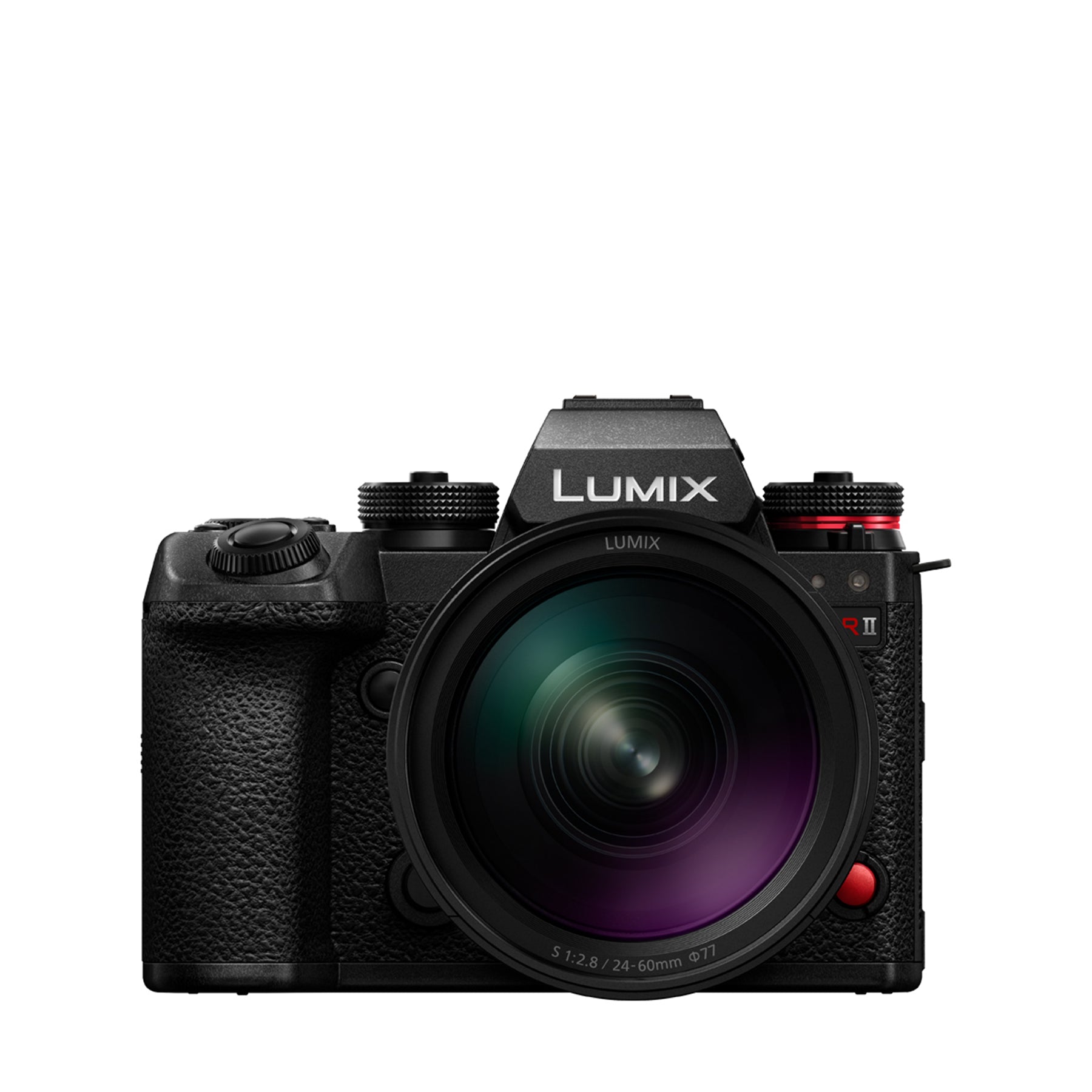
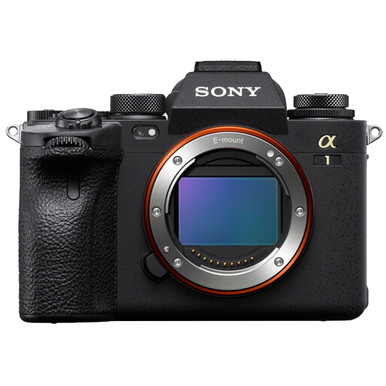
The Panasonic S1R II and the Sony A1 are two of the most advanced mirrorless cameras currently on the market, making them popular choices among professional photographers and enthusiasts alike. Both cameras boast full-frame sensors, exceptional image quality, and a range of impressive features that cater to diverse photography and videography needs. As photographers consider upgrading or investing in high-end gear, the choice between these two models often comes down to specific requirements such as image resolution, video capabilities, and overall usability in various shooting conditions.
Key differentiators between the Panasonic S1R II and Sony A1 include megapixel count, autofocus performance, and stabilization systems. The S1R II provides a slightly lower resolution but excels in different video formats and boasts a unique sensor-shift stabilization system. On the other hand, the A1 offers superior autofocus technology and better low-light performance due to its extended ISO range, making it a compelling choice for fast-paced shooting scenarios. Understanding these differences is crucial for users to choose the right camera for their specific style and needs.
Specifications Comparison
Detailed Comparison
Image Quality
The Panasonic S1R II features a 44.3-megapixel sensor that delivers stunning detail and dynamic range, making it an excellent choice for landscape, portrait, and commercial photography. It utilizes a high-resolution mode that can generate even larger images from its sensor, particularly appealing for high-end printing and cropping. In contrast, the Sony A1 takes the lead with a 50-megapixel sensor, offering slightly better detail retention and clarity, as well as an impressive dynamic range that can accommodate a variety of lighting conditions.
Both cameras perform admirably, but the A1's additional resolution can be essential for photographers who prioritize minute detail. However, the S1R II's color science and tonal gradation are often lauded, giving it an edge in producing pleasing skin tones and vibrant colors. The JPEG and RAW output from both cameras is exceptionally high quality but may appeal to different tastes depending on the photographer.
Overall, while both cameras excel in image quality, the marginal increase in megapixels on the Sony A1 tilts this aspect slightly in its favor, thanks to its higher resolution and impressive low-light performance. However, the S1R II's excellent color rendition and detail will captivate many users, making this a close comparison.
Autofocus System
The autofocus system is critical in today's fast-paced photography, and here the Sony A1 has a significant advantage. With 759 phase-detection autofocus points, it offers rapid and precise focus tracking, making it ideal for sports and wildlife photography where subjects are in constant motion. The A1's Real-time Eye autofocus also excels at tracking human and animal eyes, ensuring sharp focus even in challenging scenarios.
In comparison, the Panasonic S1R II features a highly capable autofocus system, but it is not as comprehensive as that of the A1. The S1R II employs a contrast-detection system combined with depth-from-defocus technology that works well for stationary subjects and landscapes but may struggle in fast-paced situations. While the autofocus in the S1R II is reliable, it cannot match the rapid shooting capabilities of the A1 in dynamic environments.
Photographers who prioritize autofocus performance, particularly in fast-action scenes, will find the Sony A1's system to be superior. The precise tracking and versatility of the A1's autofocus algorithm place it ahead in this pivotal aspect.
Video Capabilities
When it comes to video capabilities, the Panasonic S1R II distinguishes itself with its impressive 8K video resolution at 30p and 4K video at 120p. This offers a level of versatility not commonly found in many cameras, making it a favored choice among videographers aiming for high-resolution content. The ability to record in various formats and resolutions, coupled with its sensor-shift stabilization, also provides smooth video output, vital for handheld shooting.
On the other hand, while the Sony A1 also supports excellent 4K video up to 120p, it does not offer 8K capabilities, hence limiting its role in high-resolution video production. Nonetheless, the A1's 4K footage is top-notch, featuring high bitrate recording and excellent color science that is often preferred in professional workflows.
For videographers needing advanced video capabilities like 8K and versatile recording options, the Panasonic S1R II is the clear winner in this category. However, users looking for a robust 4K video solution will find the A1's offerings highly competent.
Build & Ergonomics
Both cameras are designed to withstand rigorous use, featuring weather-sealed bodies that ensure reliability under various shooting conditions. The Panasonic S1R II has a robust design with a sizable grip that feels secure, making it a favorite among photographers who shoot for extended periods. The layout and controls are user-friendly, with well-placed buttons and customizable dials that enhance the shooting experience.
Meanwhile, the Sony A1, while slightly lighter and smaller, may feel less stable when used with larger lenses. Its compact design does provide an advantage in portability, catering to photographers on the go. The dual card slots in both cameras allow for extensive storage options and quicker workflow management. Sony's menu system can be occasionally confusing for users, while Panasonic's interface is often regarded as more intuitive.
For build and ergonomics, both cameras offer strengths. However, the S1R II's comfort for extended shooting makes it a preferred option for many professionals, while the A1's compact nature benefits those needing mobility.
Battery & Storage
The Sony A1 stands out with a battery life of approximately 530 shots per charge, which is quite impressive for a full-frame mirrorless camera, allowing for extensive shooting without frequent battery changes. This endurance is particularly favorable for event photographers who need to maximize their shooting time. Both cameras utilize dual card slots, but the A1's compatibility with CFexpress Type A cards offers superior performance for fast read/write speeds, a notable advantage for recorded video.
In contrast, the Panasonic S1R II, while it may have similar card slot options, generally sees lower overall battery life, making it less ideal for long shoots without a power source. This can impact workflows significantly, especially during prolonged sessions such as weddings or on-location shoots.
Overall, the A1's superior battery life and storage efficiency position it at an advantage in this comparison, appealing particularly to working professionals who value longevity in the field.
Value for Money
The price point of the Sony A1, set at $6500, reflects its position as a high-end, professional-grade camera loaded with advanced features. For professionals who will leverage the full extent of its capabilities, the cost may justify the investment. The autofocus, build quality, and overall performance offered in the A1 present high value, especially for fast-paced photography.
In contrast, the Panasonic S1R II arguably offers a more compelling value for photographers focused mainly on high-resolution imagery with its 8K video capabilities-often at a more approachable price. The versatility in video recording and the high-quality stills it produces makes it an attractive option for photographers and videographers alike.
Ultimately, the value proposition comes down to the user's individual needs. For photographers focused on pure image capture and video versatility, the S1R II may be perceived as offering better value for money, while those in need of high-speed autofocus and superior battery efficiency might justify the A1's price.
Our Verdict
In the overall comparison, the Sony A1 takes the edge due to its superior autofocus performance, greater image resolution, and impressive battery life-all crucial for professionals who prioritize speed and efficiency in their workflows. The A1's build quality and high-end video recording capabilities solidify its place as a frontrunner in modern photography. However, the Panasonic S1R II is no less impressive, offering 8K video, exceptional color quality, and a comfortable design, making it an excellent choice for those focused on high-resolution stills and versatile videography. Users must consider their primary needs; those delving into fast-paced work will find the A1 to be more aligned with their goals, while those focused on detailed imagery may still lean towards the S1R II.
Panasonic S1R II
Sony A1
Also Compare
Frequently Asked Questions
Which camera is better for videography?
The Panasonic S1R II offers superior video capabilities with 8K at 30p and exceptional 4K performance, making it the better choice for videographers. The Sony A1 has great 4K video capabilities, but if you need high-resolution video, the S1R II excels.
Which camera has better autofocus?
The Sony A1 boasts a significantly advanced autofocus system with 759 points and Real-time Eye autofocus, making it far superior for fast-moving subjects compared to the Panasonic S1R II.
Is the extra resolution on the A1 worth it?
For many photographers, the additional 50 megapixels of the Sony A1 will provide more detailed images, especially for large prints or extensive cropping. However, for some users, the S1R II's exceptional color rendition may be more important than a higher resolution.
How do the battery lives compare?
The Sony A1 has a better battery life, providing around 530 shots per charge, making it more suitable for long shooting sessions. The Panasonic S1R II has lower battery endurance, which might require frequent changes during extended shoots.
Which camera is more comfortable to use for long periods?
The Panasonic S1R II has a larger grip and is designed for prolonged use, making it more comfortable for long shoots. The Sony A1, while compact, can feel less stable when using larger lenses.