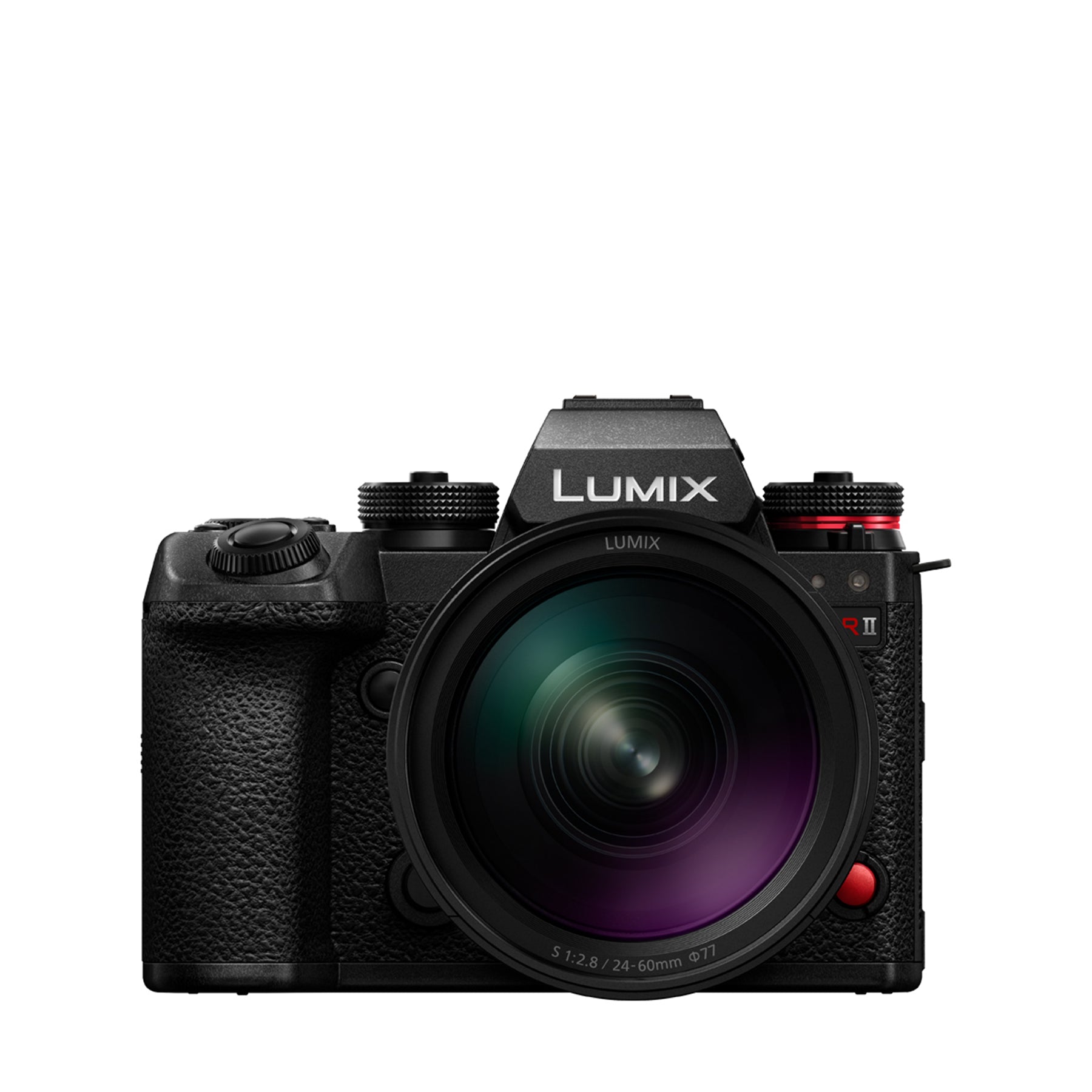
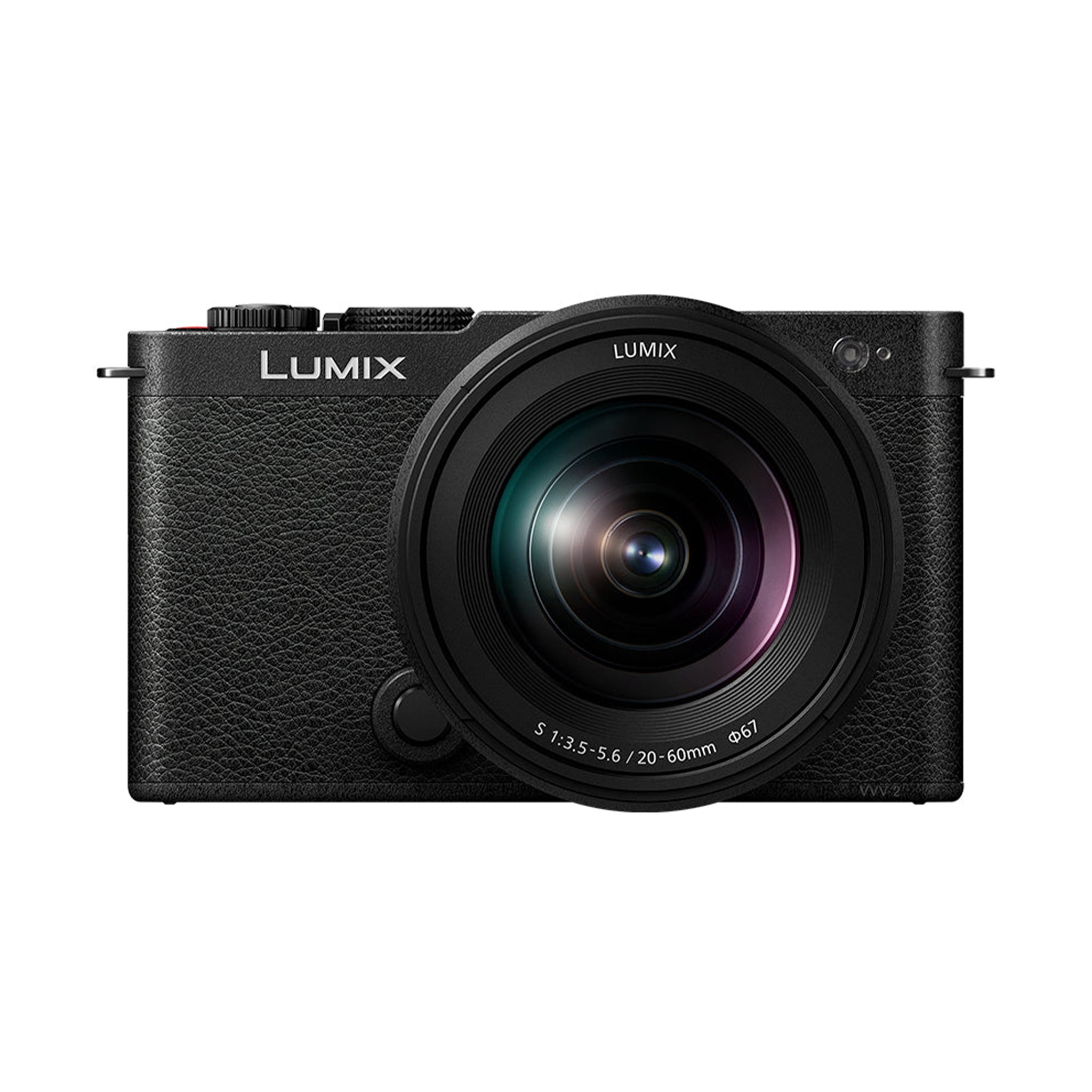
The Panasonic S1R II and S9 are two compelling mirrorless camera options from Panasonic's growing lineup, targeted at professional photographers and enthusiasts alike. Both cameras are built on a full-frame platform, but they cater to slightly different user needs. The S1R II is aimed at those requiring high resolution and advanced video features, while the S9 offers a more compact design coupled with impressive capabilities for both photography and videography. Understanding the differences in specifications and user experience can help potential buyers make an informed decision based on their specific requirements.
Specifications Comparison
Detailed Comparison
Image Quality
When it comes to image quality, the Panasonic S1R II takes a distinct lead with its 44.3 megapixel sensor, which provides greater detail and allows for high-quality enlargements. This resolution is particularly beneficial for landscape and studio photographers who require large prints. Meanwhile, the S9's 24 megapixel sensor performs admirably in various conditions, producing excellent images with good color accuracy and dynamic range, though it lacks the sheer detail provided by the S1R II. Additionally, both cameras utilize full-frame sensors, contributing to superior performance in low-light situations, but the increased pixels of the S1R II may provide an edge in capturing fine textures in challenging lighting conditions. In practical terms, the S1R II is better suited for demanding photography applications where resolution is paramount.
Autofocus System
The autofocus system is crucial for fast-paced photography, and both cameras have their strengths. The S1R II features a sophisticated Phase Detection and Contrast Detection hybrid autofocus system that can confidently track moving subjects. It's designed to work efficiently with both stills and videos, making it versatile for various shooting scenarios. In contrast, the S9, while equipped with a reliable contrast-detection autofocus, may struggle in rapidly changing situations compared to the S1R II, particularly in low-light environments. Nevertheless, the S9 offers simplicity and ease of use, which can be attractive to beginners or those who prefer a more streamlined experience. Overall, the S1R II's autofocus capabilities give it a decisive advantage for more demanding shooting styles.
Video Capabilities
Videographers looking for cinematic quality will appreciate the S1R II's robust video capabilities, which include 8K 30p recording and 4K 120p for high-frame-rate footage. This versatility allows for creative video production and gives filmmakers a variety of options for slow motion and large format video. On the other hand, the S9 is capable of recording in 5.9K, UHD 4K, DCI 4K, and 1080p, which is quite impressive but falls short of the maximum specifications found in S1R II. While the S9 supports solid video performance suitable for streaming and casual video projects, it does not cater as effectively to high-end videography needs, making it more suited for entry-level users and casual film enthusiasts. Therefore, for serious videographers, the S1R II emerges as the definitive choice.
Build & Ergonomics
In terms of build quality, both the S1R II and S9 offer robust designs suited for professional use. The S1R II is slightly larger and heavier but provides a solid feeling in hand, with weather sealing that makes it suitable for outdoor shooting. The ergonomics are well thought out, allowing for comfortable long shooting sessions. The S9, weighing 486g and featuring a more compact form factor with dimensions of 126x73.9x46.7 mm, is designed for portability without compromising on functionality. This makes it a great option for photographers who prefer a lighter setup. Each camera has its advantages in this category, as the S1R II suits those focused on durability, while the S9 is ideal for travel and street photography.
Battery & Storage
Battery life and storage options play a significant role in the usability of these cameras in the field. The S1R II is powered by a robust battery that can handle extended shooting sessions, especially in high-resolution modes. It supports dual card slots, allowing photographers to save images simultaneously or utilize one slot for overflow. The S9, while also featuring good battery life, offers slightly less capacity due to its smaller form factor and compact design. It does have a dual card slot as well, supporting L-Mount lenses and an extensive ecosystem for storage options. For serious shooters engaging in prolonged sessions, the S1R II's battery endurance gives it a distinct advantage.
Value for Money
When considering value for money, the S9 has the advantage due to its lower price point. It provides excellent image quality and video performance for those who do not require the highest possible resolution or advanced features. In contrast, the S1R II, while more expensive, justifies its price with higher resolution capabilities, advanced autofocus, and superior video functions. Photographers and videographers who prioritize quality over budget will find the S1R II a valuable addition to their kit. However, for hobbyists and casual users, the S9 presents a more economically viable option without sacrificing essential functionalities. Ultimately, the value for each camera depends on the specific needs of the user.
Lens Ecosystem
Both the S1R II and S9 utilize the L-Mount, which provides access to a growing choice of high-quality lenses from Panasonic as well as partnering companies like Leica and Sigma. The S1R II, thanks to its higher resolution, benefits from a wider selection of lenses designed for high megapixel output, providing slightly more versatility for fine art and commercial photography. The S9, while also benefiting from the robust L-Mount ecosystem, may not have as many high-end options tailored for its resolution. However, for photographers who prioritize versatility without specific requirements, the S9's lens compatibility is more than adequate. Both systems allow photographers to build a diverse and effective kit, enhancing their photography experience.
Our Verdict
Overall, the Panasonic S1R II is the standout choice for professional photographers and videographers requiring high-resolution imaging, advanced video specifications, and superior autofocus capabilities. While the Panasonic S9 offers impressive features and serves well for casual users or those transitioning into full-frame systems, its lower price point makes it an appealing option for budget-conscious buyers. Thus, the S1R II excels in scenarios where image quality and advanced functionalities are key, whereas the S9 is ideal for enthusiasts seeking solid performance without an overwhelming investment.
Panasonic S1R II
Panasonic S9
Also Compare
Frequently Asked Questions
Which camera is better for landscape photography?
The Panasonic S1R II is better suited for landscape photography due to its 44.3 megapixel sensor, which captures more detail, making it ideal for large prints and capturing intricate landscape textures.
Can I use the same lenses on both cameras?
Yes, both the Panasonic S1R II and S9 use the L-Mount, allowing you to interchange lenses seamlessly between the cameras without any adapters.
Is the video quality significantly different?
Yes, the S1R II offers 8K video recording, while the S9 maxes out at 5.9K. This makes the S1R II better for serious videographers or filmmakers needing high-resolution video.
What is the weight difference between the two cameras?
The Panasonic S1R II is heavier than the S9. The S9 weighs 486g, making it lighter and more portable, which is an advantage for travel or street photography.
Which camera is better for beginners?
The Panasonic S9 may be more suitable for beginners, as it has a simpler interface, is lighter, and offers great performance without the complexities found in higher-end models.