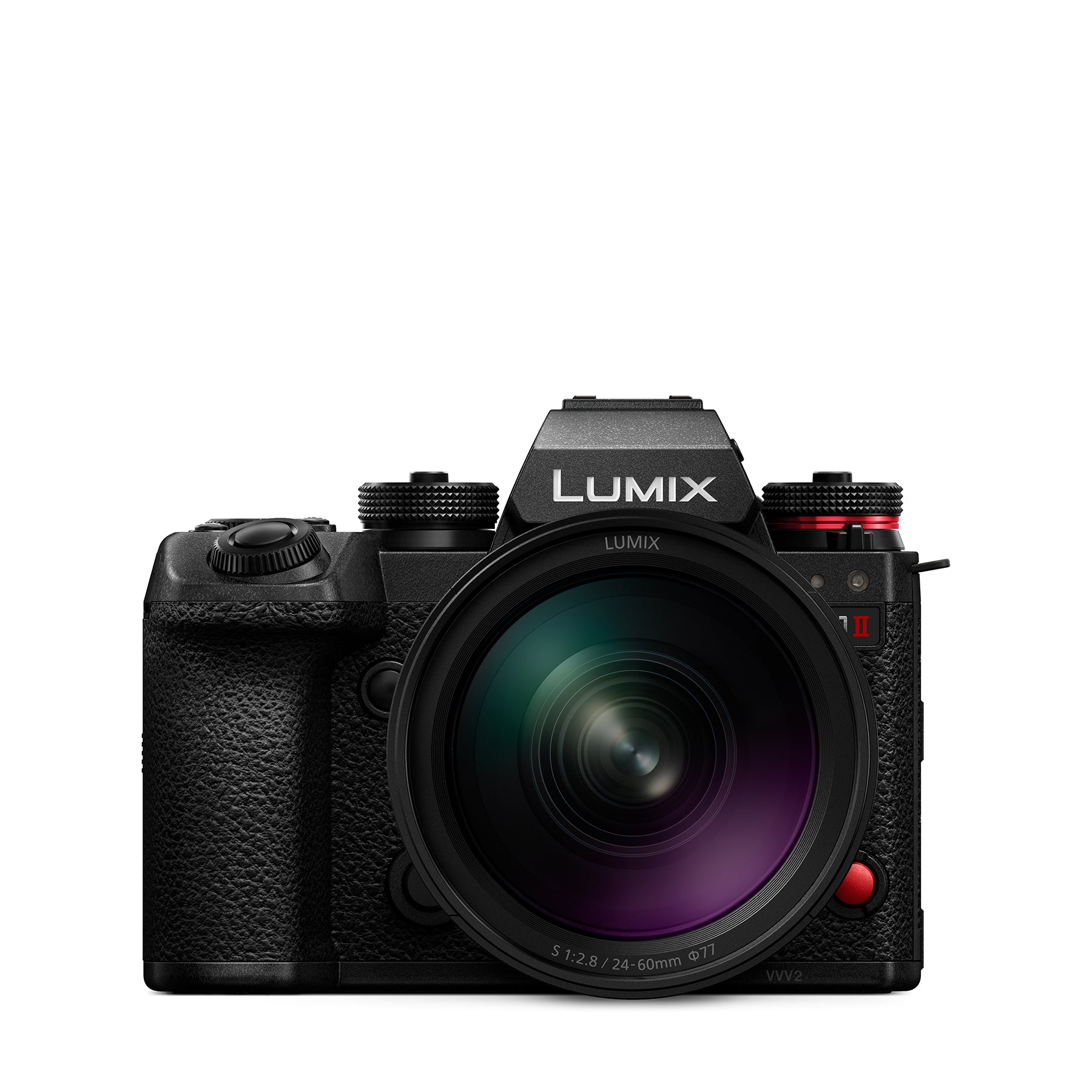
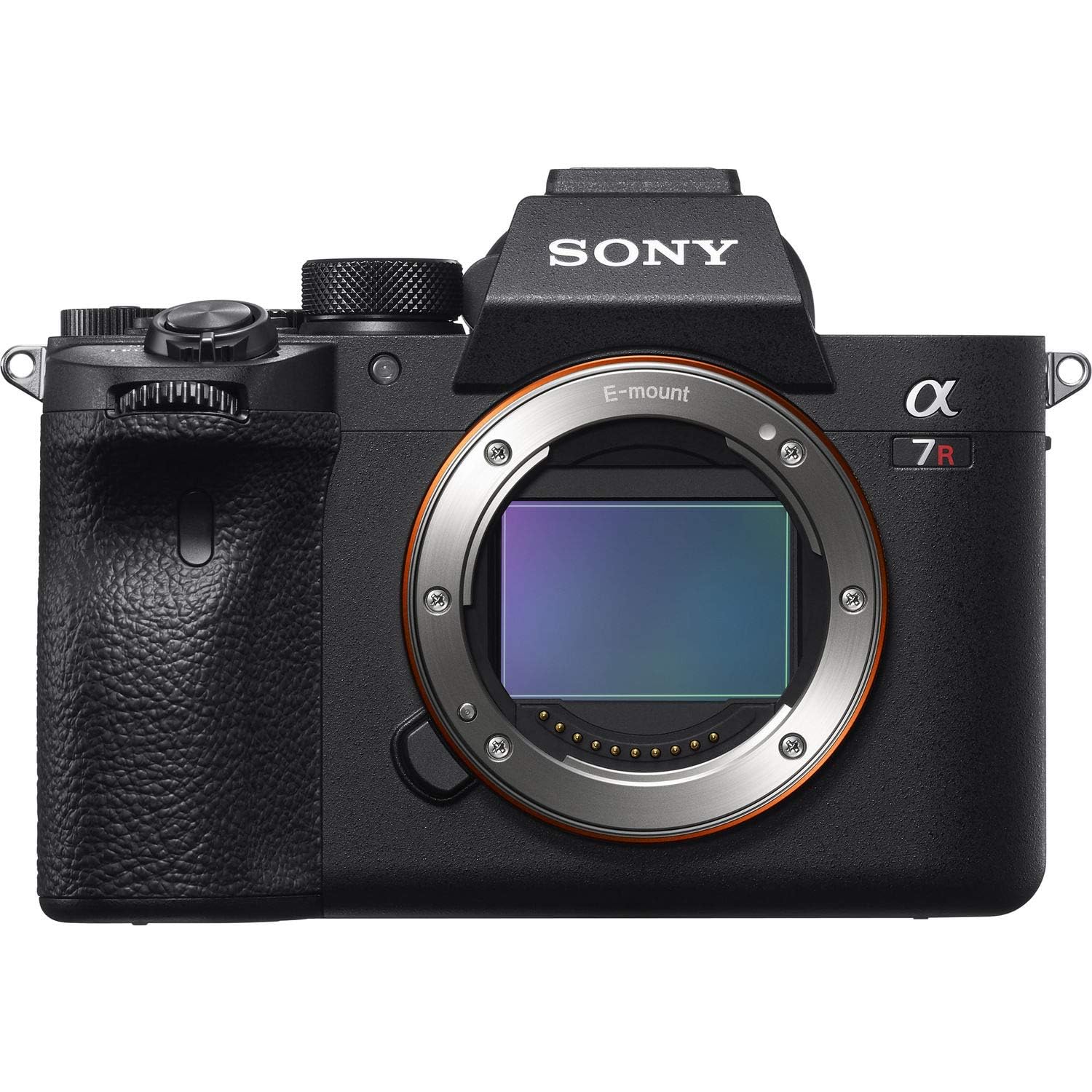
The Panasonic S1 II and Sony A7R IV are two standout full-frame mirrorless cameras that attract photographers looking for high-quality image capture and advanced features. With their robust specifications and unique strengths, these models represent different philosophies in camera design, catering to diverse needs from professional photographers to serious enthusiasts. Buyers are often drawn to these cameras when they require high resolution, excellent video capabilities, and reliable performance in challenging conditions, making a direct comparison particularly relevant.
Specifications Comparison
Detailed Comparison
Image Quality
When it comes to image quality, the Panasonic S1 II offers a 24.1-megapixel full-frame sensor, which delivers sharp images and excellent color accuracy. Although it has a lower megapixel count than the A7R IV, the S1 II is capable of producing stunning images, especially in low-light situations, thanks to its advanced image processing capabilities. The A7R IV, on the other hand, boasts an impressive 61-megapixel sensor, allowing for exceptionally detailed images suitable for large prints and detailed cropping. This high resolution can be a significant advantage for landscape and studio photographers who prioritize detail above all else.
While higher megapixel counts can result in better detail, larger file sizes may slow down the workflow, particularly when editing. The S1 II, with its lower resolution, can facilitate a faster editing process and require less storage space. However, for those who need the utmost detail, the A7R IV's sensor remains a significant selling point.
Ultimately, the choice in image quality may boil down to personal preferences on resolution and the type of photography you pursue.
**Winner:** b
Autofocus System
The autofocus system is a critical feature for photography, especially in fast-paced situations. The Sony A7R IV is equipped with an impressive 567 autofocus points, which provides greater coverage and faster subject tracking. This is particularly useful for wildlife and sports photography, where precision and speed are essential. The A7R IV is known for its fast and reliable hybrid autofocus, which includes eye detection capabilities for both humans and animals, enhancing its usability in portrait and wildlife scenarios.
In comparison, the Panasonic S1 II offers a robust 5-axis in-body stabilization system designed to complement its autofocus but does not provide as many AF points as the A7R IV. While it still delivers solid autofocus performance, especially in still photography, it may not be as responsive as that of its Sony counterpart in challenging conditions. The S1 II excels in video autofocus, but overall, the distinction in autofocus performance leans toward the performance of the A7R IV.
Thus, if fast autofocus is a priority, especially for moving subjects, the A7R IV clearly stands out due to its advanced AF technology.
**Winner:** b
Video Capabilities
For videographers, the Panasonic S1 II emerges as an excellent choice with its ability to record in 5.1K resolution at 60 frames per second, making it suitable for high-end video production. The camera's superior video features include V-Log recording, which allows for greater post-production flexibility. Its advanced in-body stabilization system (8.0-stop 5-axis I.S.) also ensures smoother video footage, making it a solid option for handheld shooting in dynamic environments.
On the other hand, the Sony A7R IV primarily focuses on 4K video at 30p, which, while sufficient for most applications, does not reach the high-resolution capabilities of its rival. The A7R IV offers decent video quality and some professional features, but it may not satisfy content creators looking for the highest fidelity in their work.
Overall, for those leaning heavily into videography, the S1 II's robust video capabilities provide clear advantages.
**Winner:** a
Build & Ergonomics
Both the Panasonic S1 II and Sony A7R IV are well-built cameras designed to handle demanding shooting conditions. The A7R IV has a sturdy weather-sealed body, measuring 129 x 96 x 78 mm and weighing approximately 665 grams, giving it a compact and lightweight profile which is favored for travel photography. Its interface is intuitive, with a good grip that enhances handling, making it comfortable for extended use.
Conversely, the Panasonic S1 II, while heavier and bulkier, benefits from a robust design that can withstand harsh environments. Its larger grip and control layout may appeal to users who prefer a more substantial feel in their hands. The S1 II also features a fully articulating touchscreen, which adds versatility for videographers and vloggers.
Ultimately, the preference for build and ergonomics may come down to personal use cases, such as travel versus studio work.
**Winner:** tie
Battery & Storage
Battery life is always a vital consideration for photographers, especially during long shoots. The Sony A7R IV boasts an impressive battery life, allowing for approximately 670 shots per charge, which is very beneficial for users on extended assignments. Furthermore, it supports dual-card slots with the ability to use SD UHS II cards, catering to photographers requiring rapid file saving and backup during shoots.
In comparison, while the specific battery life data for the Panasonic S1 II is not detailed in the specifications provided, Panasonic cameras typically feature less efficient battery performance relative to their peers. However, the S1 II also includes dual-card slots, giving it an edge in storage capacities and flexibility for different media types.
For users prioritizing longevity in battery life, the A7R IV claims the advantage.
**Winner:** b
Value for Money
Pricing is a significant factor for most buyers, and here the Sony A7R IV comes in at around $3500, reflecting its high megapixel count and a variety of features. While the A7R IV may appear costly, it generally aligns with professional-level capabilities that many seasoned photographers expect, making it a worthy investment. The higher resolution and proven performance justify the price for those who require that level of detail in their work.
On the other hand, the Panasonic S1 II, launched in 2023, offers a more contemporary proposition. Although it provides fewer megapixels, its price may reflect value, especially for videographers seeking advanced video recording features. The introduction of newer technology often warrants a competitive price point, appealing to buyers needing capable video performance.
In the end, the choice boils down to usage needs and budget. Value may be subjective based on individual priorities in photography or videography.
**Winner:** tie
Our Verdict
Overall, while the Panasonic S1 II has its merits, particularly in video recording capabilities, the Sony A7R IV edges out as the overall winner due to its exceptional image quality, advanced autofocus system, and solid battery performance. The A7R IV's higher resolution and depth in features cater to photographers who need detail and speed in their workflow. For video-centric users or content creators, the S1 II holds unique advantages, and its newer features may appeal to distinct use cases. Thus, the choice ultimately hinges on an individual's specific needs and priorities in photography and videography.
Panasonic S1 II
Sony A7R IV
Also Compare
Frequently Asked Questions
Which camera performs better in low-light conditions?
While the A7R IV has a wider ISO range that expands to ISO 50-102800, the Panasonic S1 II's sensor is designed for better noise control at lower megapixels, making it potentially more effective for low-light scenarios.
Is the Panasonic S1 II a good video camera?
Yes, the S1 II excels in video production with 5.1K resolution and advanced stabilizations, making it a favorite for videographers.
How do these cameras compare in autofocus performance?
The Sony A7R IV offers superior autofocus performance with 567 points and effective tracking, whereas the S1 II is competent but slightly less advanced.
Which camera is more suitable for professional photography?
The Sony A7R IV is often favored for professional photography due to its high resolution and excellent autofocus. However, the choice may depend on specific requirements.
What are the actual weight differences between the two cameras?
The Sony A7R IV weighs 665 grams, whereas the weight of the Panasonic S1 II is not explicitly provided but is generally heavier due to its bulkier build.