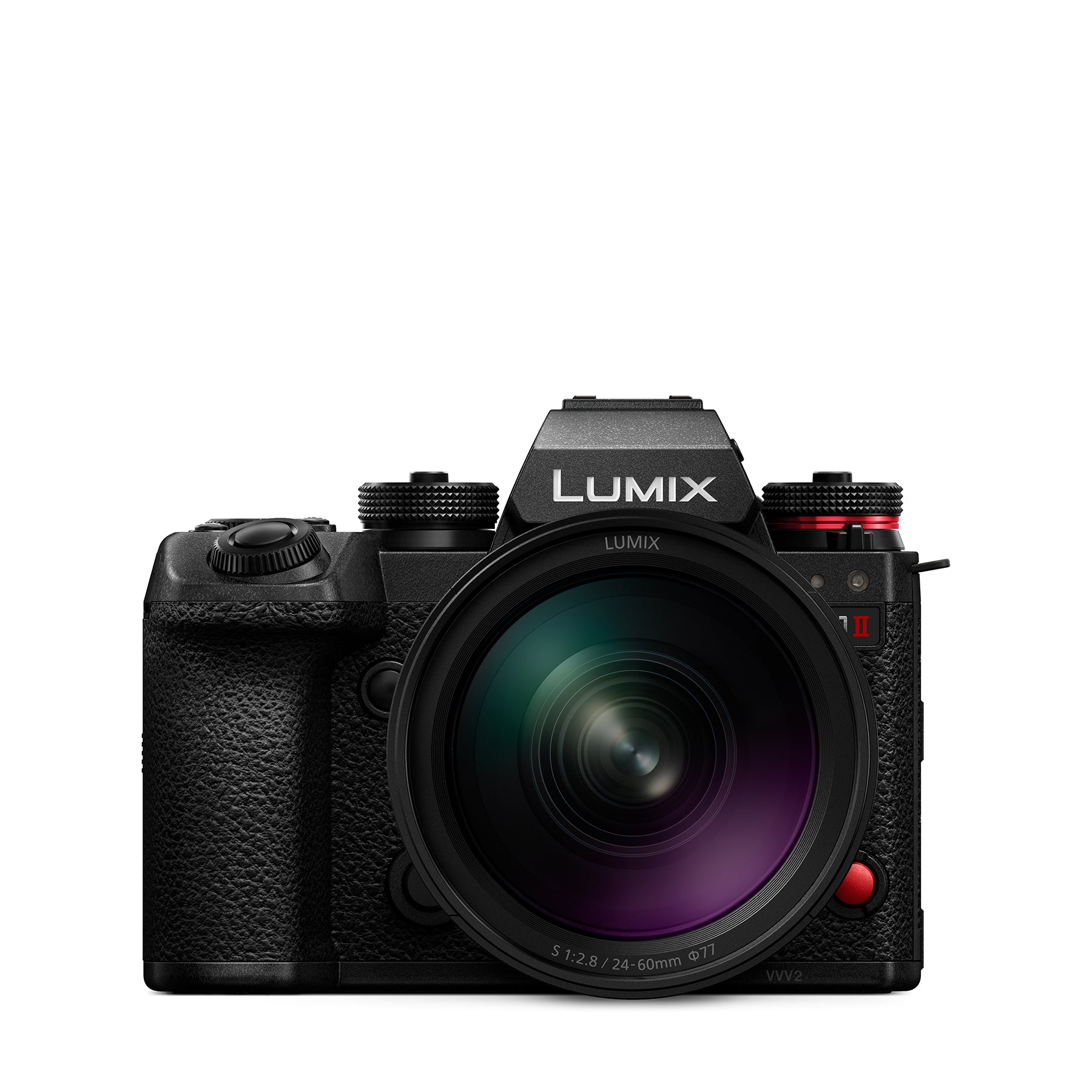
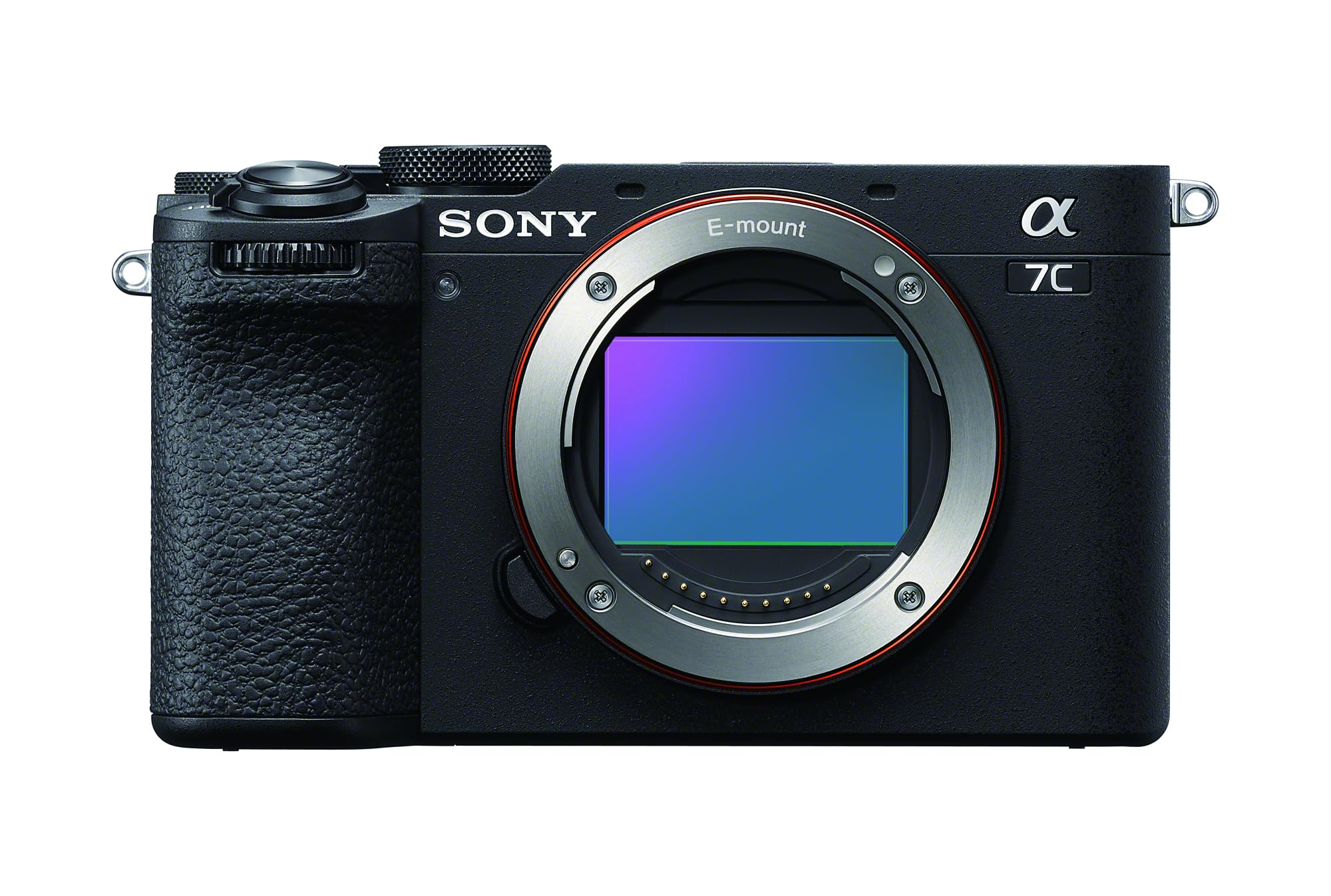
The Panasonic S1 II and the Sony A7C II are both formidable full-frame cameras launched in 2023, appealing to enthusiasts and professionals alike who prioritize image quality, video capabilities, and robust performance in a range of scenarios. Potential buyers often find themselves choosing between these two options based on specific needs, such as professional-grade video recording, travel-friendly ergonomics, or robust autofocus performance. Key differentiators between the two models are found in their video specs, autofocus systems, and overall versatility, making a direct comparison pertinent for those in the market for a full-frame mirrorless camera.
Specifications Comparison
Detailed Comparison
Image Quality
The Panasonic S1 II features a 24.1 MP full-frame sensor, delivering excellent image quality with a good balance between resolution and low-light performance. Conversely, the Sony A7C II sports a higher resolution 33 MP sensor, providing finer detail and larger print capabilities, especially advantageous for photographers requiring high-resolution images. In practical terms, while both cameras perform admirably in various lighting conditions, the higher megapixel count in the A7C II offers some benefits over the S1 II for cropping or large format prints. However, both cameras benefit from the full-frame sensor, contributing to richly detailed images and color accuracy.
Autofocus System
The autofocus system is a critical area of difference between these two models. The Sony A7C II employs 759 phase-detection autofocus points, making it exceptionally fast and responsive, especially in dynamic situations where subject tracking is vital, such as sports or wildlife photography. While the Panasonic S1 II also features a reliable autofocus system, it does not provide the same number of points, potentially impacting performance in complex shooting scenarios. Thus, for users prioritizing quick autofocus and tracking capabilities, the Sony A7C II holds a distinct advantage.
Video Capabilities
Video recording is another strong feature for both cameras, but here the Panasonic S1 II shines with its impressive 5.1K video resolution at 60p, providing greater detail and flexibility in post-processing. While the Sony A7C II supports 4K video at 60p, it cannot match the S1 II in terms of resolution. If filmmakers are looking for high-end video performance, the S1 II is clearly the better choice. Nonetheless, the A7C II incorporates solid video features and usability, making it a strong contender for vloggers and content creators needing an all-in-one solution for both photography and video.
Build & Ergonomics
In terms of build quality, both cameras have weather-sealed bodies, enhancing durability for outdoor use. However, the Sony A7C II is notably lighter at 514g and more compact with dimensions of 124 x 71 x 63 mm, making it a more portable option for travel photographers. The Panasonic S1 II, while slightly bulkier, features a robust design that is appreciated by users who prefer a solid grip and more substantial feel when handling the camera. Ultimately, the choice here depends on the user's preference for weight and portability versus build quality and ergonomics.
Battery & Storage
When considering battery life, the Sony A7C II offers an impressive 540 shots per charge, which is advantageous for longer shooting sessions without the need for frequent battery swaps. The Panasonic S1 II does not disclose precise battery life but typically falls behind in the same category for mirrorless cameras. Both utilize standard SD card slots, but users must also consider that the S1 II's heavier file sizes with 5.1K video may necessitate more robust storage solutions. In this comparison, the A7C II offers a more user-friendly experience with its battery performance.
Value for Money
Pricing is an essential factor, with the Sony A7C II retailing at $2200, making it a competitive option for a full-frame mirrorless camera with advanced features. While the Panasonic S1 II has not been priced here, considering its advanced video capabilities, it may appeal to specific segments willing to invest more for superior video performance. Buyers must weigh their specific needs against the cost, as the A7C II provides a balanced offering for both photography and video, ensuring a good return on investment for a broad audience.
Lens Ecosystem
The lens ecosystem is vital for camera versatility, and both Panasonic L mount and Sony E mount systems offer diverse selections. However, Sony's lens lineup is more extensive, providing more options for photographers and videographers alike. This availability includes specialized lenses that can meet niche requirements, making the A7C II a more attractive option for those seeking extensive lens choices for various photographic styles. While Panasonic's offerings are growing, the existing disparity is worth considering for potential buyers focused on a wide range of creative possibilities.
Our Verdict
Considering the evaluated sections, the Sony A7C II emerges as the overall winner due to its superior autofocus system, lightweight design, and better battery life. While the Panasonic S1 II excels in video resolution and is arguably better suited for filmmakers, the comprehensive features and versatility offered by the A7C II provide more value for a wider audience. Those primarily interested in videography may favor the S1 II for its advanced capabilities, but for general-purpose photography and video, the A7C II is a strong, reliable choice.
Panasonic S1 II
Sony A7C II
Also Compare
Frequently Asked Questions
How does the video quality compare between the Panasonic S1 II and Sony A7C II?
The Panasonic S1 II offers 5.1K video resolution at 60p, making it a better option for high-detail video work, while the Sony A7C II supports 4K at 60p, suitable for most video applications but lower in resolution.
Which camera is better for low-light performance?
While both cameras perform well in low-light conditions, the Sony A7C II's higher megapixel count may offer slightly improved detail in low-light scenarios, especially when paired with fast lenses.
What are the major advantages of the Sony A7C II over the Panasonic S1 II?
The A7C II has a superior autofocus system with 759 points, a higher battery life, and an overall lighter design, making it more suitable for travel and spontaneous photography.
Is the Panasonic S1 II worth it for professional videography?
Yes, the S1 II's 5.1K video capabilities along with its superior stabilization make it an excellent choice for professional videography, especially for those who prioritize high-resolution footage.
Can both cameras use the same lenses?
No, the Panasonic S1 II uses the L-mount while the Sony A7C II uses the E-mount, requiring different lens systems. Users should consider lens availability for their specific needs.