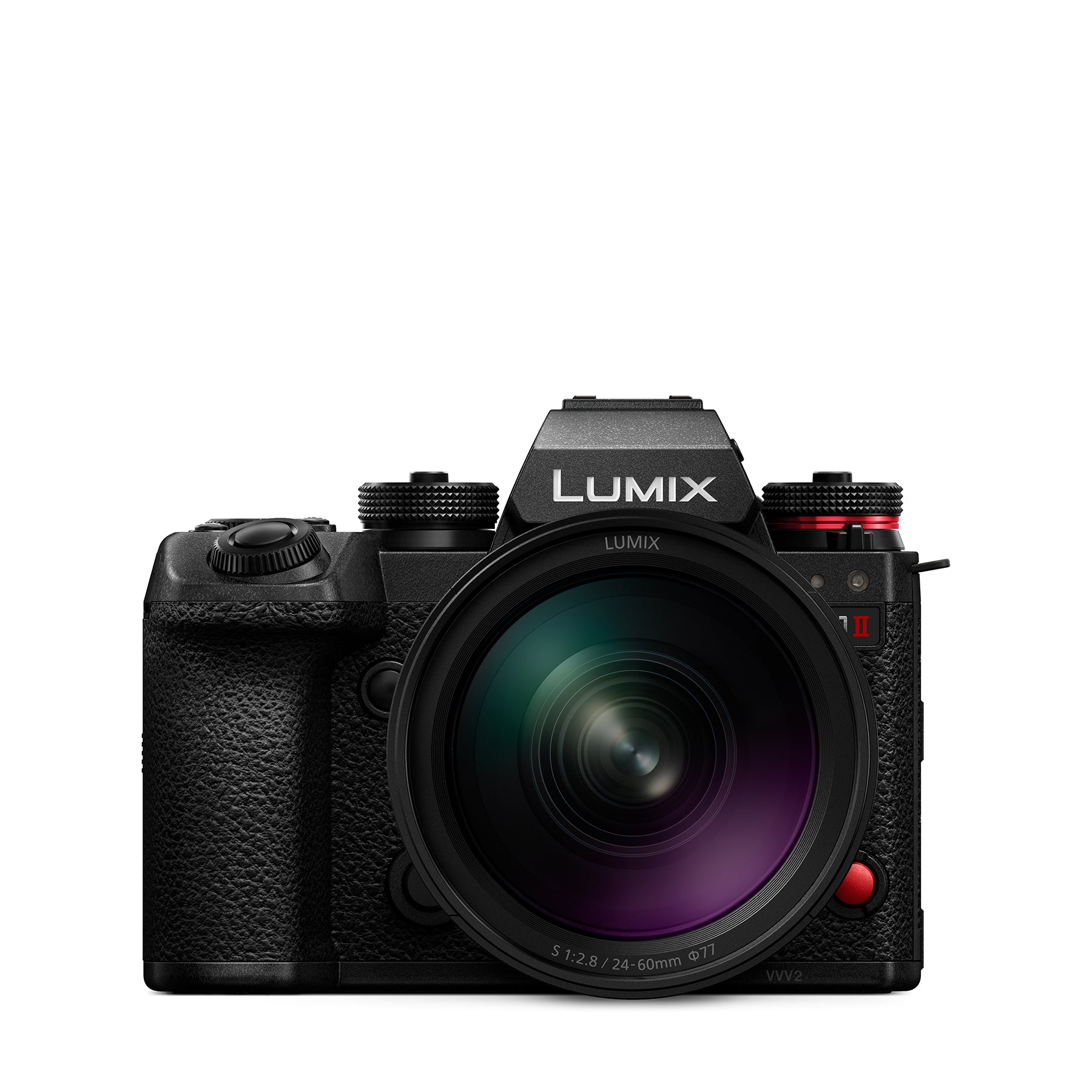
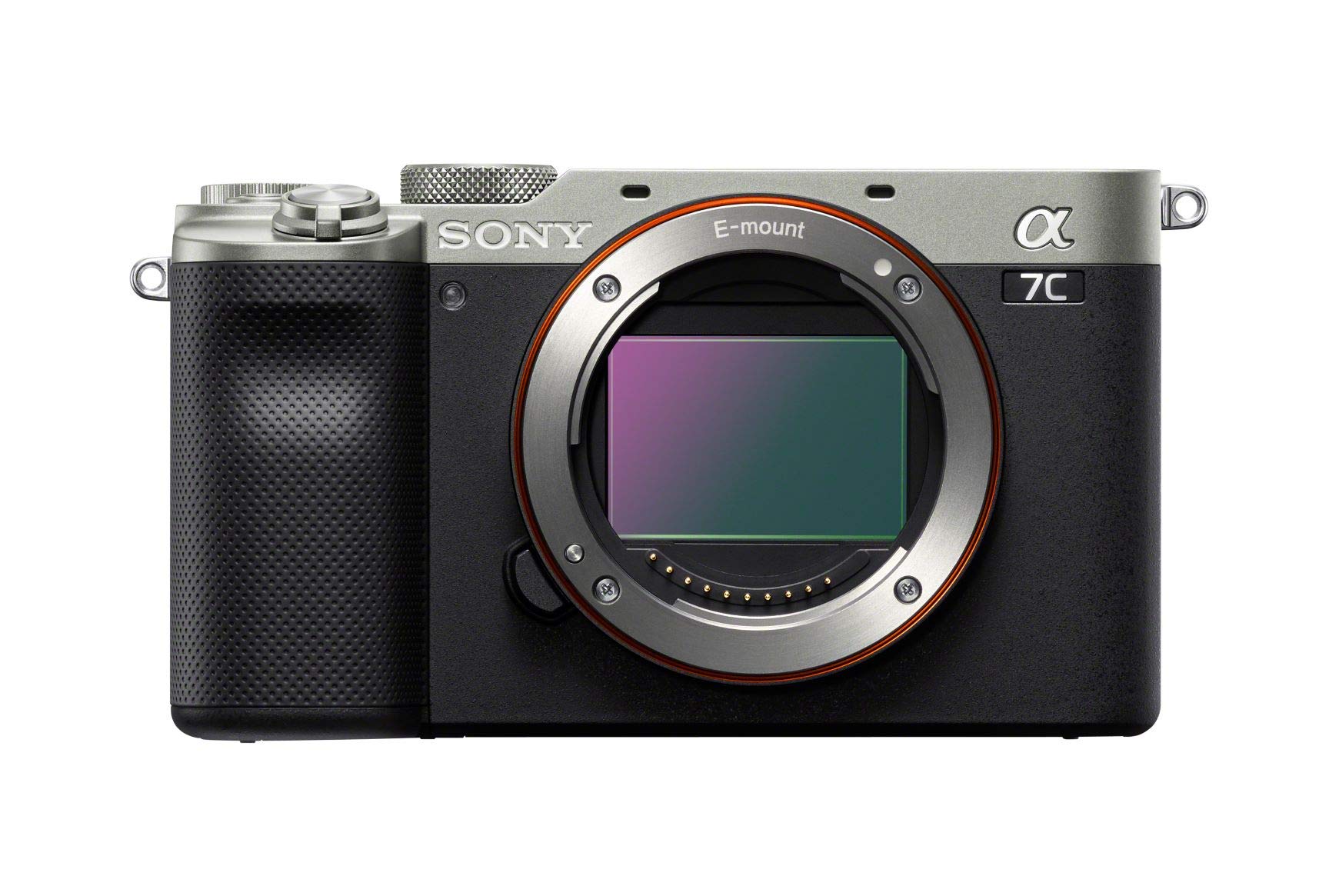
The Panasonic S1 II and Sony A7C are two compelling full-frame mirrorless cameras that cater to a diverse range of photographers and videographers. The S1 II was released in 2023 and represents Panasonic's commitment to high-resolution imaging and advanced video capabilities, while the A7C, launched in 2020, is a compact yet powerful option designed for those prioritizing portability and ease of use without sacrificing performance. Buyers often find themselves choosing between these two cameras based on their specific needs, such as video quality, ergonomics, and autofocus performance.
Key differencing factors include the S1 II's impressive video resolution of 5.1K at 60p, 8-stop image stabilization, and slightly higher megapixel count compared to the A7C, which offers 4K at 30p, a lighter weight, and a longer battery life for extended shooting. This comparison aims to highlight the strengths and weaknesses of each model, shedding light on which is best suited for various types of photographers and videographers.
Specifications Comparison
Detailed Comparison
Image Quality
Both the Panasonic S1 II and Sony A7C feature full-frame sensors, with the former sporting a resolution of 24.1 megapixels compared to the A7C's 24 megapixels. In terms of image quality, both cameras produce stunning results with excellent detail and dynamic range. However, the S1 II benefits from its newer sensor technology, which can offer marginal advantages in low-light situations and improved overall performance, especially when dealing with higher ISO settings.
The S1 II potentially excels with more advanced processing capabilities that enhance color accuracy, while the A7C features a very efficient BIONZ X processor. In practical terms, both cameras will perform remarkably well for landscape, portrait, and event photography. Photographers looking for that extra detail and slight edge in dynamic range may lean towards the S1 II, particularly for large prints or heavy cropping in post-production.
Considering these factors, when evaluating overall image quality under various conditions, and particularly for professional usage, the Panasonic S1 II has a slight edge, although both cameras are capable of delivering excellent results.
Autofocus System
When it comes to autofocus systems, the Sony A7C shines with its formidable 693 phase-detection autofocus points, which provide rapid and accurate focusing capabilities across a large frame. The A7C's autofocus system has been lauded for its ability to track moving subjects effectively, making it a favorable choice for sports and wildlife photography. Its eye-detection autofocus also enhances portrait photography, ensuring sharp results when capturing subjects.
In contrast, Panasonic's S1 II features a more modest autofocus system. While it is not specified how many points it has, Panasonic ensures that its contrast-detection AF works smoothly due to advanced algorithms. However, it generally lags in speed and versatility compared to Sony's system in challenging conditions.
In summary, while both systems are effective, the A7C's advanced autofocus makes it more versatile for dynamic shooting situations, giving it a clear advantage in this comparison.
Video Capabilities
One of the major highlights of the Panasonic S1 II is its impressive video performance, capable of recording 5.1K video at 60 frames per second. This feature makes it an ideal camera for professional videographers looking for high-resolution footage and flexibility in post-production. Additionally, its robust 8-stop stabilization ensures smooth shots even while in motion, significantly enhancing the usability of the camera for video work.
The Sony A7C, while competent in video recording at 4K 30p, cannot match the S1 II in terms of video resolution and frame rate. It is still a capable option for content creators, especially those focused on vlogging and casual filmmaking. However, the lack of higher frame rate options may limit its appeal to more serious videographers.
Overall, for those prioritizing video features, the S1 II clearly stands out as the superior choice between the two, making it the winner in this category.
Build & Ergonomics
The Sony A7C is designed with portability in mind, weighing in at a lightweight 509 grams, and has compact dimensions of 124 x 71 x 60 mm. This makes the A7C an excellent option for traveling photographers or those who prioritize a smaller, less cumbersome setup. Additionally, it features a weather-sealed body, enhancing its durability against the elements, making it versatile for outdoor shoots.
In contrast, the Panasonic S1 II is bulkier and heavier, which is common in its range, as it is equipped with more advanced features that require a more robust body. The ergonomics may feel more substantial and balanced in hand, which some photographers may prefer, especially when using larger lenses. However, its bulkiness could be a disadvantage when it comes to travel.
Ultimately, if portability and compact design are priorities, the Sony A7C takes the lead. Meanwhile, for users who prefer a more solid and professional feel with potentially more control options, the S1 II is favorable.
Battery & Storage
The battery life is a significant consideration, especially for event shooters. The Sony A7C boasts an impressive battery life of approximately 740 shots, which allows for longer sessions without needing to swap out batteries frequently. This makes it particularly attractive for long day shoots or when capturing events.
On the other hand, the Panasonic S1 II, although not specified for battery life in shots, typically has less impressive battery performance in direct comparison, often leading to shorter shooting times. Additionally, both cameras utilize SD cards for storage, with the S1 II supporting dual slots which can be advantageous for backup and overflow.
In terms of raw battery performance, the A7C is favored, making it a better choice for users who need maximum uptime between charges.
Value for Money
The Sony A7C has a current price point of $1799, which is appealing considering its lightweight design, decent video capabilities, and excellent autofocus performance. It offers great value, especially to enthusiasts and those who may be new to full-frame photography.
The Panasonic S1 II's price point is likely higher given its more advanced features, particularly in video resolution and stabilization. It is targeted more towards serious professionals and those who demand high-quality performance in both photography and videography.
Ultimately, while the S1 II provides higher-end capabilities, the A7C offers excellent value, especially for those who prioritize versatility and a smaller form factor without breaking the bank. Hence, for general users, the A7C represents better value for money at this time.
Our Verdict
In conclusion, the Panasonic S1 II takes the crown overall due to its superior video performance and image quality, making it an ideal choice for serious photographers and videographers. While the Sony A7C excels in autofocus performance and portability, it is not as capable as the S1 II in more demanding imaging and video tasks. Thus, for those who prioritize higher video resolutions and stabilization, the Panasonic S1 II is the clear winner, while casual users or those needing a compact system might still find great value in the A7C.
Panasonic S1 II
Sony A7C
Also Compare
Frequently Asked Questions
Which camera is better for videography?
The Panasonic S1 II is better suited for videographers due to its 5.1K video recording capability and superior stabilization.
Is the Sony A7C good for low-light photography?
Yes, the Sony A7C handles low-light photography well with its wide ISO range and advanced autofocus.
Can I use the same lenses on both cameras?
No, the Panasonic S1 II uses the Leica L mount, while the Sony A7C uses the Sony E mount. Lenses are not interchangeable between the two systems.
Which camera is more portable for travel?
The Sony A7C is more portable due to its smaller size and lighter weight, making it easier to carry during travel.
What is the battery life like for both cameras?
The Sony A7C offers a battery life of approximately 740 shots, while the S1 II typically has less impressive battery performance, requiring more frequent recharges.