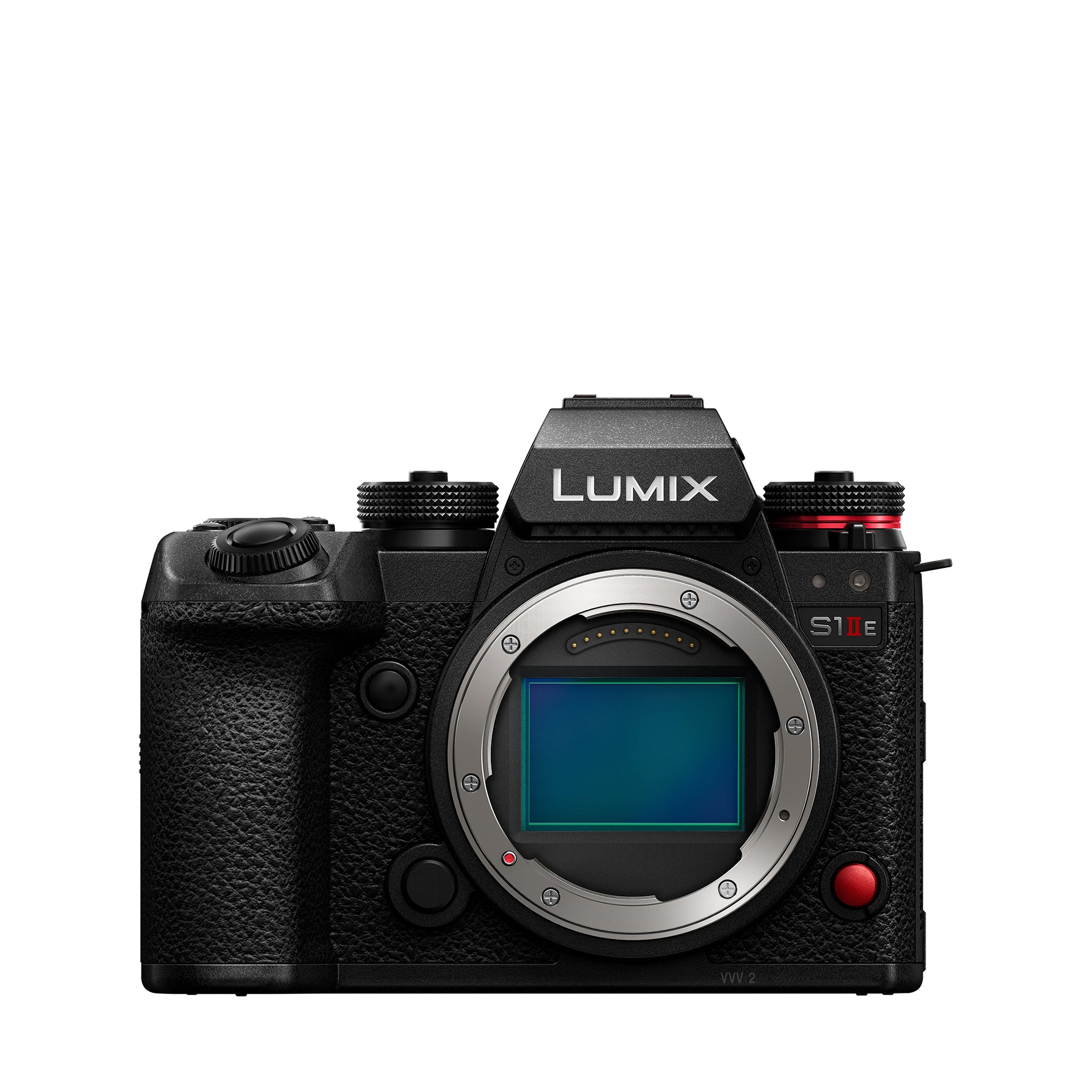

The Panasonic S1 II E and Sony A7S III are both exceptional full-frame mirrorless cameras that cater to the needs of professional and amateur photographers alike. Commonly compared for their strong video capabilities and overall versatility, these models attract users looking for high-quality imaging, enhanced video performance, and reliable autofocus systems. With the growing demand for hybrid shooters who require both stills and video performance, the differences between these two models become crucial in making an informed purchase decision.
Specifications Comparison
Detailed Comparison
Image Quality
In terms of image quality, the Panasonic S1 II E boasts a 24.1 megapixel sensor that allows for superb detail in images, making it a strong contender for photography enthusiasts who prioritize resolution. Its larger megapixel count provides more leeway for cropping and large prints, incorporating more detail in various lighting conditions. Meanwhile, the Sony A7S III, while equipped with a 12-megapixel sensor, excels with its superior performance in low-light conditions due to its design catering specifically for video and high ISO performance. The A7S III's ISO range of 80-102400 (expandable up to 409600) renders it an excellent option for videographers shooting in dimly lit environments.
Autofocus System
When comparing autofocus systems, the Sony A7S III takes a decisive lead with its impressive 759 autofocus points, which provide rapid and precise focusing capabilities. This system is particularly beneficial for capturing fast-moving subjects, making it suitable for event and wildlife photography. In contrast, the Panasonic S1 II E offers a more standard autofocus system, which, while competent, does not match the breadth and efficiency of the A7S III's 759-point setup. Its autofocus might still prove effective in various situations, but it lacks the same responsiveness under challenging conditions, such as poorly lit environments where the Sony excels.
Video Capabilities
Video capabilities are another critical aspect where both cameras shine, but the Panasonic S1 II E offers a greater variety of video resolutions including an impressive 5.9K at 60p. This is particularly appealing to filmmakers who require high-resolution outputs for their projects. Additionally, the S1 II E features 4K video at 120 fps, providing excellent slow-motion options. On the other hand, the A7S III, while limited to 4K 120p, benefits from the renowned S-Log color profiles and dynamic range, which are integral for professional post-production workflows. For those whose primary focus is capturing high-resolution video, the S1 II E stands out, whereas the A7S III captivates those looking for cinematic color output.
Build & Ergonomics
Both cameras exhibit robust build quality suitable for professional use, with the A7S III being notably weather-sealed, making it more durable in adverse conditions. Despite this, the Panasonic S1 II E also presents a sturdy build that incorporates ergonomic touches which many users find comfortable for prolonged use. However, the A7S III is a bit lighter at 699 grams compared to the S1 II E, which could make a difference for shooters carrying their gear for extended periods. Overall, both cameras cater well to professional requirements, with specific strengths in weather-resistance for the A7S III.
Battery & Storage
In terms of battery life, the Sony A7S III offers a dependable 600 shots on a full charge, making it suitable for long sessions without the need for constant recharging. However, the Panasonic S1 II E also provides competitive battery performance although concrete figures are less defined in the specifications provided. Both cameras support dual card slots, allowing flexibility in storage options and redundancy for high-volume shooting, especially valuable in professional environments. This section is closely matched, with both models ensuring that photographers won't run out of storage quickly during shoots.
Value for Money
The pricing of each camera can heavily influence purchasing decisions. The Sony A7S III is priced at approximately $3499, catering to a premium market segment, but offers an exceptional video output and autofocus performance that justify the price for serious filmmakers. The Panasonic S1 II E, while not specified in the data provided, purportedly positions itself competitively in terms of features and capabilities relative to its price, particularly for those seeking high-resolution video options. For users seeking value for 5.9K video capabilities, the S1 II E might represent a more attractive proposition in terms of features against its cost depending on actual market pricing.
Lens Ecosystem
Considering the lens ecosystems supported by each brand, the Sony A7S III benefits from a vast array of native E-mount lenses available in the market. This includes everything from prime lenses to wide-ranging zoom options, giving users extensive creativity upon purchase. On the other hand, while Panasonic has been expanding its L-Mount offerings with Sigma and Leica collaboration, users may find the selection slightly limited in comparison to the extensive offerings available for the Sony E-mount. Users who prioritize a wider range of lens options may find the A7S III more advantageous.
Our Verdict
Overall, the Panasonic S1 II E emerges as the winner due to its superior video resolution capabilities and compelling image quality, making it ideal for users looking to create high-resolution content. Its performance and features also make it suitable for photography-focused users who desire higher megapixel counts. While the Sony A7S III excels in low-light performance, autofocus speed, and lens options, it caters specifically to videographers and professionals prioritizing cinematic shooting and robust autofocus. Depending on the specific needs of the buyer, the S1 II E offers better overall value for those focused on high-resolution stills and videos, while the A7S III serves exceptional purposes in low-light and dynamic scenarios.
Panasonic S1 II E
Sony A7S III
Also Compare
Frequently Asked Questions
Which camera is better for low-light photography?
The Sony A7S III is better for low-light photography due to its lower megapixel count and high ISO performance, allowing it to achieve cleaner images under challenging lighting conditions.
Is the Panasonic S1 II E suitable for professional videography?
Yes, the Panasonic S1 II E is highly suitable for professional videography, offering impressive video resolutions and frame rates, along with versatile recording formats.
How do the autofocus systems compare?
The Sony A7S III excels with its 759 autofocus points, providing faster and more reliable focusing, especially for moving subjects. The Panasonic S1 II E has a capable system but does not match the A7S III in this regard.
Which camera is lighter?
The Sony A7S III is lighter at 699 grams, which may be a consideration for photographers needing to carry their camera for extended periods.
What types of lenses are available for each camera?
The Sony A7S III has a wider selection of native E-mount lenses, while the Panasonic S1 II E has a growing L-Mount ecosystem, but it may not be as extensive as Sony's offerings.