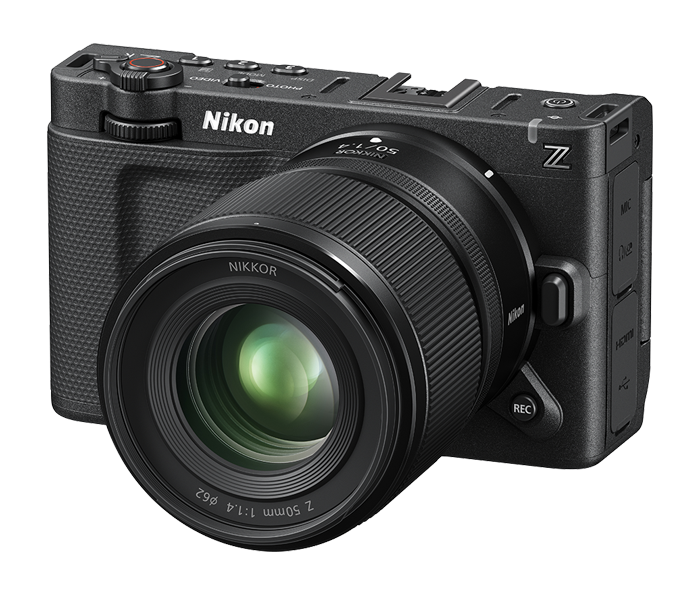

The Nikon ZR and Sony A9 III are two formidable contenders in the full-frame mirrorless camera market, each boasting a host of features that cater to different types of photographers and videographers. With the growing popularity of both brands, these models are frequently compared by enthusiasts and professionals alike, especially those looking for high-performance options in the realm of sports, wildlife, or event photography. While each camera provides excellent image quality and rapid shooting capabilities, they also diverge significantly in terms of specific features that may sway a buyer's decision.
Specifications Comparison
Detailed Comparison
Image Quality
Both the Nikon ZR and the Sony A9 III utilize a full-frame sensor size, with the Nikon ZR having dimensions of 35.9 x 23.9 mm and the A9 III measuring 36 x 24 mm. Both cameras are equipped with 25 megapixels, ensuring that images have sufficient detail and resolution for various applications. In practical terms, this will likely lead to similar image quality under most conditions. However, the Nikon ZR's ISO range of 100-64000 may offer a slight advantage in low light situations compared to the Sony A9 III, which may yield less performance at its extended high ISO options (exact upper limit specs are not given). With photographic consistency being essential for professionals, image quality ultimately comes down to personal preference regarding the brand and color science, with some users preferring Nikon's rendering over Sony's, or vice versa.
Autofocus System
The Nikon ZR features an advanced autofocus system with 273 points that cover most of the frame, which is beneficial for tracking subjects in motion. However, the Sony A9 III outshines the Nikon with a staggering maximum continuous shooting speed of 120 fps thanks to its advanced autofocus tracking and real-time Eye Autofocus, making it a better choice for fast-paced situations like sports and wildlife photography. The performance of both systems is solid, but the speed and reliability of Sony's autfofocus technology often make it the preferred choice among professionals who require rapid subject acquisition in their photography. Therefore, if autofocus speed and performance are the primary concerns, the Sony A9 III leads the pack.
Video Capabilities
The video capabilities of the Sony A9 III, including its ability to shoot 4K at 120p, give it a significant edge for videographers looking for high-performance video recording. In contrast, the Nikon ZR lacks specific video specifications in the provided details, suggesting that it may not cater to professional video production needs. Given the increasing compatibility for high-resolution video and frame rates in contemporary filming, the A9 III's advanced video features provide filmmakers with more creative options, especially for capturing fast-moving action. For users focused on video content creation, the Sony A9 III is clearly the more capable choice in this comparison.
Build & Ergonomics
Both cameras are designed with durability and user comfort in mind. The Nikon ZR is weather-sealed, offering more protection against environmental elements which is appealing for outdoor photographers. Conversely, the Sony A9 III is slightly heavier at 617g and measures larger, with dimensions of 136 x 97 x 83 mm. While the ergonomic design may feel more substantial in hand, it could deter some users looking for a compact setup. The Nikon ZR, at 630g and more compact dimensions of 133 x 81 x 49 mm, may provide better handling during long shooting sessions. Ultimately, the choice may come down to personal preference, with some favoring the compactness and others appreciating the solid feel of the A9 III.
Battery & Storage
Battery performance is crucial for lengthy shoots, and while specific ratings aren't provided for the ZR and A9 III, the latter typically have a solid reputation for longevity. The ZR is said to accommodate 20 FPS, which will deplete the battery more quickly under high-use conditions. However, traditional battery capacities of the A9 series are generally robust and well-optimized. Regarding storage, both cameras support standard SD card types, though additional details on dual card slots would be necessary for a thorough comparison. In areas that can affect overall utility in the field, if long-lasting performance is non-negotiable, Sony would likely maintain an edge based on historical performance.
Value for Money
With the Nikon ZR priced at $2200 and the A9 III's pricing potentially higher given its 2023 release and advanced features, the conversation shifts toward the value proposition for the intended user. For photographers whose primary focus is on still images and who desire body durability for outdoor shooting, the ZR may provide the requisite features without breaking the bank. Conversely, the A9 III, while more expensive, offers cutting-edge speed, advanced video, and superior autofocus capabilities which may justify its cost for those whose income relies on high-quality, high-speed capture capabilities. Therefore, value is substantially dependent upon the specific needs of the buyer.
Our Verdict
Overall, while both the Nikon ZR and the Sony A9 III are strong competitors, the A9 III stands out with its superior autofocus capabilities and advanced video features, making it ideal for professionals dealing with high-speed action and video content. The ZR offers solid image quality and build durability appealing to outdoor photographers looking for a more compact solution. Thus, for users who prioritize speed and video recording, the A9 III is the clear choice, while the ZR provides excellent value for those focused primarily on photography and rugged performance.