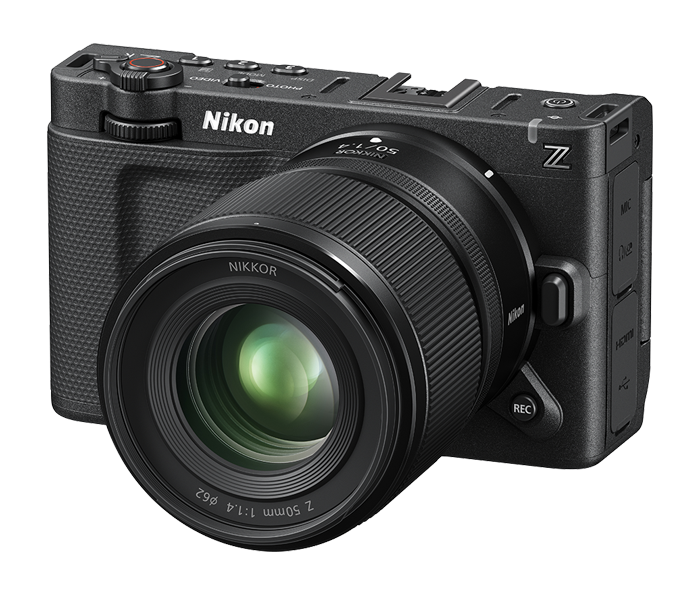

The Nikon ZR and Sony A7S III are both high-performance full-frame mirrorless cameras that have gained significant attention among photography enthusiasts and professional users alike. When considering a purchase between these two models, buyers are often looking for a camera that excels in low-light performance, autofocus capabilities, and video features. The Nikon ZR, with its 25-megapixel sensor and impressive stabilization system, is particularly appealing to photographers who prioritize still image quality and versatility in various shooting conditions. Conversely, the Sony A7S III appeals to videographers and those who need high ISO performance, thanks to its lower megapixel count and superior autofocus system.
The key differentiators between these two models lie in their sensor specifications, autofocus abilities, maximum frame rates, and video recording capabilities. While the Nikon ZR has superior still photo resolution, the A7S III shines in its advanced video features, including higher ISO sensitivity and processing capabilities. Ultimately, the choice between these two excellent cameras will depend on the specific needs and usage scenarios of the buyer.
Specifications Comparison
Detailed Comparison
Image Quality
The Nikon ZR features a 25-megapixel full-frame sensor, providing a great balance of detail and low-light performance, suitable for a variety of photographic styles. With an ISO range of 100-64000, it offers flexibility in diverse shooting conditions, allowing photographers to capture high-quality images even in challenging lighting. The higher pixel count also facilitates more detailed enlargements and cropping without sacrificing image integrity.
In contrast, the Sony A7S III is equipped with a 12-megapixel sensor, which is primarily designed for superior high ISO performance, with an incredible range extending from 80 all the way to 102400, expandable beyond that. This renders it exceptional for low-light photography and video recording situations where noise control is critical. The lower resolution allows for better performance in these environments, as each pixel is larger and can gather more light, resulting in clearer images under low-light conditions.
In terms of dynamic range and color reproduction, both cameras deliver pleasing results, but users may notice differences based on personal shooting conditions, such as dynamic lighting or the necessity for high-resolution images in post-processing. Therefore, while the Nikon ZR may edge out in detail for still photography, the A7S III could be favored by those focusing on low-light situations.
Overall, the winner in Image Quality is dependent on usage: Still photographers may prefer the Nikon ZR, while videographers and low-light-focused shooters might choose the A7S III.
Autofocus System
The autofocus system is a crucial consideration for both still and motion photography. The Nikon ZR features a robust system with 273 autofocus points, providing excellent coverage and accuracy for capturing moving subjects in stills and videos. The camera's fast focusing capabilities are beneficial for action photography and situations requiring swift adjustments in focus.
On the other hand, the Sony A7S III boasts an impressive 759 autofocus points that utilize advanced phase-detection technology. This results in highly reliable subject tracking, particularly for fast-moving subjects, making it a preferred choice for action, sports, and wildlife photography. Furthermore, the A7S III is known for its real-time eye autofocus capabilities that can effectively lock onto subjects' eyes, greatly enhancing the performance for portrait photographers and videographers alike.
Both cameras provide impressive autofocus capabilities, but the higher point count and advanced technology of the A7S III provide it an edge in fast-paced shooting scenarios. For those who prioritize tracking moving subjects with precision, the A7S III is likely to be the preferred choice.
Therefore, the winner in the Autofocus System category is clearly the Sony A7S III.
Video Capabilities
When it comes to video capabilities, the Sony A7S III significantly outshines the Nikon ZR. The A7S III is designed with video in mind and supports 4K recording up to 120fps, offering filmmakers exceptional versatility and smooth slow-motion capabilities. It also excels in low-light conditions, making it suitable for nightlife and event coverage with minimal noise, thanks to its lower megapixel count and expanded ISO range. Additionally, it provides advanced features such as 10-bit 4:2:2 internal recording, S-Log3, and HLG profiles, which are vital for professional color grading.
The Nikon ZR, albeit a capable camera in its own right, offers more limited video features. It lacks higher frame rates and advanced video profiles that the A7S III provides, resulting in a less comprehensive approach to videography compared to the A7S III. While the Nikon ZR can capture high-quality video, the absence of some advanced formats and frame rate options makes it less ideal for serious video production.
In conclusion, for those whose primary focus is video shooting, the Sony A7S III is the clear winner, delivering high-quality video performance that caters to both amateur and professional filmmakers alike.
Build & Ergonomics
Both the Nikon ZR and Sony A7S III boast solid build quality and weather sealing, making them reliable choices for outdoor use. The Nikon ZR has a compact body measuring 133 x 81 x 49 mm and a weight of 630g, which makes it slightly lighter and a bit more compact compared to the A7S III, which measures 129 x 97 x 81 mm and weighs 699g. This difference in dimensions and weight might appeal to photographers who prefer a lighter camera for everyday use or long shooting sessions.
The ergonomics and layout of controls on both cameras differ but can be considered excellent. The Nikon ZR features a user-friendly interface and larger touchscreen, which offers 3,070,000 dots for more clarity when reviewing images. The generous size of the screen, however, could be a matter of preference over the A7S III's 3-inch screen, which has a lower resolution of 1,440,000 dots yet still provides a functional user experience.
Both cameras also incorporate a sufficient grip that makes prolonged handling comfortable. Nonetheless, the addition of an electronic viewfinder (EVF) in the A7S III enhances the shooting experience under bright conditions where backlit screens might be less usable.
Therefore, the Nikon ZR could be favored for lightweight portability while the Sony A7S III might appeal to users who prioritize a more advanced ergonomic setup with an electronic viewfinder. Despite their differences, both models maintain a high level of usability.
Battery & Storage
Battery life is an important aspect for photographers and videographers who need to shoot for longer periods without interruption. The Sony A7S III boasts an impressive battery capacity, allowing for approximately 600 shots per charge, which is commendable for a mirrorless camera, especially when engaging in video recording. This extended battery life can be crucial for those working in dynamic environments or when shooting longer events.
On the contrary, the Nikon ZR's battery life specifications have not been highlighted, but it generally follows the full-frame mirrorless standard. It is essential to consider factors like actual usage patterns, such as screen time and shooting frequency, which may affect overall camera performance. Depending on settings and usage, actual results could vary between both models.
When it comes to storage, both cameras use standard storage solutions, but the A7S III supports CFexpress Type A cards, ensuring faster write speeds essential for 4K video recording, which is a significant advantage for videographers. The Nikon ZR's storage capabilities should be assessed in alignment with its performance in stills, which are typically less demanding than 4K video recording needs.
Consequently, in terms of battery life and storage options, the Sony A7S III is likely the winner, especially for video-centric users who require extensive recording capabilities.
Value for Money
When evaluating value for money, the Nikon ZR is priced at $2200, while the Sony A7S III is significantly higher at $3499. The price difference reflects the varying target markets and functionalities of each camera. For photographers who seek a balance of performance, usability, and cost without requiring advanced video features, the Nikon ZR represents solid value, particularly considering its capabilities in still photography and overall performance.
On the other hand, for professionals who need robust video capabilities, excellent low-light performance, and advanced autofocus, the higher investment for the A7S III is justified by its features. Additionally, the A7S III's extensive video capabilities and superior autofocus make it attractive to filmmakers looking to invest long-term, while the Nikon ZR caters well to general photographers.
Ultimately, while the initial cost of the A7S III may be higher, its specialized features may provide greater long-term value for specific users. Conversely, the Nikon ZR offers a more accessible price, catering to those not needing the video capabilities of the A7S III.
The conclusion is that the Nikon ZR offers better value for general photographers, while the A7S III excels in providing value for videographers and content creators requiring advanced video functionalities.
Our Verdict
In evaluating both the Nikon ZR and Sony A7S III, the overall winner is the Sony A7S III, which excels in video capabilities, autofocus performance, and battery life, appealing to videographers and those who prioritize high ISO performance. However, the Nikon ZR offers excellent value for still photographers who seek a capable full-frame camera without the advanced video features at a lower price. Each camera serves distinct user needs, with the ZR being a great option for general photography, while the A7S III stands out as the superior choice for dedicated video use.
Nikon ZR
Sony A7S III
Also Compare
Frequently Asked Questions
Which camera is better for low-light photography?
The Sony A7S III generally provides better low-light performance due to its lower megapixel count and higher ISO sensitivity, making it suitable for dark environments.
How do the autofocus systems compare?
The Sony A7S III has a superior autofocus system with 759 autofocus points, compared to the Nikon ZR's 273 points, making it better for tracking fast-moving subjects.
Is the Nikon ZR a good choice for videography?
While the Nikon ZR can handle video quite well, it lacks some advanced video features like higher frame rates and 10-bit recording that the Sony A7S III offers.
What is the weight difference between the two cameras?
The Nikon ZR is slightly lighter at 630g compared to the Sony A7S III, which weighs 699g, making the ZR a bit more portable.
Which camera provides better overall value?
The Nikon ZR offers better value for still photographers with its lower price and versatility, while the A7S III is worth the investment for serious videographers.