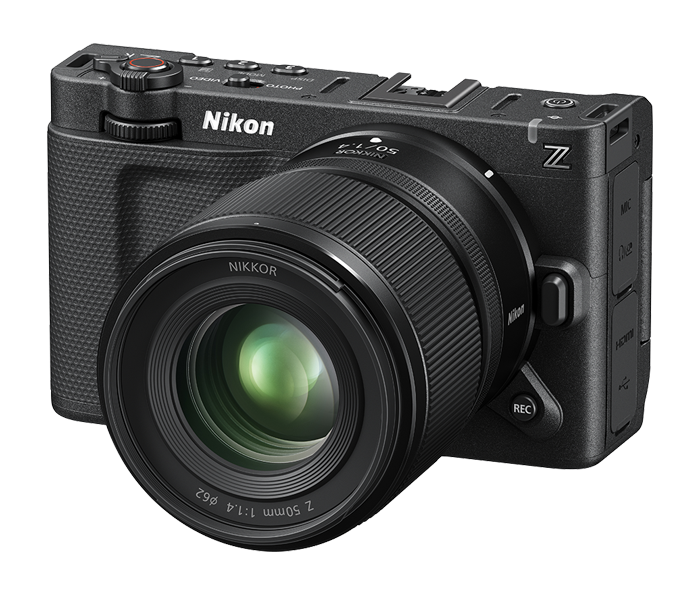
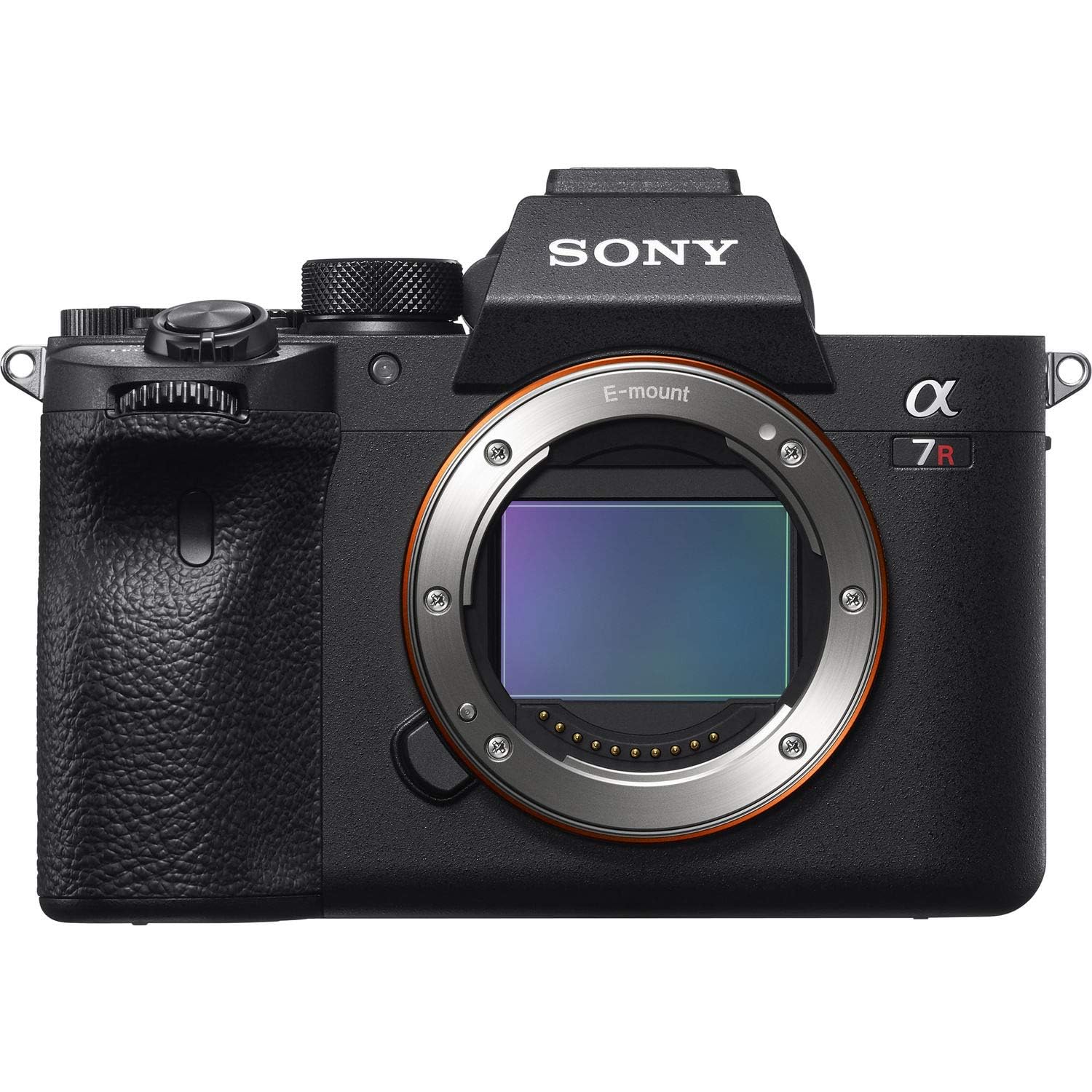
The Nikon ZR and Sony A7R IV are both remarkable full-frame mirrorless cameras that attract photographers seeking high-resolution capabilities, advanced features, and robust performance. They are often compared because both models target similar segments of the photography market, particularly those interested in professional and high-quality imaging solutions. The choice between the two typically hinges on specific needs such as resolution, autofocus intricacies, and overall user experience. Furthermore, each camera brings its unique advantages and potential limitations which buyers must weigh carefully.
Specifications Comparison
Detailed Comparison
Image Quality
When it comes to image quality, the Sony A7R IV significantly outshines the Nikon ZR with a whopping 61 megapixels compared to the ZR's 25 megapixels. This higher resolution provides photographers with more detail and the ability for larger print sizes or cropping flexibility without losing clarity. The A7R IV's full-frame sensor size (35.7 x 23.8 mm) is slightly smaller than the ZR's (35.9 x 23.9 mm), but both sensors deliver excellent low-light performance. However, the ZR has an ISO range that extends up to 64,000, catering well to challenging lighting conditions. Ultimately, while both cameras produce outstanding images, the Sony A7R IV's higher megapixel count offers a decisive edge, particularly for landscape, studio, and high-end commercial work.
Autofocus System
The autofocus systems of both cameras are robust, but they cater to different needs. The Sony A7R IV features 567 autofocus points, including phase-detection and contrast-detection systems, making it superior for fast-moving subjects and tracking capabilities. In contrast, the Nikon ZR has 273 autofocus points, which, while competent, does not match the sheer number and effectiveness found in the A7R IV. Photographers focusing on action shots, wildlife, or sports photography would likely find the A7R IV to have an advantage due to its superior focusing speed and precision. Meanwhile, the ZR's system still offers decent performance for general photography needs.
Video Capabilities
In terms of video capabilities, the Nikon ZR has yet to establish a strong video position in its specifications, as it lacks specific details such as maximum resolution and frame rates. On the other hand, the Sony A7R IV supports 4K video at 30p, making it a versatile option for videographers. The absence of substantial video specs in the ZR makes it less appealing for users who also prioritize video functionality, thus solidifying the A7R IV's status as the better option for hybrid shooters who need both photo and video capabilities.
Build & Ergonomics
Both the Nikon ZR and Sony A7R IV come with robust weather sealing, making them suitable for use in various environments. The Nikon ZR is slightly bulkier and heavier at 630g compared to the A7R IV's 665g. Despite this, the ergonomic design of both cameras offers comfortable handling, though users may find the A7R IV's grip and button layout more intuitive during extended shoots. The ZR boasts a larger screen with 3,070,000 dots compared to the A7R IV's 1,440,000 dots, enhancing usability for manual focus and reviewing images. This slight edge in screen quality might favor the Nikon ZR for certain photography styles.
Battery & Storage
Battery life is another critical aspect where the Sony A7R IV excels, with an impressive capacity of about 670 shots compared to the Nikon ZR, which lacks specific battery life data. Additionally, the A7R IV supports dual card slots, providing versatility for professional use and safety for important shoots, while the ZR does not specify its storage features. This makes the A7R IV a more reliable option for photographers needing improved storage solutions or extended shoot times without interruption. Therefore, in practical usage scenarios, the Sony A7R IV clearly leads in this category.
Value for Money
The Nikon ZR is priced at $2,200, making it a more budget-friendly option compared to the $3,500 price tag of the Sony A7R IV. For photographers who are primarily interested in high-quality still images and less concerned with video, the ZR offers significant savings while still delivering excellent image quality and features. However, considering the A7R IV's higher resolution, advanced autofocus system, and comprehensive video features, it presents a compelling case for those seeking the best overall performance. Thus, while the Nikon ZR is a great value for entry into full-frame photography, the Sony A7R IV justifies its higher price in terms of extensive capabilities.
Our Verdict
In conclusion, the choice between the Nikon ZR and the Sony A7R IV ultimately depends on specific user needs and shooting preferences. The A7R IV excels with its high resolution, advanced autofocus, and video capabilities, making it the ideal choice for professional photographers and hybrid shooters looking for top-tier performance. Conversely, the Nikon ZR provides excellent value, solid ergonomics, and a robust feature set at a lower price, appealing to those who may not need the extensive capabilities of the A7R IV but still desire high-quality imaging. Both cameras have their strengths, and the right choice lies in aligning their features with the user's photography goals.