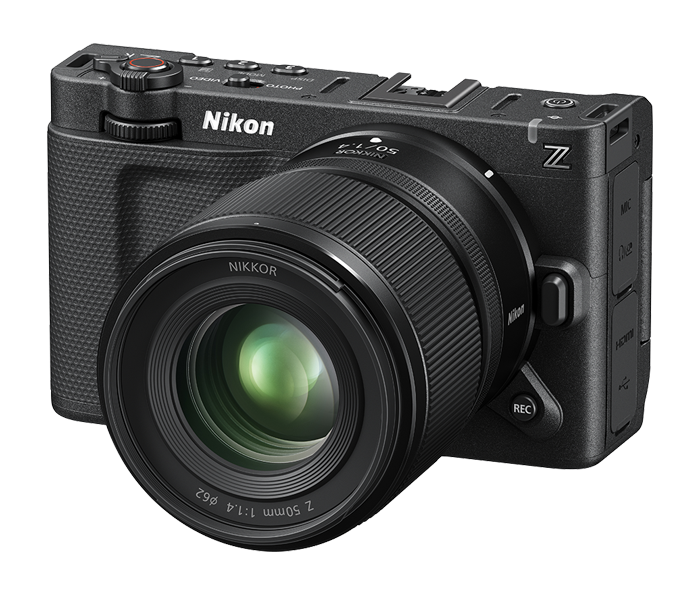
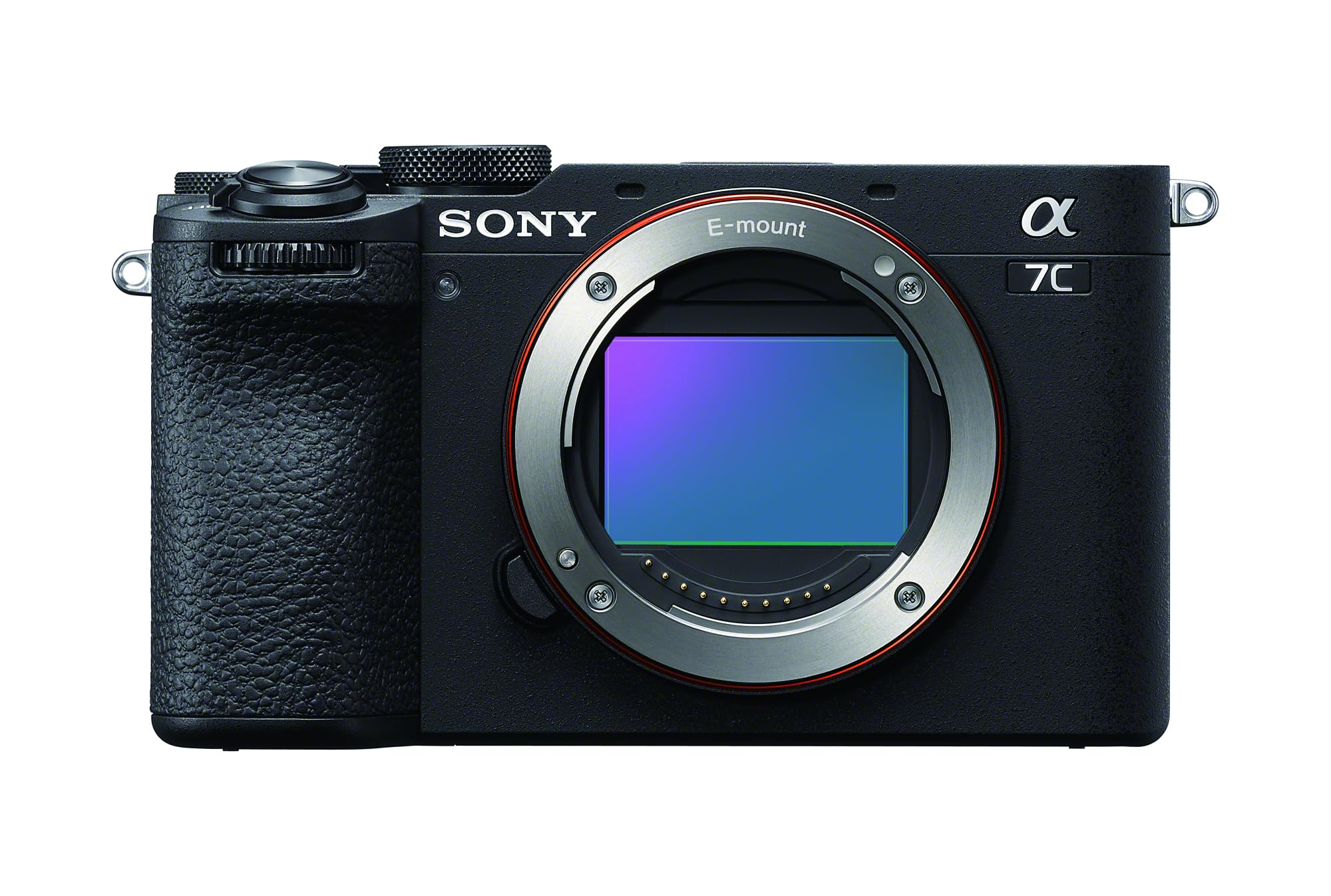
The Nikon ZR and the Sony A7C II are two highly regarded full-frame mirrorless cameras that are commonly compared by photographers and videographers alike. They both target enthusiasts and professionals who seek high-quality performance in a compact form factor while offering unique features to accommodate diverse shooting styles. With a competitive price point reflecting their advanced capabilities, these cameras invite buyers to weigh their preferences around image quality, autofocus performance, video specifications, and overall usability before making a purchasing decision.
Specifications Comparison
Detailed Comparison
Image Quality
When it comes to image quality, both cameras offer distinct advantages. The Nikon ZR features a 25-megapixel sensor, which is adequate for most photography needs, including high-resolution landscapes and portraits. The lower megapixel count can contribute to less noise at higher ISOs, making it particularly appealing for low-light shooting, especially with its ISO range of 100-64000. On the other hand, the Sony A7C II boasts a 33-megapixel sensor, delivering higher resolution images that are beneficial for detail-oriented work like landscape and product photography. With its ISO range expanding up to 204800, the Sony may present a slight edge when it comes to pushing the limits of low-light performance. The increased megapixels also allow for more cropping flexibility in post-processing.
In real-world applications, users have reported that both cameras can produce stunning images with excellent dynamic range and color fidelity, though the choice between them may come down to specific needs-such as if one values higher resolution or better low-light performance. Thus, for users prioritizing high-resolution imagery, the Sony A7C II would take a slight lead. Nonetheless, for enthusiasts who feel comfortable managing noise levels, the Nikon ZR stands equally strong.
Overall, this aspect is nuanced, and each camera shines in different areas of image quality; therefore the result may be subjective depending on user preferences and intended applications.
Autofocus System
Autofocus performance is essential for both stills and video, and in this regard, the Sony A7C II outshines the Nikon ZR with its 759 autofocus points compared to Nikon's 273. This wide coverage allows for quicker and more effective subject tracking, especially for moving subjects, making it ideal for sports and wildlife photography. The A7C II incorporates advanced Eye-AF technology capable of recognizing and tracking eyes, even in difficult light conditions, which many professional photographers find useful.
On the other hand, while the Nikon ZR may have fewer points, it still provides fairly rapid autofocus performance that meets the expectations for most photography scenarios. It features good low-light autofocus capabilities as well, but it may not match the responsiveness and coverage that the A7C II offers. The added advantage of the Nikon's stabilization system, rated at 7.5 stops, helps in maintaining sharp results even during handheld shooting, which further complements its autofocus performance.
Therefore, while both cameras provide competent autofocus systems, the significant difference in the number of focus points and advanced tracking capabilities gives the Sony A7C II an edge in this area.
Video Capabilities
Video enthusiasts will find that the Sony A7C II is a more robust choice with its ability to record 4K video up to 60 frames per second, surpassing the capabilities of the Nikon ZR, which lacks video recording features entirely. This specification makes the A7C II a go-to option for those wanting to produce high-quality video content without compromise. The A7C II also incorporates modern video features such as S-Log profiles, which offer greater flexibility in color grading during post-processing.
While the Nikon ZR excels in still photography, it does not cater to video shooters looking for advanced video specs or features. This puts the Nikon at a disadvantage for users seeking an all-in-one solution; videographers would need to look elsewhere, while Nikon users may need a dedicated video camera in addition to their DSLR. Therefore, those prioritizing video performance would find the A7C II to be a clear winner, given its extensive capabilities and advanced features designed specifically for videographers.
Build & Ergonomics
Both the Nikon ZR and Sony A7C II offer solid builds with weather sealing, lending themselves well to outdoor photography in varying conditions. The Nikon ZR is slightly heavier at 630g compared to the A7C II's 514g, which may impact portability for traveling photographers. The ZR offers a more substantial grip, making it comfortable for extended shooting sessions, compared to the A7C II's compact design which may feel a bit cramped for those with larger hands.
In terms of controls, the Nikon ZR features an intuitive layout that many users find easy to navigate, which can enhance the shooting experience significantly. Conversely, the A7C II, being designed for compactness, opts for fewer buttons, which may require some adapting for users who prefer dedicated controls. While the smaller design of the A7C II can make it more portable, some photographers may compromise on ergonomics for enhanced compactness.
That said, which camera feels better in the hand can be subjective and based on user preference. Hence, while both cameras are well-constructed, the feel in hand and ease of access to controls may sway personal preference toward one camera over the other.
Battery & Storage
Battery life can be a crucial factor for photographers who shoot extensively in the field. The Sony A7C II offers an impressive battery life rated for approximately 540 shots, while the Nikon ZR, although not specified, typically follows suit and may fall in a comparable range given the efficiency of mirrorless designs. Moreover, the need for two-card slots may benefit those who regularly shoot large files. The A7C II allows for dual storage in its card slots, which provides a significant advantage for continuous shooting and securing backup files during critical shoots.
If portability matters, the smaller battery of the A7C II allows for lighter setups and the potential to carry additional batteries without much weight burden. By contrast, those needing to maximize storage may need to make accommodations when shooting with the Nikon ZR based on its single card configuration. Therefore, given the battery performance and dual storage capabilities, the A7C II edges out in this category.
Value for Money
Both the Nikon ZR and Sony A7C II are priced similarly at $2200, leading to an interesting breadth of value assessment across users. The A7C II offers more versatility for both photography and videography, making it a better value for users requiring robust features in both areas. With the enhanced autofocus, dual card slots, superior video specs, and overall ergonomics, many would argue that the A7C II provides greater capabilities for the price.
The Nikon ZR, while slightly lacking in video capabilities, still delivers excellent image quality and handling, making it an attractive choice for users who focus primarily on still photography. Thus, it holds its value admirably for those who prioritize durability and high-quality imagery over multimedia performance. However, if versatility is what one seeks, the Sony A7C II comes out ahead in offering a more well-rounded package.
In summation, considering the overall feature set, versatility, and performance across multiple use cases, the Sony A7C II represents slightly better value for money in this comparative landscape.
Our Verdict
Evaluating the overall aspects, the Sony A7C II emerges as the winning choice for most users, particularly those who value video capabilities, superior autofocus, and robust build quality. While the Nikon ZR offers strong performance in still photography and may cater to dedicated photographers needing a full-frame option with excellent image quality, its limitations in video capabilities and autofocus may not meet the needs of a broader audience. For users who shoot both photos and videos or require high-performance video features, the Sony A7C II stands out as the more comprehensive and valuable investment.
Nikon ZR
Sony A7C II
Also Compare
Frequently Asked Questions
Which camera is better for low-light photography?
Both cameras perform well in low-light situations, but the Nikon ZR has a lower megapixel count which can reduce noise at higher ISOs, giving it an edge for low-light photography.
Is the Sony A7C II worth it for video use?
Yes, the Sony A7C II offers extensive video capabilities, including 4K recording at 60fps, making it an excellent choice for videographers.
What are the differences in battery life?
The Sony A7C II offers a longer rated battery life at around 540 shots, while the Nikon ZR's battery performance is comparable though not explicitly stated.
How do the autofocus systems compare?
The Sony A7C II has 759 autofocus points versus the Nikon ZR's 273, making it superior for tracking moving subjects and capturing fast action.
Which camera is better for traveling?
The Sony A7C II is lighter and more compact, making it a more convenient option for travel photographers who prioritize portability.