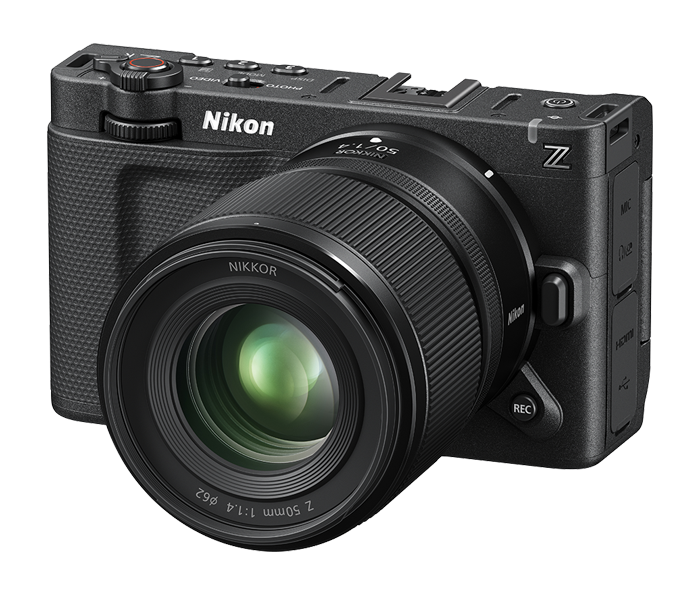
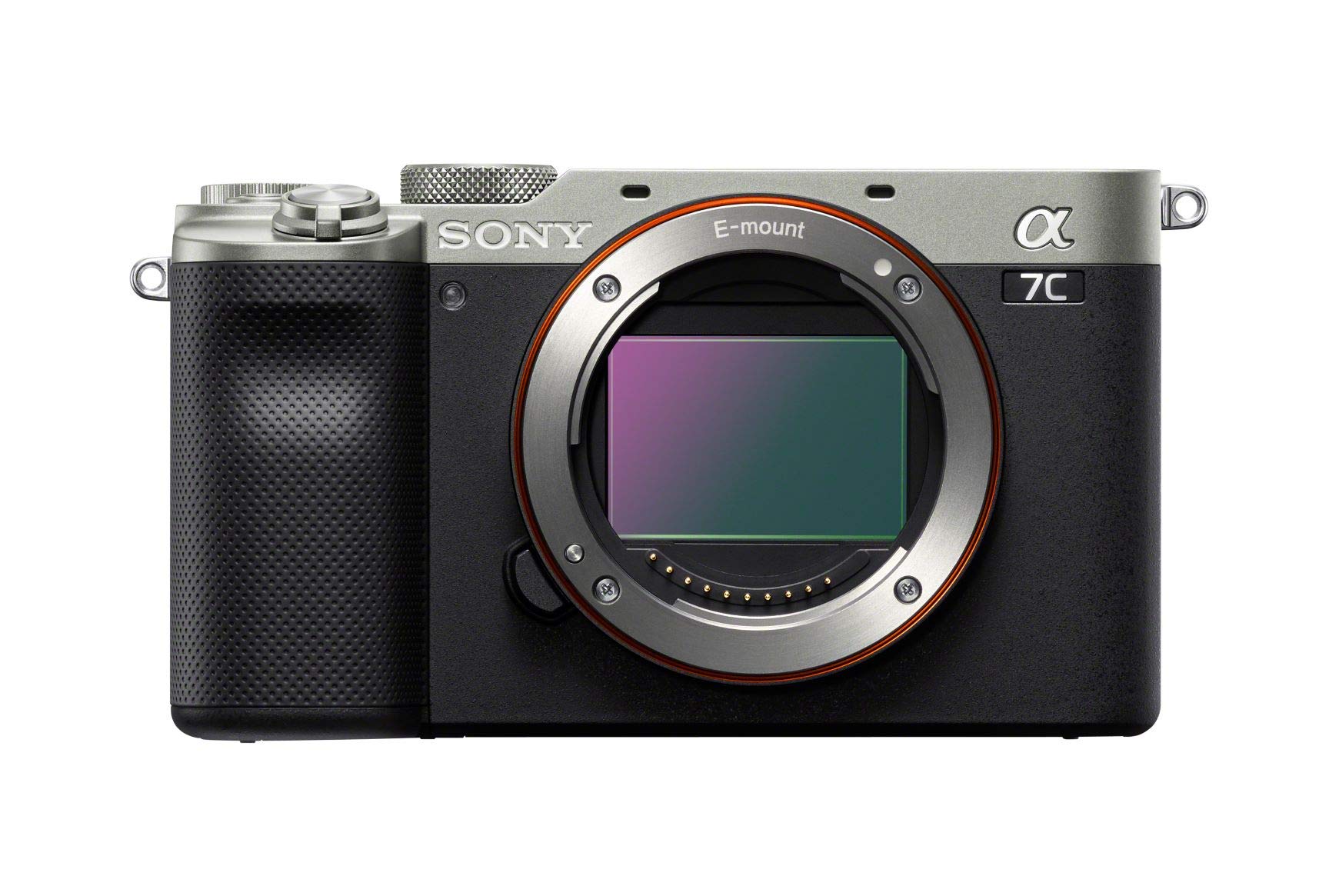
The Nikon ZR and the Sony A7C are two compact full-frame mirrorless cameras that consistently attract the attention of both photography enthusiasts and professionals. Both models offer impressive image quality, advanced autofocus systems, and robust build quality, which is why they are often compared in discussions about the best options within the full-frame category. Photographers seeking versatility and performance in a lightweight package typically gravitate towards these two models, making understanding their differences essential for making an informed choice.
Key differentiators include the Nikon ZR's higher frame-per-second capture rate, more advanced in-body stabilization, and a slightly larger sensor. In contrast, the Sony A7C offers a more established autofocus system with a higher number of focus points, as well as a more compact design and greater lens availability, which may be a deciding factor for many users. This comparison will explore various aspects of each camera, allowing potential buyers to identify which camera best aligns with their specific needs.
Specifications Comparison
Detailed Comparison
Image Quality
Both the Nikon ZR and the Sony A7C feature full-frame sensors that deliver excellent image quality. The Nikon ZR has a slightly higher resolution with a 25-megapixel sensor compared to the Sony A7C's 24-megapixel sensor, allowing for marginally finer detail in images. Additionally, the ZR supports an ISO range of 100-64000, which is slightly broader than the A7C's 100-51200, although the A7C can expand to an impressive 204800, showcasing its adaptability in low-light situations.
In practical use, both cameras produce images with vibrant colors, good dynamic range, and low noise levels. However, low-light performance might slightly favor the A7C due to its more extensive expanded ISO capability. Despite this, the Nikon ZR's higher maximum ISO offers excellent performance up to 64000, providing versatility for various shooting conditions without sacrificing too much quality.
Overall, while both cameras perform exceptionally well, the differences in resolution and ISO performance may sway those with specific preferences regarding image quality. Therefore, this aspect could be considered a tie, as both cameras cater to different usage scenarios effectively.
Autofocus System
The autofocus capabilities of the Nikon ZR and the Sony A7C are significant selling points for each model. The Nikon ZR boasts 273 autofocus points, delivering reliable tracking and focusing speed in many shooting environments. However, the Sony A7C takes the lead with an impressive 693 focus points, enhancing its ability to lock onto subjects quickly and maintain focus, especially useful in dynamic situations such as sports or wildlife photography.
Moreover, the advanced Real-time Eye autofocus system present in the A7C is highly regarded for portrait and wildlife photography, ensuring that subjects remain in focus even during movement. In contrast, while the Nikon ZR offers effective autofocus, it doesn't quite match the comprehensive tracking capabilities of the A7C.
In summary, the autofocus system clearly favors the Sony A7C for those who prioritize fast and accurate focusing, making it the winner in this category.
Video Capabilities
When it comes to video performance, the Sony A7C supports 4K video recording at up to 30 frames per second, offering a great option for creators looking to capture high-quality footage. The incorporation of various video features alongside its autofocus capabilities makes it a strong contender for videographers. Conversely, the Nikon ZR lacks specific video resolution details but instead focuses on a high frame rate option, achieving maximum bursts of 20 frames per second in still photography, which is impressive for action shots.
However, if video capabilities are a determining factor, the absence of defined 4K specifications on the Nikon ZR suggests that the A7C holds the edge here, given its established capabilities for video recording. The choice might come down to the user's priority; if video performance is a primary concern, the A7C is the clear winner in this aspect.
While both cameras have their strengths, the A7C is better suited for hybrid shooters who require strong video support.
Build & Ergonomics
In terms of build quality, both the Nikon ZR and Sony A7C offer weather-sealed bodies, providing protection against the elements, crucial for outdoor photography. The Nikon ZR, weighing in at 630g, is slightly heavier than the A7C's 509g, reflecting a difference in design and materials used-something that could be a factor for users who do extensive travel or shooting on-the-go. The ZR's dimensions (133 x 81 x 49 mm) may feel more robust in hand, whereas the A7C's compact and light design (124 x 71 x 60 mm) enhances portability and ease of use.
In terms of usability, the Nikon ZR features a larger 4-inch touchscreen display with 3,070,000 dots for clear visibility while shooting. This is a distinct advantage over the A7C's 3-inch, 921,600 dots screen, which, while functional, may not be as vibrant for fine detail. The lack of a viewfinder in the ZR may be a drawback for some, while the A7C's electronic viewfinder offers an additional way to compose shots in bright sunlight or challenging lighting.
These differences in build and ergonomics may determine which camera is preferable based on personal comfort and shooting preferences. Therefore, this category may slightly favor the ZR for its screen quality but is moderated by the superior form factor of the A7C for portability, resulting in a close contest.
Battery & Storage
Battery life can play a crucial role in long shooting sessions, and in this regard, the Sony A7C shines with an impressive capacity to capture up to 740 shots on a single charge, making it a strong choice for users needing extended use without frequent recharging. The Nikon ZR does not specify battery life in terms of shot count, but users might find longer use cases necessary to match the A7C's endurance, particularly given its high-frame performance features.
Both cameras utilize dual card slots, providing flexibility for storage options. This is essential for professional photographers who may require high-capacity storage for both photo and video work, allowing for seamless workflow under varying conditions.
Overall, the A7C's notable battery longevity hails it as the better choice for users prioritizing battery performance during extended shoots.
Value for Money
The Nikon ZR is priced at $2200, positioning it as a higher-end option, which could be justified considering its advanced features like superior image stabilization and higher FPS in stills, making it a compelling choice for serious photographers who demand performance. However, some users may hesitate at the price point with more limited autofocus capabilities compared to its rival.
On the other hand, the Sony A7C, priced at $1799, presents a more attractive option for beginners and hybrid shooters, particularly those exploring both photography and videography within a tightly packed budget. The A7C's comprehensive feature set, higher autofocus points, and longer battery life generally provide better overall value, especially for users torn between stills and motion capture.
In this value assessment, the A7C emerges as the more accessible option for many shooters without sacrificing crucial features, making it the winner for value for money.
Our Verdict
In this detailed comparison between the Nikon ZR and the Sony A7C, the overall winner is the Sony A7C, which excels particularly in autofocus capabilities, video performance, battery life, and value for money. While the Nikon ZR offers some advanced features like higher FPS and is better suited for still photography enthusiasts, the A7C stands out for its remarkable versatility and compact design. Therefore, beginners and hybrid shooters looking for an easy-to-use yet feature-rich camera would find the A7C to be a superior choice, while professionals focused on high-performance stills may lean towards the Nikon ZR.
Nikon ZR
Sony A7C
Also Compare
Frequently Asked Questions
Which camera is better for low-light photography?
Both cameras perform well in low-light conditions, but the Sony A7C may offer better versatility with its expanded ISO range to 204800, making it suitable for extreme low-light scenarios.
How do the autofocus systems compare in practical use?
The Sony A7C has significantly more autofocus points (693 vs. 273) and features advanced tracking capabilities, making it far superior for dynamic subjects compared to the Nikon ZR.
Is there a notable difference in video capabilities?
Yes, the Sony A7C supports 4K video recording up to 30 frames per second, while the Nikon ZR lacks specified video details, making the A7C the better choice for video creators.
How does the build quality of each camera hold up?
Both cameras are weather-sealed and robustly built, but the Nikon ZR's larger screen could provide a more user-friendly interface, while the Sony A7C's lighter design appeals to those prioritizing portability.
Which camera offers better value for amateur photographers?
The Sony A7C is generally considered better value for aspiring photographers due to its lower price point, extensive feature set, and excellent performance in both photo and video applications.