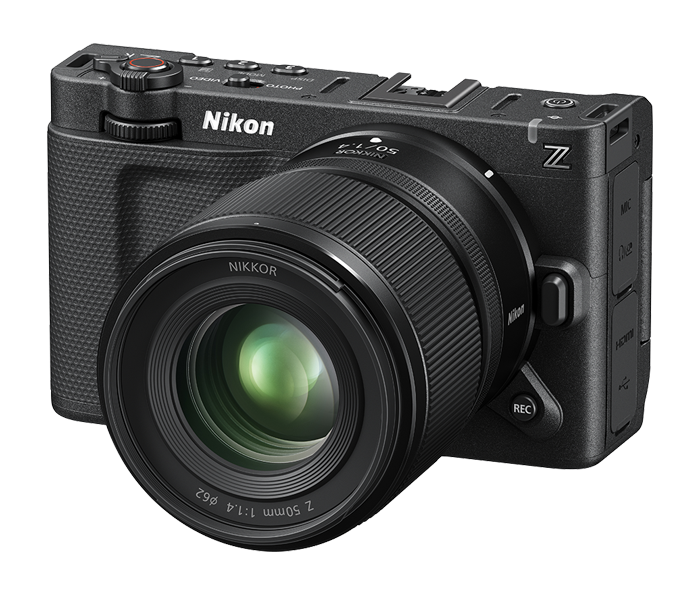
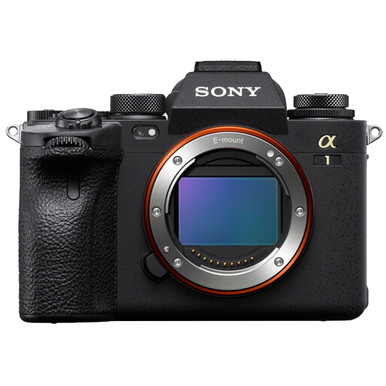
The Nikon ZR and Sony A1 are two high-end mirrorless cameras that are often compared by both professional photographers and enthusiasts seeking premium performance across various shooting scenarios. Both cameras are equipped with full-frame sensors and advanced features, making them suitable for both still photography and video capture. The choice between the two often comes down to specific needs such as image quality, autofocus capabilities, and other practical considerations like weight and system compatibility. Notably, the Nikon ZR is positioned at a lower price point, while the Sony A1 boasts higher specifications in several key areas, including resolution and frame rate capabilities.
Specifications Comparison
Detailed Comparison
Image Quality
In terms of image quality, the Sony A1 shines with its 50 megapixel sensor, providing high-resolution images that cater to large print outputs and detailed cropping. The wider ISO range, extending from 50 to 102400, combined with its advanced processing capabilities, ensures that the A1 performs exceedingly well in low-light conditions. Meanwhile, the Nikon ZR offers a respectable 25 megapixels, which is sufficient for most applications, and its ISO range reaching 64000 allows for great performance in dim environments. However, while it offers good quality, the megapixel count of the ZR may limit extreme cropping scenarios when compared to the A1.
Both cameras produce high-quality images with excellent dynamic range and color accuracy, but the higher resolution of the A1 allows for greater flexibility in post-processing. The Nikon ZR, while still very capable, is likely to appeal more to photographers who prioritize a lightweight system over absolute megapixel count.
Autofocus System
The autofocus systems of both the Nikon ZR and the Sony A1 are impressive, yet they serve different needs. The Sony A1 features 759 autofocus points, allowing for a wider coverage and more precise tracking of moving subjects. This makes the A1 an excellent choice for action photography or fast-paced environments. In contrast, the Nikon ZR comes equipped with 273 autofocus points, which is still highly competent for many shooting scenarios but lacks the breadth and speed of the A1.
In practice, both systems are extremely effective, but professionals who rely heavily on rapid focusing for sports or wildlife photography might find the A1's system superior. Additionally, the A1's features such as real-time eye autofocus provide an edge in portraiture. Thus, while both systems are advanced, the higher number of points and superior tracking capabilities give the edge to the A1.
Video Capabilities
When it comes to video capabilities, the Sony A1 takes the lead. It supports 4K video recording at up to 120 frames per second, offering stunning slow-motion capabilities and high-resolution video options. This makes it particularly suited for videographers seeking to produce high-quality cinematic content. Furthermore, the A1 supports various advanced video codecs and professional features that enhance its video recording versatility.
On the other hand, the Nikon ZR does not match this level of performance as it does not specify video recording capabilities in the provided details. Its features must be considered inadequate for filmmakers who require high frame rates or advanced functionality. For those prioritizing video production, the A1 is undoubtedly the better choice.
Build & Ergonomics
Both the Nikon ZR and the Sony A1 are weather-sealed, making them robust options for outdoor photography. The Nikon ZR is slightly heavier at 630g compared to the A1's 737g, which might make a noticeable difference during extended shooting sessions. The dimensions of the ZR are more compact, potentially offering better portability.
In terms of ergonomics, the grip on the A1 is designed to accommodate larger lenses and extended use, making it more comfortable for professional use. Both cameras offer good button layout and accessibility. However, the ZR might appeal to photographers looking for a lighter and smaller system for more casual or travel-oriented work.
Battery & Storage
The Sony A1 boasts a battery life of approximately 530 shots, which is decent for a high-performance mirrorless camera. In comparison, Nikon ZR's battery performance is not provided, making it challenging to assess directly. However, users typically note that Nikon's batteries tend to last longer in practice, especially under regular usage, which provides a potential edge for the ZR.
Storage compatibility favors the A1 in terms of its ability to accommodate CFexpress Type A and SD UHS-II cards, providing faster write speeds which are beneficial for high-resolution video and continuous shooting. The ZR does not specify storage type, making it uncertain how it compares under intensive conditions. For photographers managing extensive shooting sessions, especially with video, the A1 is likely the more reliable option.
Value for Money
Price is a significant differentiator between these two models. The Nikon ZR is priced at $2200, making it more accessible for enthusiasts and professionals who may not need the highest specifications. It offers considerable value by incorporating an effective stabilization system of 7.5 stops and a lightweight build, alongside a reliable feature set that meets the needs of many.
Conversely, the Sony A1 at $6500 aims to attract high-end professionals who need top-tier performance and features, such as the higher megapixel count and excellent autofocus system. While the price may seem higher, for dedicated users who will utilize the advanced capabilities, the investment may justify itself. Ultimately, the Nikon ZR provides a stronger value proposition for those needing solid performance at a lower entry point.
Our Verdict
In summary, while the Sony A1 excels in areas such as image resolution, autofocus capabilities, and video recording features, the Nikon ZR offers a compelling option for those seeking a lighter, more affordable full-frame mirrorless camera. The decision between the two ultimately depends on individual needs: For high-end versatility and performance, the A1 is the clear choice, while the ZR remains an attractive option for those looking for a cost-effective camera with solid performance in a more portable form factor.
Nikon ZR
Sony A1
Also Compare
Frequently Asked Questions
Which camera is better for low light photography?
While both cameras perform well in low light, the Sony A1 offers a wider ISO range, making it more versatile for extremely low-light conditions and detailed night photography.
Is the Nikon ZR good for video recording?
The specs for the Nikon ZR do not highlight advanced video recording features, suggesting it may not meet the demands of those seeking professional-level video performance, unlike the Sony A1.
Which camera is lighter?
The Nikon ZR is lighter at 630g compared to the Sony A1, which weighs 737g, making the ZR a better choice for travel or extended shooting sessions.
What are the key differences in autofocus?
The Sony A1 features 759 autofocus points, leading to faster and more accurate focusing, especially for moving subjects, whereas the Nikon ZR has 273 points, which may suit slower scenarios better.
Is the price difference justified?
For professionals needing the A1's advanced features and performance, the higher price may be justified. However, amateur photographers may find the Nikon ZR provides more than adequate performance at a significantly lower price.