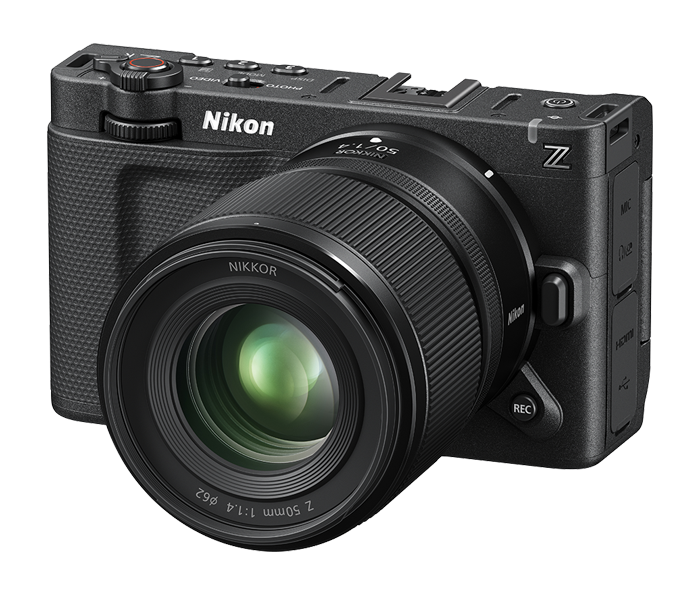
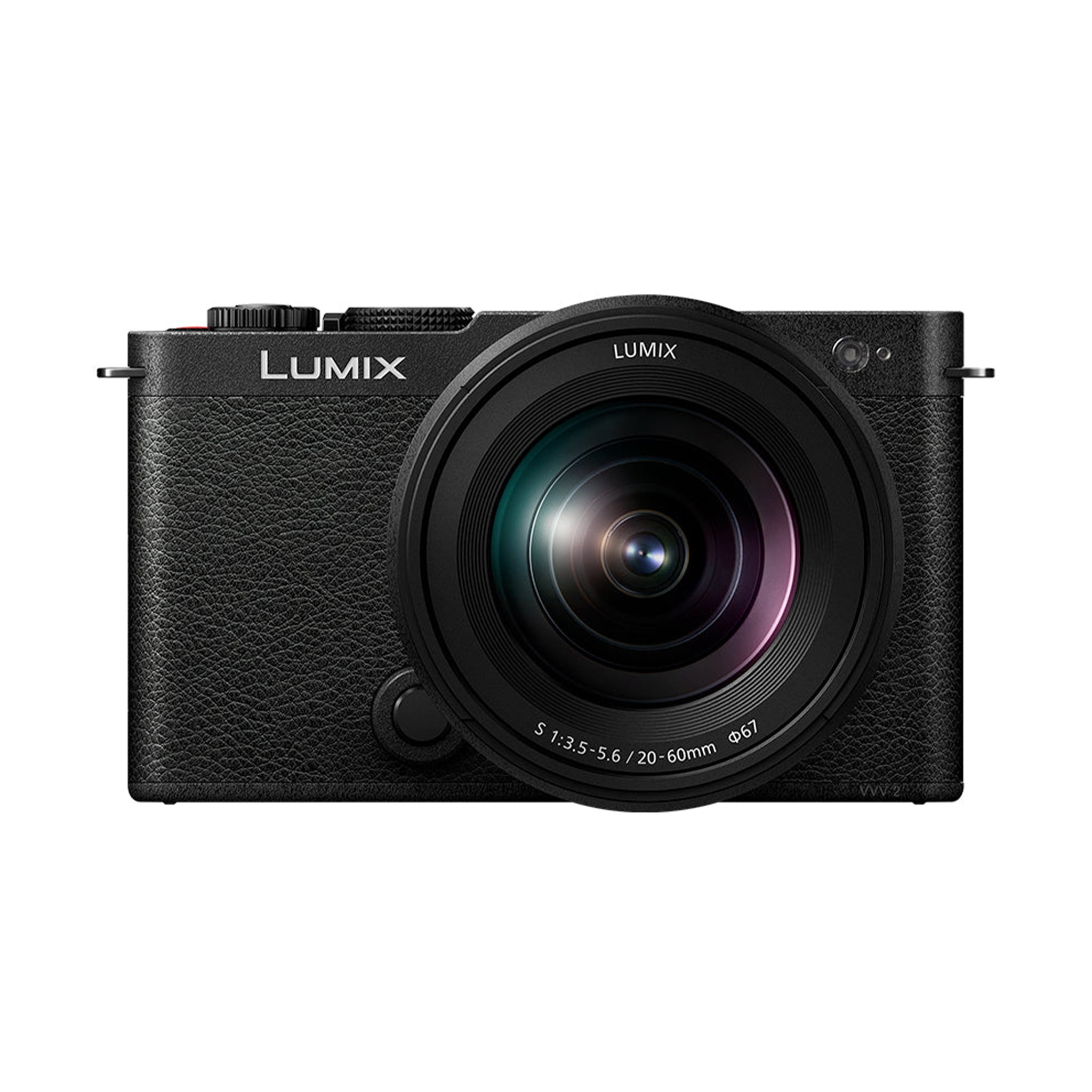
The Nikon ZR and Panasonic S9 are both compact full-frame mirrorless cameras designed to appeal to enthusiasts, vloggers, and travel photographers wanting professional image quality in an inconspicuous body. They are commonly compared due to their similar sensor sizes, portability, and modern feature sets, making them attractive to creators who prioritize both image excellence and ease of use. People choosing between these cameras often weigh the importance of ergonomics, autofocus reliability, stabilization, and the wider ecosystem around each brand.
While both cameras offer impressive performance at first glance, key differentiators include system compatibility (Nikon Z vs. L-Mount), levels of in-body stabilization, advanced autofocus, and unique design and usability considerations. Additionally, each brand targets a slightly different audience: Nikon leans into high-action and stills shooting, whereas Panasonic has a leg up in video capabilities and compactness.
Specifications Comparison
Detailed Comparison
Image Quality
Both the Nikon ZR and Panasonic S9 use full-frame sensors of nearly identical dimensions, with 25MP and 24MP respectively. The difference in resolution is marginal and unlikely to be apparent in most real-world situations, providing ample detail for large prints and cropping flexibility.
The Nikon ZR's ISO range of 100-64000 (expandable further) offers excellent low-light performance, suggesting strong noise handling, dynamic range, and color depth for challenging lighting. The Panasonic S9's ISO specifications are not explicitly listed, but it shares a sensor lineage with other Panasonic models known for good high-ISO performance, though traditionally Panasonic's color science is more tailored toward video shooters.
For still photographers prioritizing dynamic range, JPEG quality, and ultimate sensor prowess at high ISOs, the Nikon ZR appears to have a slight edge based on its advanced sensor and processor design. However, both cameras should deliver outstanding results in good light and are suitable for demanding creative work.
In summary, both cameras are closely matched, but the Nikon ZR edges ahead for pure stills image quality and high-ISO flexibility.
Autofocus System
The Nikon ZR features a sophisticated autofocus system with 273 phase-detection points, which enables fast subject acquisition, accurate eye/face detection, and confident tracking for action and portrait photography. Nikon's recent mirrorless autofocus advancements have consistently delivered improvements in subject recognition and reliability, even in difficult conditions.
Panasonic has made strides with its DFD (Depth from Defocus) contrast-based AF in previous models, but compared to phase-detection systems, it can lag for erratic subjects or low-contrast scenes. The S9's exact AF point count is not disclosed, and while video AF is improved, stills shooters may feel the difference in responsiveness and consistency, especially for fast-moving subjects.
In day-to-day operation, the Nikon ZR's autofocus will likely deliver greater confidence for both photographers and hybrid shooters who need quick, accurate AF for unpredictable subjects, sports, or wildlife.
Thus, for overall autofocus performance, the Nikon ZR is the clear winner.
Video Capabilities
Video is a strong suit for Panasonic, and the S9 continues this tradition. It boasts 5.9K video capture, UHD and DCI 4K recording, and extensive video-friendly feature sets that appeal to vloggers, filmmakers, and content creators. Panasonic's UI also prioritizes quick access to video settings, and its color science is favored for cinematic output.
The Nikon ZR's video abilities are not detailed in the provided specifications, but Nikon's recent cameras offer competitive 4K performance at high frame rates, and robust internal and external recording options. That said, Panasonic's higher-resolution formats and proven history in video innovation place it ahead, especially for those looking to capture pro-grade footage straight from a small camera.
Panasonic's in-body stabilization system (5-axis) is highly respected by videographers for its effective smoothness in handheld shooting, enhancing its video appeal further. Until more video specs for the Nikon ZR are available, Panasonic holds a demonstrable edge.
For content creators prioritizing advanced video features, the Panasonic S9 is the better option.
Build & Ergonomics
The Nikon ZR features a weather-sealed construction, making it suitable for outdoor work and challenging conditions, a crucial factor for travel and event photographers. Its dimensions are slightly larger (133 x 81 x 49 mm) and heavier (630g) than the S9, but its build suggests a more robust chassis designed for durability.
The Panasonic S9 is impressively compact and lightweight (486g, 126 x 73.9 x 46.7 mm), ideal for photographers seeking the lightest possible kit for travel, everyday carry, or unobtrusive street photography. However, it lacks weather sealing, which may limit its reliability under harsh elements.
Ergonomics will depend on hand size and grip preference; the Nikon's slightly larger body may offer a more secure hold during prolonged use, while Panasonic's smaller design is best for portable setups.
Overall, the Nikon ZR wins for reliability and ruggedness, while the S9 scores for portability. Given the diverse user priorities, this section is a tie.
Battery & Storage
Neither camera's battery life is detailed in the given info, but based on form factor and typical usage, the Nikon ZR, being larger, may accommodate a bigger battery, which could translate to more shots per charge. Professional-grade Nikons are also known for battery stamina and effective power management.
Storage options are not specified, but both utilize modern storage standards (likely SD UHS-II or CFexpress for Nikon). In practical use, Nikon cameras may offer dual card slots for redundancy, whereas smaller models like the Panasonic S9 typically settle for a single slot to save space-buyers should consult detailed specs if redundancy is critical.
As information is limited and both brands generally equip cameras with reliable storage and battery solutions, they perform equally well for most users unless absolute endurance or dual slot support is a must.
Given this, the result is a tie.
Value for Money
The Panasonic S9 is notably lighter, more compact, and is expected to command a more accessible price than the Nikon ZR ($2200). It packs a strong video feature set into its tiny body, making it an excellent budget choice for hybrid users and those prioritizing video at an attractive price point.
The Nikon ZR, while more expensive, justifies its cost through higher-end features: superior in-body stabilization (up to 7.5 stops), advanced autofocus, weather sealing, and a very high-resolution screen, appealing to serious stills shooters and hybrid photographers ready to invest in a robust system.
For those seeking a balance between cost and functionality, the Panasonic S9 is tough to beat, but buyers needing the ZR's pro-grade extras may find the premium worthwhile.
Factoring in body price and versatility for the dollar, Panasonic S9 emerges as the better value for most general buyers.
Lens Ecosystem
The Nikon ZR uses the Nikon Z-mount, which, since its introduction, has built a solid (if still maturing) native lens lineup covering most focal lengths, with high optical quality and increasing third-party support. Adaptation of classic Nikon F-mount lenses widens these options further.
The Panasonic S9 leverages the L-Mount Alliance, shared with Leica and Sigma. This results in an impressively broad and diverse selection of native lenses, ranging from affordable Sigma primes to Leica's luxury offerings. This openness means more choice and, often, more competitive prices and rapid expansion of available glass.
Depending on your needs, both systems can meet most creative requirements, but the L-Mount edge in sheer native choice makes Panasonic S9 (and the alliance) slightly more appealing to lens-focused buyers.
Thus, for the most flexible glass selection, the Panasonic S9 wins.
Our Verdict
Choosing between the Nikon ZR and Panasonic S9 comes down to your specific needs and priorities: the Nikon ZR excels for serious still photographers and hybrid shooters who want robust autofocus, superior stabilization, a weather-sealed build, and a superb screen in a compact but durable form factor. Its biggest advantages lie in reliability, responsiveness, and getting the most from full-frame image quality-even in tough conditions. The Panasonic S9 shines for those who need a lightweight, travel-friendly option with excellent video capabilities and access to the vast L-Mount lens ecosystem. Its outstanding value proposition makes it highly attractive to content creators and budget-conscious photographers or videographers, especially those who put a premium on advanced video formats and compactness. Overall, these cameras represent different strengths: Nikon edges ahead for advanced stills, weather resistance, and pro features; Panasonic takes the video, value, and flexibility crown. For buyers who are equally invested in stills and video, or who prioritize both portability and extensive lens options, the final verdict is a tie-each camera appeals strongly to overlapping but slightly different segments of the enthusiast market.
Nikon ZR
Panasonic S9
Also Compare
Frequently Asked Questions
Which camera is better for travel photography?
The Panasonic S9 is lighter (486g vs. 630g) and more compact, making it easier to carry around all day. However, the Nikon ZR offers weather sealing for outdoor reliability. Choose the S9 for maximum portability or the ZR if you plan to shoot in rough environments.
Which is preferable for video content creators?
The Panasonic S9 wins decisively for video, offering 5.9K, UHD/ DCI 4K, and 5-axis stabilization specifically tailored for advanced video work. Its user interface is also video-friendly. Nikon's ZR may offer solid 4K, but Panasonic's edge in formats and stabilization makes it better suited for most videographers.
Does the Nikon ZR have an electronic viewfinder?
No, the Nikon ZR does not have a built-in viewfinder. This might be a drawback for those shooting in bright light or preferring a traditional shooting stance, as both cameras rely on rear LCDs for framing.
Which has better autofocus performance?
The Nikon ZR's 273-point phase-detection autofocus outperforms the Panasonic S9's contrast-based AF for stills. If fast, accurate autofocus is important for your style, especially with moving subjects, the Nikon ZR is the better choice.
How does lens selection compare between Nikon Z and L-Mount?
While Nikon's Z-mount has quickly grown and covers most needs, the L-Mount Alliance (Panasonic/ Leica/ Sigma) offers a broader variety of lenses at multiple price points. For those valuing the widest range of native lens options, the S9's L-Mount system has the edge.
Which is better value for the price?
The Panasonic S9 is generally the better value choice due to its lower price, feature-packed video capabilities, and access to affordable L-Mount lenses. Nikon ZR's higher cost is justified for users who demand pro stills features and robustness.