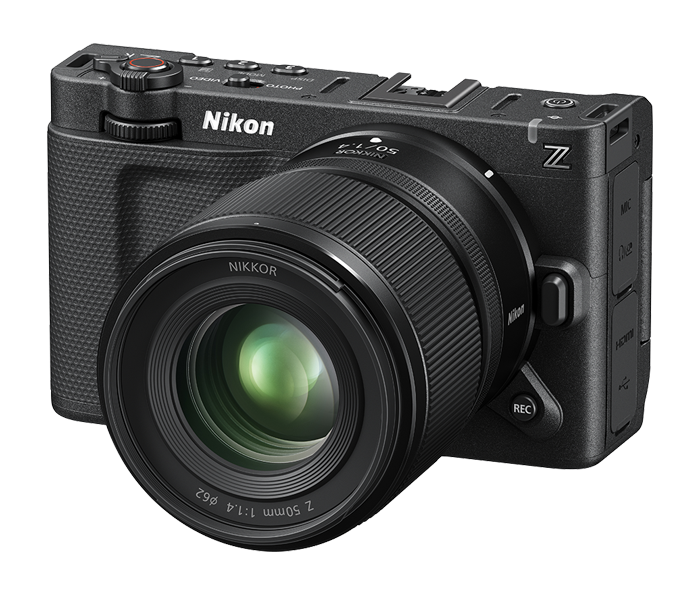
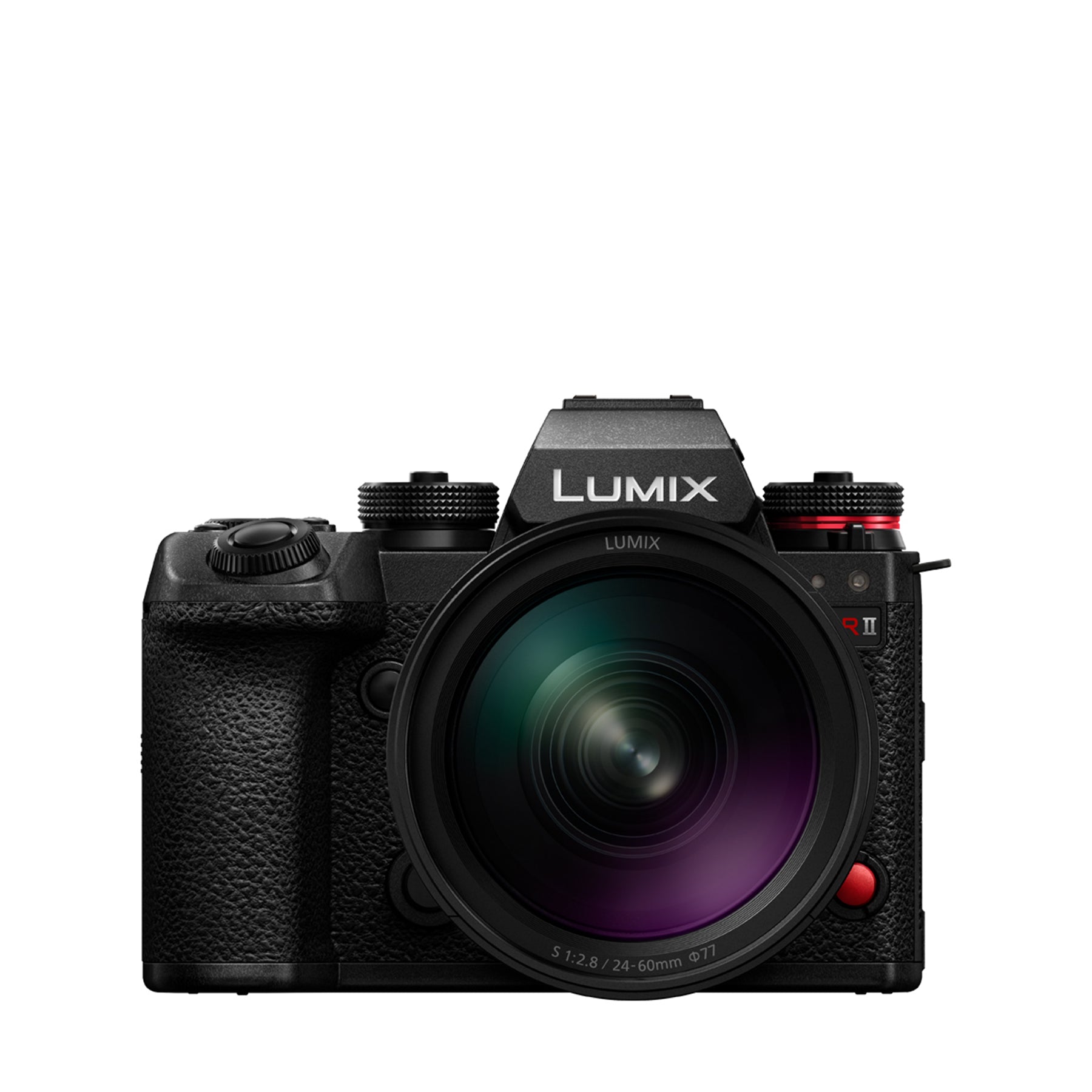
The Nikon ZR and the Panasonic S1R II are two formidable contenders in the full-frame camera market that cater to different needs and preferences among photographers and videographers. Both cameras are suitable for professionals seeking high-quality imaging capabilities, but their specifications and features diverge significantly, making them appealing to distinct user groups. The ZR offers a well-balanced set of features for traditional photography, while the S1R II brings notable advancements in video recording and resolution, making it attractive to content creators and hybrid shooters.
Specifications Comparison
Detailed Comparison
Image Quality
In terms of image quality, the Panasonic S1R II takes a significant lead with its impressive 44.3 megapixels, allowing for larger prints and more cropping flexibility. This resolution is beneficial for landscape, fashion, or any detailed photography where nuance is essential. Although the Nikon ZR offers a respectable 25 megapixels, which is adequate for most applications, it may not satisfy the needs of photographers who prioritize ultra-high resolution. Both cameras feature full-frame sensors that yield excellent high dynamic range and low-light performance, thanks to their advanced ISO capabilities. The Nikon ZR excels with its ISO range of 100-64000, which provides extensive flexibility in various shooting conditions, while the S1R II has a more limited ISO performance but compensates with superior resolution. Thus, for photographers prioritizing resolution, the S1R II is more advantageous.
Autofocus System
The Nikon ZR is equipped with a sophisticated autofocus system featuring 273 focus points, providing extensive coverage and accuracy, particularly beneficial for fast-moving subjects. The autofocus performance is reliable in various lighting conditions, thanks to its high ISO range. Comparatively, the specific details of the autofocus system in the Panasonic S1R II are less frequently highlighted in reviews; however, it does utilize a hybrid autofocus system that also provides fast and accurate focusing. Given that the Nikon ZR has a slightly more detailed specification in autofocus points, it edges out in this category, making it a potentially better choice for sports and wildlife photographers who need quick, responsive focus.
Video Capabilities
When it comes to video capabilities, the Panasonic S1R II is a clear frontrunner with its ability to shoot 8K video at 30 frames per second and 4K video at an impressive 120 frames per second. This makes it particularly appealing for videographers looking to produce high-resolution content. In contrast, the Nikon ZR lacks specified video recording capabilities and primarily focuses on still photography, making it less ideal for video-centric work. Given this strong performance in video, the S1R II is the go-to choice for users who want a hybrid camera that excels in both stills and video.
Build & Ergonomics
Both cameras feature solid builds with weather sealing, making them suitable for a variety of shooting environments. The Nikon ZR is slightly lighter at 630 grams compared to the Panasonic S1R II, giving it an edge in portability for users who prefer to carry their gear over long distances. The dimensions of the Nikon ZR are also more compact at 133 x 81 x 49 mm, providing a more ergonomically friendly experience for prolonged handheld use. On the other hand, while the Panasonic S1R II offers a robust build, it may come across as bulkier. Therefore, for photographers emphasizing comfort and weight savings, the Nikon ZR stands out.
Battery & Storage
Battery life is an important consideration for photographers, especially for those who shoot for extended periods. Unfortunately, specific battery life data is unavailable for either model, making it difficult to declare a winner definitively based on battery performance alone. However, both cameras are expected to perform adequately, with the Nikon ZR potentially benefiting from its streamlined design. Storage options are crucial for high-resolution photography, especially when utilizing the S1R II's 8K video capabilities; thus, both models support dual card slots, which offer redundant storage, increasing their reliability.
Value for Money
Pricing often plays a significant role in camera selection. The Nikon ZR has a price point of $2200, providing a relatively competitive option given its features tailored towards still photography and its impressive autofocus capabilities. Conversely, the Panasonic S1R II carries a higher price tag due to its advanced video features and higher resolution, which may not be necessary for all users. However, for those in need of high-resolution video and advanced video features, the extra investment in the S1R II may be justified. In essence, it boils down to user needs: still photographers may favor the value offered by the Nikon ZR, while hybrid shooters may find the investment in the S1R II worthwhile.
Our Verdict
In overall assessment, while the Nikon ZR excels in image stabilization, autofocus performance, build quality, and competitive pricing, the Panasonic S1R II's superior resolution and video capabilities make it the standout option for users who require a hybrid camera. Photographers focused on high-resolution images and extensive video capabilities will benefit from the S1R II, but for enthusiasts who prioritize ergonomic handling, still photography, and value are better suited to the Nikon ZR. Ultimately, the choice hinges on specific user requirements, with each camera fulfilling different niches within the photography market.
Nikon ZR
Panasonic S1R II
Also Compare
Frequently Asked Questions
Which camera is better for wildlife photography?
The Nikon ZR may be more favorable due to its superior autofocus system and lighter, more compact build for agility in the field.
Is the Panasonic S1R II worth the price?
If you require high-resolution photos and advanced video capabilities, the investment in the S1R II may be justified. For casual photography, the Nikon ZR offers excellent value without the need for such features.
Can the Nikon ZR shoot video?
The specifications do not emphasize video features, so it is primarily designed for still photography. It's not as versatile as the S1R II in terms of video capabilities.
How do the cameras handle low-light situations?
Both cameras perform well in low-light conditions, but the Nikon ZR's broader ISO range gives it an edge in versatility, allowing for better adaptability to diverse lighting.
What is the primary use case for the Panasonic S1R II?
The S1R II is particularly suited for high-resolution photography and videography, making it ideal for professional content creators who need top-tier image and video performance.