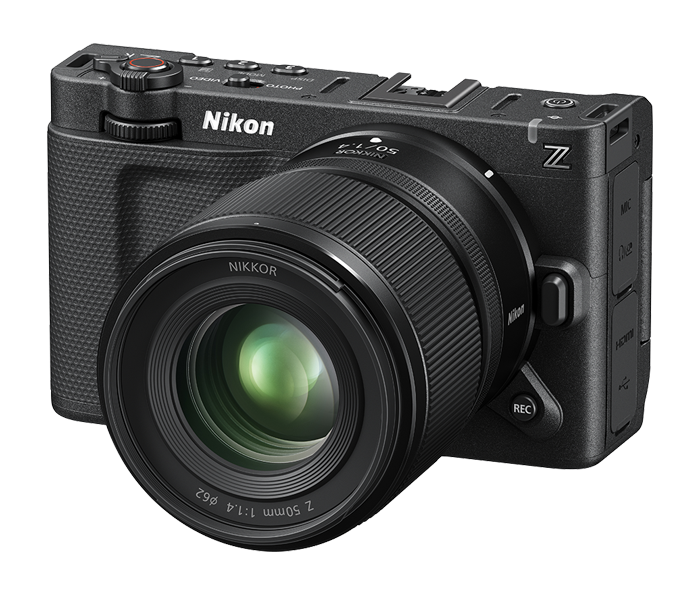
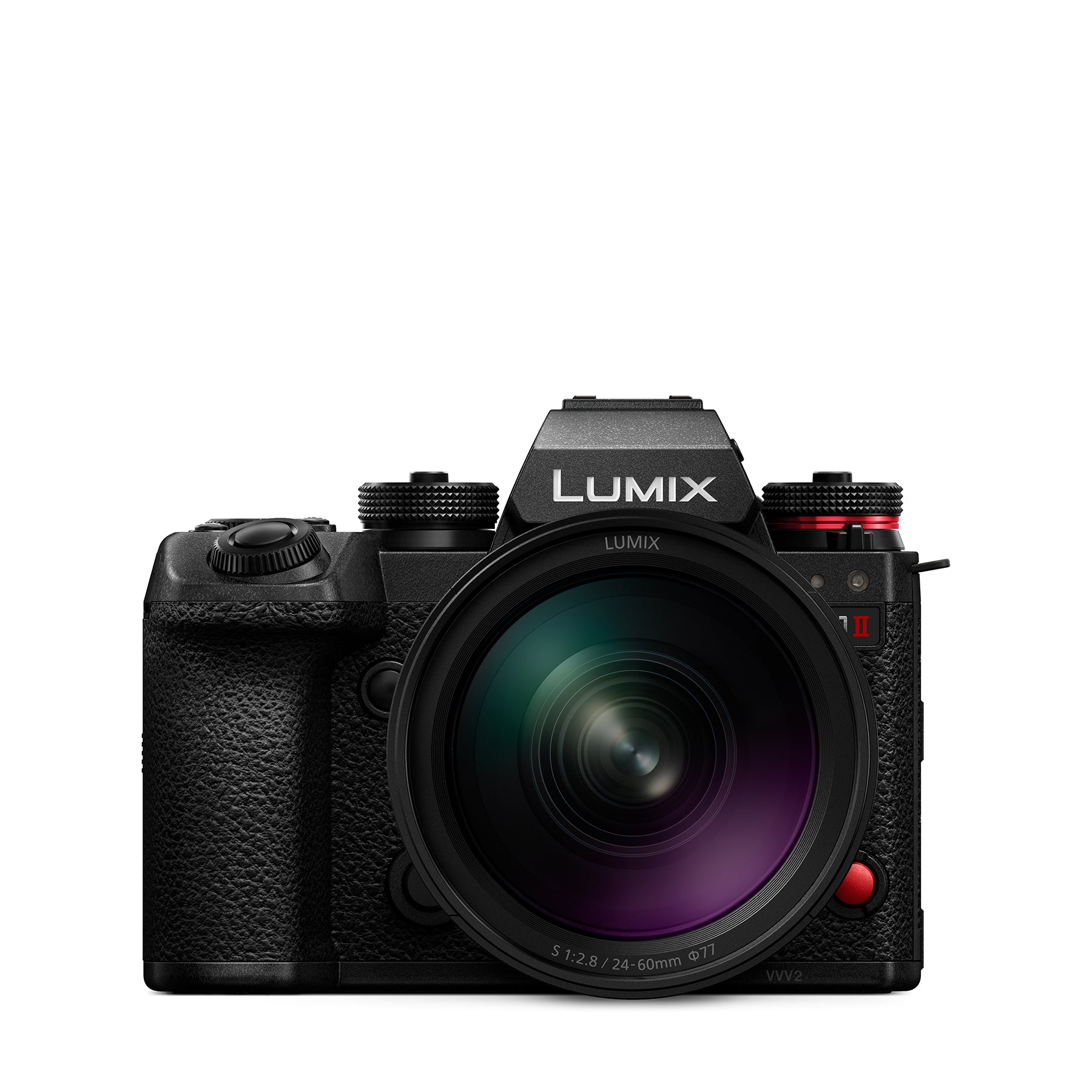
The Nikon ZR and Panasonic S1 II are both compelling options for photographers and videographers seeking full-frame mirrorless cameras that offer a mix of versatility, image quality, and performance. Each model has garnered attention due to its unique features and specifications that appeal to different segments of the market. Photographers who prioritize high-resolution images and advanced autofocus capabilities might find themselves leaning towards the Nikon ZR, while those who specialize in video content creation could favor the Panasonic S1 II for its superior video features and stabilization system. The key differentiators in this comparison include sensor resolution, autofocus performance, video capabilities, and stabilization features, which will be explored in detail below.
Specifications Comparison
Detailed Comparison
Image Quality
Both the Nikon ZR and Panasonic S1 II feature full-frame sensors that are capable of delivering excellent image quality, but there are slight distinctions worth noting. The Nikon ZR boasts a resolution of 25 megapixels, which provides a good balance between detail and low-light performance. Its ISO range of 100-64000 further enhances its capability to shoot in varying lighting conditions. The full-frame sensor, combined with advanced processing, enables rich colors and fine details in images.
On the other hand, the Panasonic S1 II has a slightly lower resolution of 24.1 megapixels but is well-regarded for its color accuracy, especially for natural scenes and skin tones. While the difference in megapixels is minimal, it's important to recognize that various factors, including lens quality and post-processing, also contribute to the overall image quality. Additionally, the performance in post-processing might favor the Nikon ZR due to its superior handling of high-ISO shots.
In conclusion, while both cameras deliver stunning image quality necessary for professional work, the Nikon ZR provides a slight edge in resolution and high-ISO capabilities. Nonetheless, the Panasonic S1 II is a strong contender, especially in varied lighting where color fidelity remains paramount.
Autofocus System
Autofocus performance is critical for both still photography and video, and here, the Nikon ZR leads with an impressive autofocus system. It features 273 autofocus points and boasts advanced face and eye detection, making it highly reliable for capturing fast-moving subjects and ensuring sharp focus in a variety of scenarios. Its capabilities in low light further enhance its utility for events and wildlife photography.
In contrast, the Panasonic S1 II, while featuring a capable autofocus system, does not specify the number of autofocus points but does utilize Depth From Defocus technology which allows for quick focus acquisition. However, when it comes to practical scenarios, users might find that the Nikon ZR's sophisticated tracking and detection capabilities outperform those found in the S1 II, especially for action-oriented photography.
Thus, the difference in capabilities positions the Nikon ZR as a more robust choice for photographers whose work depends heavily on dependable autofocus performance, especially in challenging environments or with moving subjects.
Video Capabilities
When it comes to video features, the Panasonic S1 II takes a notable lead over the Nikon ZR. The S1 II can record video at 5.1K resolution at 60p, which is a significant advantage for video creators who need high-resolution formats for professional work. It also includes advanced video features such as V-Log support and improved color grading options, making it a robust choice for filmmakers.
On the other hand, while the Nikon ZR excels in still photography, it lacks the dedicated video specs that the Panasonic offers. With its focus more on still image quality, Nikon's offering may leave video-centric users wanting. Therefore, while the Nikon ZR provides decent video recording at standard resolutions, it does not compete with the advanced capabilities and versatility that the Panasonic S1 II presents.
For those whose primary focus is video production, the clear winner in this aspect is the Panasonic S1 II, as it was designed with high-performance video capabilities in mind.
Build & Ergonomics
In terms of build quality, both the Nikon ZR and Panasonic S1 II are weather-sealed, making them suitable for outdoor shooting in various conditions. The Nikon ZR is slightly lighter at 630g, which may appeal to photographers who prioritize portability. Its dimensions are compact, allowing for comfortable handling during extended shoots.
Conversely, the Panasonic S1 II is often praised for its robust build quality and ergonomics, although it is slightly heavier. The more substantial construction can provide a confidence-inspiring feel for some photographers, especially when using larger lenses. Additionally, the controls on the S1 II are well laid out, making it easier to access critical settings quickly.
When evaluating the subjective aspects of comfort during actual use, some users may prefer the weight and feel of the Panasonic S1 II for stability in shooting, while others might appreciate the lightweight and compact nature of the Nikon ZR. This section therefore may not have a clear winner and depends more on personal preferences.
Battery & Storage
Battery performance can significantly influence shooting duration, and both cameras come with their own advantages. While specific battery ratings for the Nikon ZR are not detailed here, the general trend in mirrorless technology has shown that Nikon cameras tend to have decent battery life in comparison to their competitors, providing around several hundred shots per charge, depending on usage. The storage capability has not been specified for either camera, but both likely support similar storage formats given their target markets.
In contrast, the Panasonic S1 II benefits from a well-developed battery system that can provide extended shooting time, particularly beneficial for videographers who may be filming continuously for longer durations. Furthermore, it is noted for its dual card slots that allow for ample storage space, giving users the flexibility to use one card for backup or to separate different file types (e.g., photos vs. videos).
This aspect suggests that videographers or those needing prolonged shooting sessions may find the Panasonic S1 II more favorable, but for those primarily shooting stills, the Nikon ZR might suffice for general use.
Value for Money
When comparing the price points, the Nikon ZR is priced at $2200, reflecting its capabilities and market position within Nikon's full-frame lineup. It offers strong image quality and reliable autofocus, which may appeal to photographers who primarily focus on stills.
On the other hand, the Panasonic S1 II is likely priced competitively considering its superior video features and versatility. For users prioritizing video capabilities and a robust build, the investment in the Panasonic S1 II might offer greater value over time, especially with its advanced features that cater to content creators.
In terms of overall value, while both options are substantial investments, the choice will be driven by the buyer's specific needs-if video is crucial, then the Panasonic may represent a better value, whereas the Nikon could satisfy those more focused on still photography. Thus, this aspect also leans in favor of the versatility presented by the Panasonic S1 II.
Our Verdict
In summary, while the Nikon ZR leads in image quality and autofocus performance, the Panasonic S1 II excels in video capabilities, battery life, and overall versatility. For photographers primarily focused on still image capture, the Nikon ZR is an excellent choice with its superior autofocus and image resolution. However, for videographers or those seeking a camera that balances both photography and high-end video, the Panasonic S1 II emerges as the overall winner in this comparison. This decision underscores the importance of aligning your camera choice with your specific usage scenarios, whether favoring stills or video.