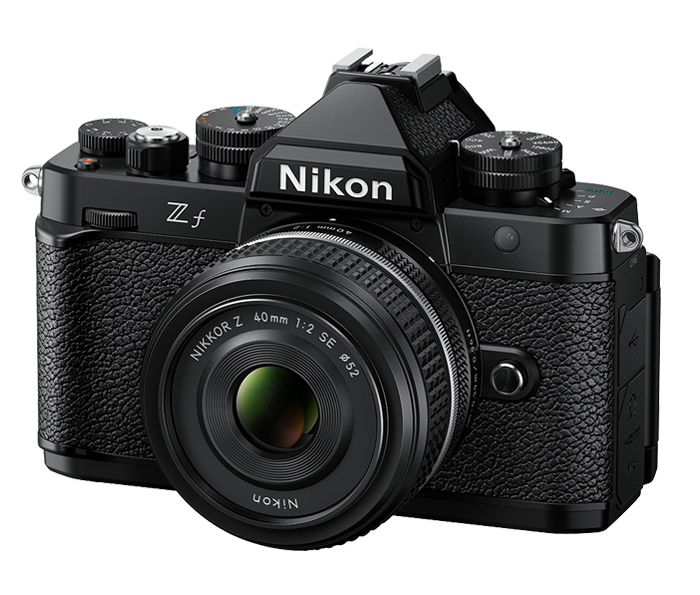

The Nikon Zf and Sony A9 II are two distinguished full-frame mirrorless cameras that often attract the attention of photography enthusiasts and professionals alike. Commonly compared, these models cater to various genres, such as portrait, landscape, and sports photography. Buyers may find themselves torn between Nikon's latest offering, the Zf, which promises a superb shooting experience, and Sony's high-performance A9 II, known for its speed and autofocus capabilities. Each camera has its unique features and advantages that can suit different styles and preferences.
Specifications Comparison
Detailed Comparison
Image Quality
Both the Nikon Zf and Sony A9 II deliver exceptional image quality, but they approach this in slightly different ways. The Zf features a 25-megapixel sensor that helps capture fine details and render vibrant colors. Overall, the increased resolution assists in enhancing dynamic range and achieving excellent low-light performance, making it more appealing for photographers who prioritize finer details in their work.
On the other hand, the A9 II has a slightly lower resolution with its 24-megapixel sensor. However, it compensates with an expansive ISO range that reaches up to 204800, which is advantageous for shooting in challenging lighting conditions. The sensor's efficient design ensures excellent performance and color accuracy, even at higher ISO settings, which can be beneficial for sports and event photography when lighting may be less than ideal.
Ultimately, while both cameras offer excellent image quality within their specifications, the Nikon Zf edges slightly ahead in detail resolution, while the A9 II excels in flexibility with its high ISO capabilities. This makes the image quality aspect a very close call.
Autofocus System
The autofocus systems are a major differentiating factor between the Nikon Zf and Sony A9 II. The Zf offers 273 autofocus points, which provide substantial coverage across the frame and ensure accurate focusing for various subjects. This system has been praised for its speed and reliability, especially in still photography.
Conversely, the Sony A9 II boasts a highly advanced autofocus system with 693 points, which is significantly higher than its competitor. This sophisticated system provides exceptional tracking capabilities, particularly suited for fast-moving subjects, making it an ideal choice for sports and wildlife photographers. The A9 II's Eye-AF technology further enhances subject detection, ensuring that the eyes are in sharp focus, which can be crucial in portrait and event photography.
In terms of speed, the A9 II supports incredible focusing speeds that match its high shooting frame rate. Thus, considering the sheer number of autofocus points and tracking technology, the A9 II takes the lead in this category.
Video Capabilities
When comparing video capabilities, the Nikon Zf holds an edge over Sony A9 II as it is equipped with 4K recording up to 60p, enabling smoother video footage, ideal for cinematic shoots and vlogs. The Zf's video features are comprehensive, which includes a range of frame rates and recording options that filmmakers will appreciate.
Conversely, the A9 II can record 4K video but is capped at 30p. While still offering good quality, the lower frame rate means it may not meet the expectations of those looking for high frame rate options in their video production. Additionally, the A9 II does support advanced video codecs and S-Log profiles, which appeal to experienced videographers looking for post-production flexibility.
Overall, while both cameras perform well in video capabilities, the Zf's higher frame rates at 4K give it the advantage, especially for creators who prioritize video work.
Build & Ergonomics
The Nikon Zf has a slightly bulkier profile, measuring 144 x 103 x 49 mm and weighing 710 grams. This camera, released in 2023, melds modern technology with a classic design that appeals to photographers who value a vintage aesthetic. While it may feel heavier, the Zf is ergonomically designed with a comfortable grip.
In contrast, the Sony A9 II's smaller dimensions of 129 x 96 x 76 mm and lighter weight of 678 grams make it quite portable, and this is a significant advantage for photographers on the go. Additionally, A9 II features weather-sealing, thereby offering superior protection against the elements compared to the Zf, which may be a consideration for outdoor shooters.
Both cameras deliver impressive build quality, but for portability and durability, the A9 II wins hands down with its weather-sealing and lighter weight.
Battery & Storage
When evaluating battery performance, the Sony A9 II takes the lead with an impressive 690 shots per charge, which can be crucial during long shooting sessions without access to recharging. This makes it particularly favorable for photographers who engage in event or wildlife photography where changing batteries frequently is impractical.
The Nikon Zf, while capable, offers a lower battery life of approximately 380 shots per charge. This may be a dealbreaker for serious users who take extended shooting trips away from power sources. Both cameras utilize dual card slots, with the A9 II being known for its versatility in handling different formats, including CFexpress Type B cards for faster write speeds.
In terms of longevity during usage, the A9 II's better battery performance coupled with its dual card slot flexibility gives it the upper hand in this category.
Value for Money
Price strategically weighs heavily into purchasing decisions. The Nikon Zf is priced at $1999, which positions it as a very competitive option given its features, especially for those seeking solid performance without breaking the bank. It offers balanced capabilities for general photography and emerging video demands, appealing to both enthusiasts and professionals.
On the flip side, the Sony A9 II comes at a premium price of $4500, reflecting its advanced features, including an exceptional autofocus system, sports-ready performance, and robust build quality. While its advanced performance justifies the cost for many professionals, casual photographers or those on a budget may find better value in the Zf.
Considering performance versus price, the Zf offers compelling value for those less concerned with top-of-the-line specs and more focused on solid capabilities at a lower entry point.
Our Verdict
Ultimately, both the Nikon Zf and Sony A9 II have strengths and weaknesses that cater to different photographic needs. Although the Nikon Zf offers superior value for money with solid performance, the A9 II prevails overall due to its exceptional autofocus capabilities, superior battery life, and robust build quality. The A9 II is undoubtedly the better choice for action-oriented photographers or serious videographers, while the Zf is especially attractive for general use where budget constraints are significant. Each camera excels in its own right, ensuring that buyers can find the right fit for their specific photographic journey.
Nikon Zf
Sony A9 II
Also Compare
Frequently Asked Questions
Which camera is better for sports photography?
The Sony A9 II is better suited for sports photography due to its faster autofocus system and higher continuous shooting speeds.
How does low light performance compare between the two?
While both cameras perform well in low light, the A9 II benefits from a broader ISO range that helps it capture better images in challenging lighting conditions.
Which camera has better video capabilities?
The Nikon Zf is superior in video capabilities, offering 4K at 60p compared to the A9 II's 4K at 30p.
Is the Sony A9 II worth the higher price?
If your focus is on fast photography and professional use, the advanced features of the A9 II may justify the higher price. However, if you're a general enthusiast, the Zf offers great features for a lower price.
Are both cameras weather-sealed?
No, the Sony A9 II is weather-sealed, providing more protection against the elements compared to the Nikon Zf.