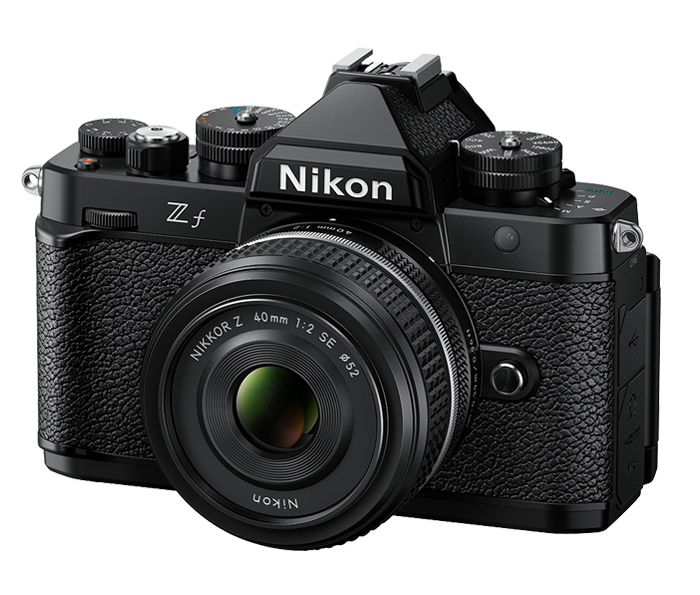
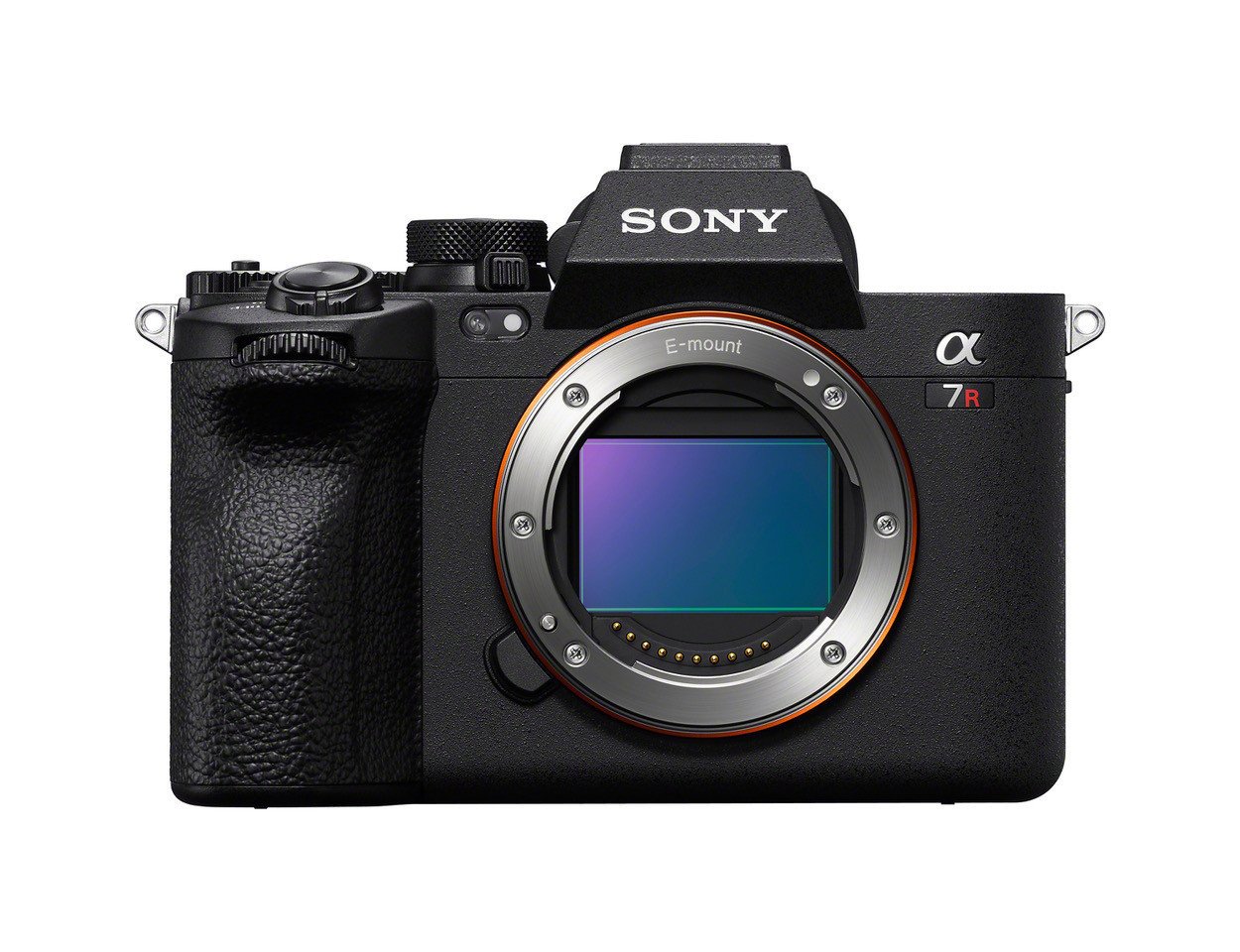
The Nikon Zf and the Sony A7R V are two full-frame mirrorless cameras that appeal to photographers seeking high-quality imagery, advanced technology, and robust performance. Both models are frequently compared by enthusiasts and professionals alike due to their impressive specifications and capabilities, targeting similar users who value quality, functionality, and innovation. Buyers often find themselves torn between these two reputable brands, each with its own strengths and features that cater to different shooting needs and styles.
Specifications Comparison
Detailed Comparison
Image Quality
Image quality is a crucial factor for many photographers, and here both cameras deliver excellent results, yet they have different approaches. The Sony A7R V boasts a significantly higher resolution at 60 megapixels, making it ideal for landscape, studio, and detail-oriented photography where large prints or heavy cropping are involved. The increased megapixel count translates into finer detail and more extensive cropping capabilities at the expense of larger file sizes.
On the other hand, the Nikon Zf, with its 25-megapixel sensor, offers a strong balance between resolution and performance, especially in low-light situations. While it may not capture as much detail as the A7R V in terms of resolution, the Zf's sensor is designed to perform well in various lighting conditions, making it a practical option for both casual and professional use.
Both cameras produce rich color profiles and handle dynamic range effectively, but the A7R V's higher resolution allows for finer detail in post-processing. Ultimately, photographers focused primarily on image detail and resolution may prefer the A7R V, whereas those seeking a versatile, all-round performer might favor the Zf.
Autofocus System
Autofocusing capabilities are essential for achieving sharp images quickly and efficiently in various shooting environments. The Sony A7R V excels here with an advanced 693-point phase-detection autofocus system that provides excellent tracking performance and accuracy, especially with fast-moving subjects. The A7R V's Eye AF technology offers exceptional performance for portrait and wildlife photography, reliably detecting and focusing on eyes in real-time.
In comparison, the Nikon Zf's autofocus system, while robust with 273 points, does not quite match the density and performance of Sony's system. The Zf still offers good tracking features, but it may struggle slightly with fast action subjects compared to the A7R V. In terms of low light performance, both systems are capable, but the A7R V's enhanced features generally provide a more reliable autofocus experience across various scenarios.
Overall, for users who prioritize fast, reliable autofocus in dynamic shooting situations, the A7R V stands out as the clear winner.
Video Capabilities
When it comes to video features, both the Nikon Zf and Sony A7R V offer 4K recording at 60 frames per second, catering to videographers looking for high frame rates and resolution. However, the A7R V has a more extensive range of video features, including advanced codec support, higher bit rates, and the ability to shoot in 10-bit 4:2:2 with external recorders, allowing for greater post-production flexibility and color grading potential.
The Nikon Zf, while capable, is more suited to casual video recording and does not offer the same depth of professional video features as the A7R V. Ergonomic design on the Zf also favors photography more than serious video work, which could be a consideration for professionals who frequently switch between stills and video recording.
Thus, while both cameras can capture high-quality 4K video, the Sony A7R V's more comprehensive video capabilities provide an edge, making it the preferred option for videographers and those who want the versatility of higher-end features.
Build & Ergonomics
The build quality and ergonomics of a camera impact the user experience significantly, especially during extended use. The Sony A7R V features a more compact body with a slightly heavier weight than the Nikon Zf but offers a weather-sealed construction that enhances durability in challenging conditions. This weather sealing is especially appealing for enthusiasts who often find themselves shooting in unpredictable weather.
The Nikon Zf, while not weather-sealed, benefits from a robust and comfortable grip that suits prolonged shooting, along with a vintage-inspired design that is visually striking. Its dimensions make it a bit bulkier, but users often appreciate the sturdy feel of the Zf, especially in outdoor settings.
In terms of function, both models have a similar 3.2-inch LCD with a resolution of 2,100,000 dots, providing sharp and clear visuals for reviewing images and video. However, the overall versatility and ruggedness of the A7R V give it an advantage in this category, especially for professionals who work in harsh environments.
Battery & Storage
Battery life is a critical aspect for photographers and videographers who rely on their equipment lasting through extended shoots. The Sony A7R V has a superior battery life rated at around 530 shots per charge, providing users with the peace of mind to shoot without frequent interruptions.
In comparison, the Nikon Zf's battery life at 380 shots may be sufficient for most casual users but could be a limitation for professionals who shoot extensively in the field or during events. Both systems support similar memory card types, but the A7R V allows for higher-capacity options, which can be crucial during longer sessions, especially while shooting at its high resolution.
Consequently, for those who prioritize extended shooting sessions without constant battery changes, the A7R V has a definitive edge.
Value for Money
When comparing value, the Nikon Zf's price point of $1999 makes it an enticing option for those seeking a full-frame camera without breaking the bank. The Zf offers solid specifications and performance, especially for photographers who prioritize versatility over extreme detail. It provides a great entry point into the full-frame world for enthusiasts.
In contrast, the Sony A7R V, priced at $3900, is marketed towards professionals and enthusiasts who need the highest resolutions and top-notch features. This higher investment yields excellent image quality, autofocus, and video capabilities suitable for serious projects but may deter budget-conscious buyers.
In this regard, the Nikon Zf represents better value for casual photographers while the A7R V could be justified for professionals seeking the absolute best features. The decision ultimately hinges on individual budget constraints and specific use cases.
Lens Ecosystem
When evaluating lens ecosystems, both Nikon and Sony have made substantial investments in their respective lens offerings, providing users with a wide selection of lenses. The Nikon Z mount features several high-quality native lenses that provide excellent optical performance, and as the Z system grows, more options are becoming available for various genres and needs.
On the other hand, Sony's E mount has a more mature lineup with a broader selection of both native and third-party lenses available, ranging from wide-angle to telephoto and macro lenses, providing photographers and videographers plenty of choices for their shooting styles. The extensive availability of high-end options like G Master lenses enhances the shooting experience for professionals.
Therefore, for users who plan to invest heavily in a lens system or who may require specific focal lengths for specialized genres, the Sony A7R V's lens ecosystem is more advantageous at this stage while Nikon is improving its offerings rapidly.
Our Verdict
In the overall comparison, the Sony A7R V emerges as the winner due to its superior image quality with higher resolution, advanced autofocus capabilities, and professional-grade video features, making it an excellent choice for serious photographers and videographers alike. However, the Nikon Zf provides an appealing value proposition with its competitive pricing and good all-around performance, catering to enthusiasts looking for a well-rounded entry into full-frame photography. Buyers should assess their specific needs, such as resolution or budget, to make the best choice for their photographic journey.
Nikon Zf
Sony A7R V
Also Compare
Frequently Asked Questions
Which camera offers better low-light performance?
Both cameras have good low-light performance, but the A7R V's higher ISO range gives it an edge for shooting in dim conditions without noise.
Is the Nikon Zf good for video?
Yes, the Nikon Zf can shoot 4K video at 60fps, but it lacks some advanced video features found in the A7R V.
What is the weight difference between the two cameras?
The Nikon Zf weighs 710 grams while the Sony A7R V is slightly heavier at 723 grams.
Do I need to invest in lenses for either system?
Yes, both offer various lenses, but the Sony E mount has a more established selection of lenses, especially for high-end needs.