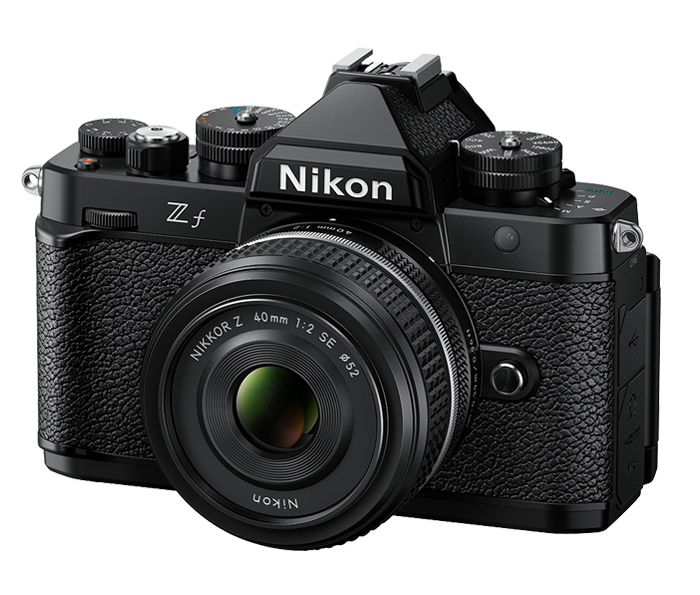
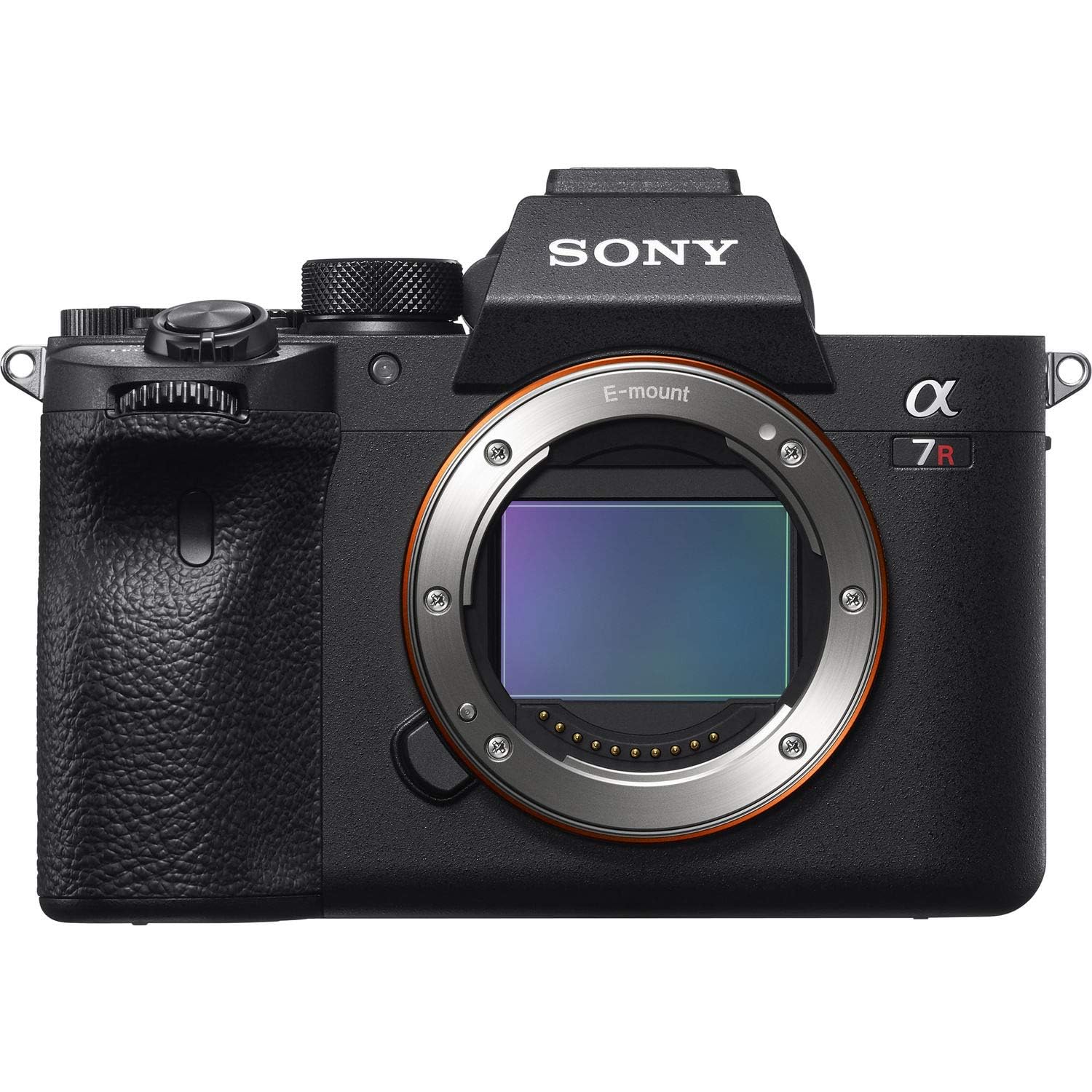
The Nikon Zf and Sony A7R IV are two formidable full-frame mirrorless cameras that cater to both enthusiasts and professionals who demand high image quality, robust performance, and advanced functionalities. The Nikon Zf, released in 2023, is positioned as a versatile option with an emphasis on personal interfacing and ease of use, while the Sony A7R IV, released in 2019, stands out for its high-resolution capabilities and advanced autofocus system. Photographers and videographers considering either of these options are typically choosing between a more recent camera with modern features or a well-established model known for its exceptional performance and reliability.
Key differentiators include sensor resolution, autofocus performance, video recording specifications, and overall usability. With the Nikon Zf offering 25 megapixels and a more robust in-body stabilization, while the A7R IV boasts 61 megapixels with an extensive autofocus system, this comparison will help potential buyers figure out which model meets their specific needs better.
Specifications Comparison
Detailed Comparison
Image Quality
When it comes to image quality, the Sony A7R IV has a clear advantage due to its higher resolution sensor providing 61 megapixels compared to the Nikon Zf's 25 megapixels. This significant difference allows the A7R IV to capture more detail, making it an ideal choice for large format prints or cropping without losing image quality. Additionally, higher megapixel counts are beneficial for landscape photographers and commercial work where detail is paramount.
Though the Nikon Zf offers fewer megapixels, its sensor performance shouldn't be underestimated. The Zf can still deliver excellent image quality and dynamic range, particularly in lower light situations, thanks to its latest sensor technology. However, for photographers requiring the maximum amount of detail, the A7R IV is the clear leader.
In conclusion, while both cameras produce high-quality images, the A7R IV's higher resolution sensor gives it a significant edge for detailed image reproduction.
Autofocus System
Turning to the autofocus systems, the Sony A7R IV also excels with 567 autofocus points, compared to the Nikon Zf's 273 points. The A7R IV's autofocus technology is well-regarded for its speed and accuracy, making it suitable for fast-moving subjects in sports or wildlife photography. Its real-time eye autofocus is particularly praised for portrait work.
In contrast, the Nikon Zf's autofocus system is capable but offers fewer points, which may be less optimal in challenging lighting conditions or fast-paced scenarios. Furthermore, the A7R IV typically performs better in tracking subjects due to its advanced algorithms.
Thus, in terms of autofocus technology, the A7R IV stands out as the more capable system for a variety of shooting conditions.
Video Capabilities
When comparing video capabilities, the Nikon Zf presents an advantage with its capability to shoot in 4K at up to 60 frames per second, making it more adept for high-octane video applications or smoother footage. This feature is attractive for videographers aiming for better slow-motion effects and overall video fluidity.
On the other hand, the Sony A7R IV records 4K video only up to 30 frames per second, which may be limiting for some video creators. However, it does offer exceptional color depth and dynamic range, yielding aesthetically pleasing video quality.
In this aspect, the Nikon Zf is superior, appealing to those who prioritize video recording flexibility.
Build & Ergonomics
In terms of build quality, the Sony A7R IV has the advantage of being weather-sealed, allowing photographers to work in more demanding environmental conditions without worry. Its compact design is also lightweight, making it more portable for on-the-go shooting.
Conversely, the Nikon Zf, while slightly heavier, offers a comfortable grip and intuitive control layout catering to those who appreciate ergonomics during long shooting sessions. However, it does not have the same level of weather sealing as the A7R IV, which could be a point of concern for shooters often in unpredictable weather.
Ultimately, the choice may depend on the typical shooting environment; those needing durability may prefer the A7R IV, while others might find the Nikon Zf more comfortable to handle.
Battery & Storage
Battery life is another important consideration, and here the Sony A7R IV again has a significant advantage, with a lifespan of approximately 670 shots on a single charge, compared to the Nikon Zf's 380 shots. This longer battery life is beneficial during long shoots without the inconvenience of frequent battery changes.
In terms of storage, both cameras utilize dual card slots, which is essential for professional use, providing redundancy and more storage capacity. However, the A7R IV tends to offer more options for storage types and speeds, enhancing workflow efficiency for serious photographers.
As such, when it comes to battery life, the Sony A7R IV is clearly more appealing for those looking to avoid interruptions during their photography sessions.
Value for Money
The Nikon Zf is priced at $1,999, which positions it favorably for many enthusiasts who are looking for a capable full-frame camera without breaking the bank. In this respect, it offers a solid mix of features including in-camera stabilization and modern video capabilities, making it a great value for those who do not need high resolution.
Conversely, the Sony A7R IV, at $3,500, comes with a premium price tag reflecting its advanced specifications, especially the high-resolution sensor and superior autofocus system. This higher cost may be justified for professionals who require the best image quality and performance under various shooting conditions.
Overall, for budget-conscious buyers who still want an excellent camera, the Nikon Zf represents a more accessible investment, while the A7R IV is geared towards those whose work demands high-end features.
Our Verdict
While both the Nikon Zf and Sony A7R IV have their strengths and cater to diverse photography needs, the overall winner leans towards the Sony A7R IV due to its superior image resolution, autofocus performance, and battery life. The Zf shines with its video capabilities and value for money, making it an excellent choice for budget-conscious enthusiasts. However, for professionals who prioritize detail and advanced performance, the A7R IV justifies its higher price with robust capabilities that are hard to overlook.
Nikon Zf
Sony A7R IV
Also Compare
Frequently Asked Questions
Is the Nikon Zf better for video than the Sony A7R IV?
Yes, the Nikon Zf offers 4K video at 60 frames per second, making it more suitable for videographers compared to the A7R IV, which is limited to 30 fps.
Which camera has better autofocus?
The Sony A7R IV has a superior autofocus system with 567 points, providing faster focusing capabilities and more accuracy compared to the Nikon Zf's 273 points.
What is the difference in battery life between the two cameras?
The Sony A7R IV has a longer battery life, rated at approximately 670 shots, compared to the Nikon Zf's 380 shots, making it better for extended shooting sessions.
Which camera is better for landscape photography?
For high-resolution landscape images, the Sony A7R IV is preferable due to its 61-megapixel sensor, allowing for detailed captures that can be printed at large sizes.
How do they compare in terms of price?
The Nikon Zf is significantly cheaper at $1,999 compared to the Sony A7R IV's $3,500, making it a better choice for those on a tighter budget.