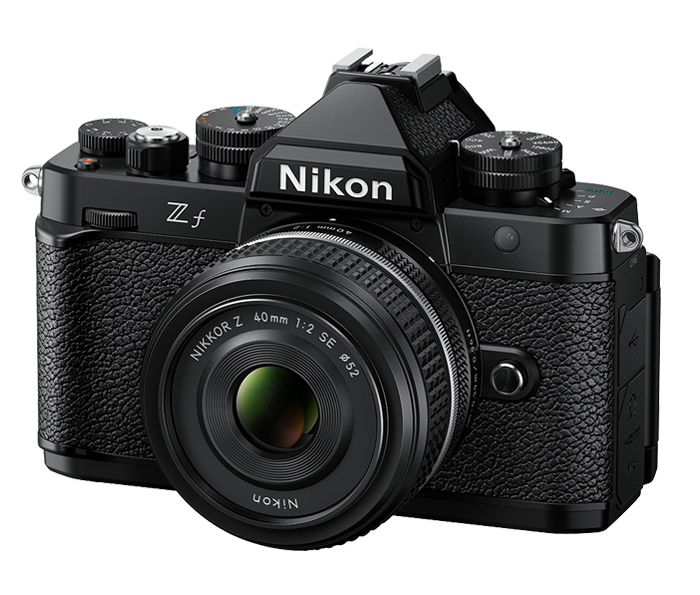
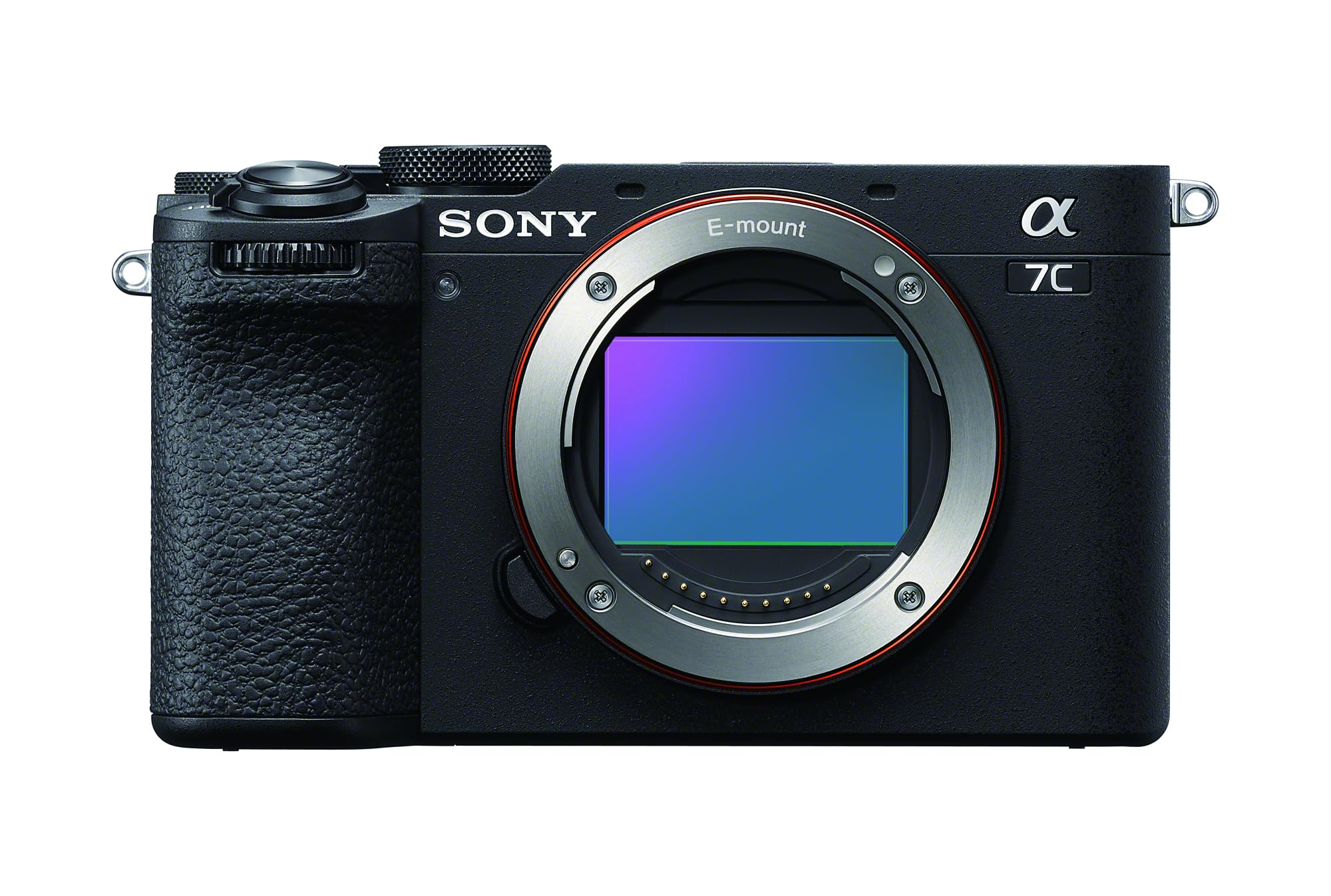
The Nikon Zf and Sony A7C II are compact full-frame mirrorless cameras that cater to both amateur enthusiasts and advanced photographers. Given their similar price points and features, these two models are often compared by those looking to upgrade from APS-C systems or to enter the full-frame market. Buyers may gravitate towards these options for varying reasons including their specifications, brand loyalty, and intended use-whether for stills, video, or both. Key differentiators between the two include megapixel count, autofocus performance, body design, and battery life.
Specifications Comparison
Detailed Comparison
Image Quality
The Nikon Zf features a 25-megapixel sensor, which offers a respectable resolution for general photography, while the Sony A7C II packs a higher 33-megapixel sensor. This larger pixel count in the Sony translates to finer detail and more cropping flexibility, making it particularly appealing for landscape and portrait photographers. Additionally, both cameras feature full-frame sensors which provide excellent low-light performance; however, the A7C II excels with its broader ISO range of 100-51200 that can be expanded up to 204800, providing greater versatility in challenging lighting conditions. The Nikon Zf has a traditional ISO range, and while it performs well, it doesn't quite match the high-ISO capabilities of the A7C II. Overall, for photographers prioritizing resolution and low-light shooting, the A7C II offers a notable edge.
Autofocus System
Both cameras feature advanced autofocus systems, but their specifications differ significantly. The Nikon Zf offers 273 autofocus points, whereas the Sony A7C II utilizes a more sophisticated system with 759 autofocus points. This difference may not be apparent in casual photography but offers real-world advantages in terms of tracking moving subjects and ensuring greater accuracy across various scenarios. The A7C II incorporates Sony's renowned Real-Time Eye AF for both humans and animals, which solidifies its position as a superior choice for subjects that are dynamic or difficult to capture. The Nikon Zf offers a solid autofocus experience, but it may not be as robust as that of the A7C II, particularly for wildlife or fast action shots. Therefore, those who heavily rely on autofocus will likely appreciate the performance of the A7C II more.
Video Capabilities
For video production, both cameras boast impressive capabilities, offering 4K video resolution at 60 frames per second. That said, the Nikon Zf provides a slight edge with its in-body stabilization rated at 8 stops compared to the Sony A7C II's 7 stops. This added stabilization in the Zf may be advantageous for handheld shooting, especially in dynamic environments. However, the A7C II has an advantage with Sony's video-centric features, such as S-Log profiles and a more extensive range of video settings for professional filmmakers. This makes the A7C II more appealing for those focused on video quality and versatility. While both cameras are viable for K 4 footage, differences in stabilization and video features could be decisive factors for buyers who prioritize video functionality.
Build & Ergonomics
In terms of design, Nikon Zf weighs 710 grams and has dimensions of 144 x 103 x 49 mm, making it larger and heavier than the Sony A7C II, which weighs only 514 grams and measures 124 x 71 x 63 mm. The more compact design of the A7C II makes it an attractive option for travel photographers and vloggers who value portability. Furthermore, the A7C II is weather-sealed, offering greater durability in challenging environmental conditions, a feature missing from the Zf. While both cameras have electronic viewfinders, the Zf has a higher-resolution screen, making it easier to preview images and navigate the menu system. Ergonomically, the larger grip of the Zf may be more comfortable for users with larger hands. Thus, the A7C II may win on portability and resilience, while the Zf provides more comfort for extended use.
Battery & Storage
The battery life is another essential factor to consider, especially for users who may be shooting for extended periods. The Nikon Zf offers a battery life of approximately 380 shots, while the A7C II outperforms it with a rated life of around 540 shots. This difference can significantly affect long shooting sessions, making the A7C II a better option for events or travel situations. In terms of storage, both cameras utilize SD cards, but the A7C II has dual slots, offering enhanced flexibility for backup and extended shooting without the necessity of frequent card changes. Additional storage capacity can be crucial, especially for high-megapixel video shooting, making the A7C II a more practical choice in this respect.
Value for Money
While the Nikon Zf retails for $1999 and the Sony A7C II is priced at $2200, this price difference should be scrutinized considering the specific needs of the buyer. The Zf offers solid capabilities for a lower price point, appealing to photographers looking for a balanced camera without a lot of extra features they might not use. The A7C II, on the other hand, justifies its higher price with superior autofocus capabilities, better battery life, and more extensive video features. Therefore, while the Zf presents great value for photographers mainly focused on still images, the A7C II may be perceived as a worthwhile investment due to its enhanced versatility and premium build quality, especially for advanced users.
Our Verdict
Overall, while both the Nikon Zf and Sony A7C II are excellent choices, the Sony A7C II emerges as the better overall camera. Its superior autofocus and battery life are significant advantages for professionals and serious enthusiasts, alongside its robust build quality. However, the Nikon Zf holds its own as a strong contender if price is a critical factor and if users are primarily focused on still photography rather than advanced video features. Each camera brings unique strengths, allowing buyers to make a choice based on their specific needs and photographic style.
Nikon Zf
Sony A7C II
Also Compare
Frequently Asked Questions
Which camera is better for video?
The Sony A7C II is generally considered better for video due to its advanced video recording features, including S-Log profiles, alongside better battery life and a more compact form factor.
How do the autofocus systems compare?
The A7C II has 759 autofocus points, making it superior to the Zf's 273 points, which translates to better subject tracking and accuracy, particularly in fast-paced situations.
Is one better suited for travel photography?
The Sony A7C II is lighter and more compact, making it easier to carry for extensive travel, while its weather-sealed body offers additional protection in outdoor settings.
What about battery life?
The battery life of the A7C II (540 shots) significantly outlasts the Nikon Zf (380 shots), making it a better option for lengthy photo sessions.
Which camera offers better image quality?
While both cameras produce exceptional image quality, the A7C II's 33-megapixel sensor provides finer detail and better performance at high ISO levels.