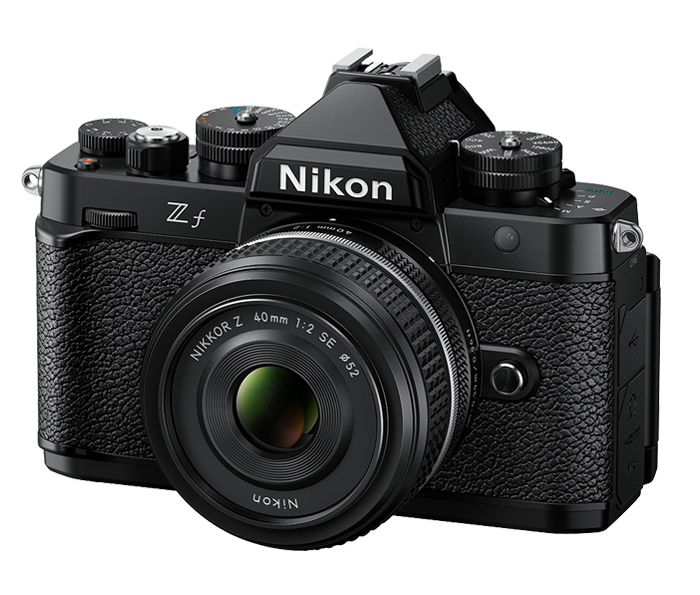
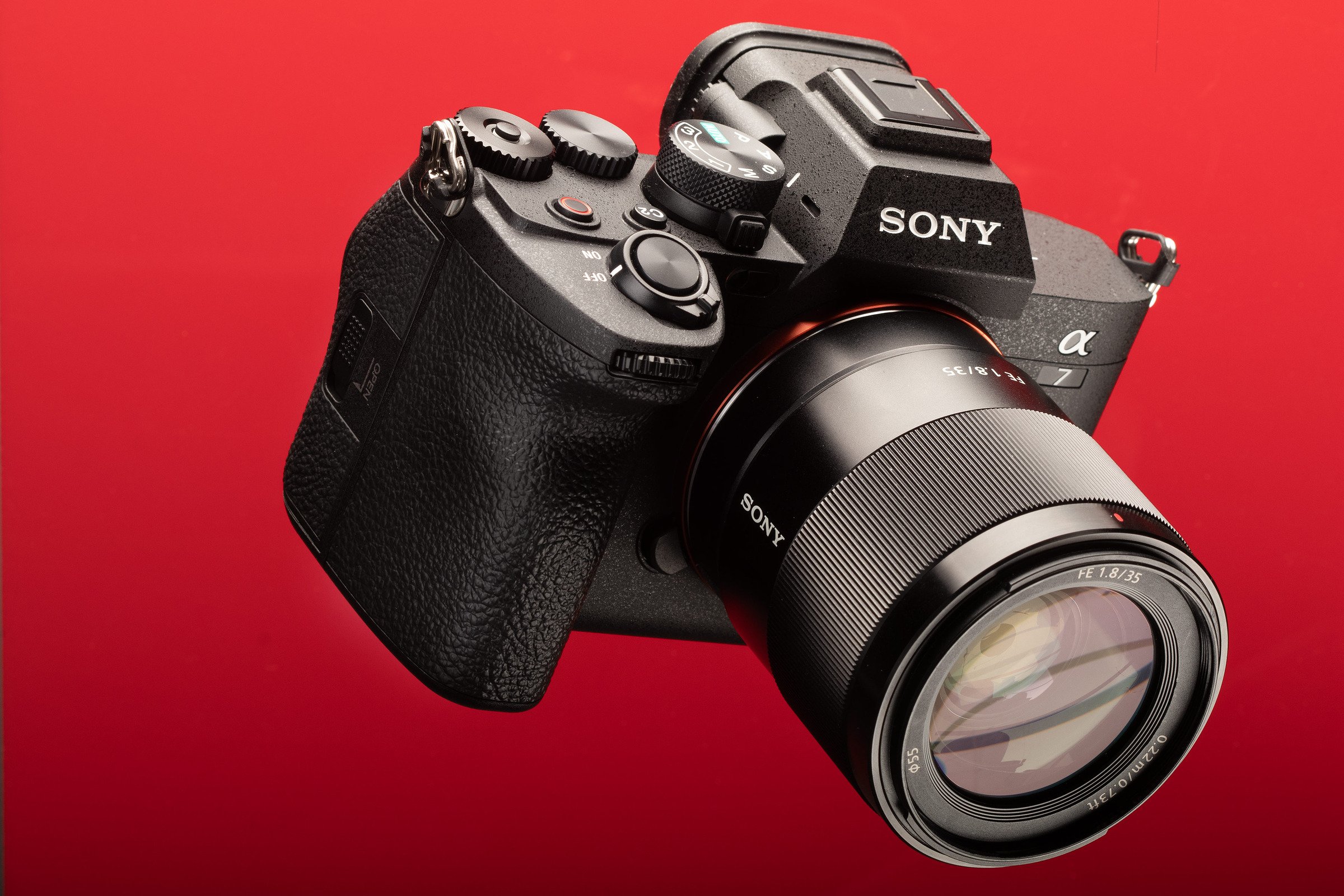
The Nikon Zf and Sony A7 IV are two formidable contenders in the full-frame mirrorless camera market, often compared by both amateur photographers and seasoned professionals. Both cameras boast impressive specifications and are designed for versatile shooting scenarios, making them ideal for those who value image quality, autofocus performance, and video capabilities. They cater to a wide range of users, from hobbyists looking for a reliable camera to professionals who need advanced features for their creative projects. While the Nikon Zf leans into its rich history with retro styling and solid ergonomics, the Sony A7 IV presents a highly versatile platform with an extensive lens ecosystem and advanced video features. The key differentiators between these two models lie in their sensor performance, autofocus systems, and overall usability, which can significantly affect purchase decisions depending on particular needs and preferences.
Specifications Comparison
Detailed Comparison
Image Quality
Both the Nikon Zf and the Sony A7 IV utilize full-frame sensors, critical for delivering high-quality images. The Nikon Zf features a 25-megapixel sensor, optimizing sharpness and reducing noise at higher ISO levels. The sensor's architecture and image processing achieve impressive dynamic range and color reproduction, particularly appealing for landscape and portrait photographers. In comparison, the Sony A7 IV offers a higher resolution at 33 megapixels, which allows for finer detail and greater crop flexibility. Furthermore, its ISO range of 100-51200 (expandable to 50-204800) provides exceptional low-light performance, making it versatile for various shooting conditions. Considering these factors, while both cameras perform exceptionally well, the higher megapixel count and greater ISO flexibility of the Sony A7 IV give it a slight edge in terms of image quality, particularly for low-light photography.
Autofocus System
The autofocus system is a crucial aspect for many photographers, particularly for fast-moving subjects. The Nikon Zf offers 273 autofocus points, which provide decent coverage and responsiveness. However, its technology may not be as robust as some of its competitors. In stark contrast, the Sony A7 IV is equipped with 759 autofocus points, capable of detecting subjects with remarkable speed and accuracy. Additionally, the A7 IV features advanced real-time Eye AF technology, which is particularly beneficial for capturing portraits or wildlife. This advanced autofocus system enhances shooting confidence, especially in dynamic environments where subjects may move unpredictably. Given these factors, the superior autofocus capabilities of the Sony A7 IV clearly stand out, making it more suitable for fast-action photography.
Video Capabilities
When it comes to video capabilities, both the Nikon Zf and Sony A7 IV share the ability to shoot in 4K up to 60 frames per second, making them well-suited for videographers. The Nikon Zf, however, offers 8-stop in-body stabilization, which is exceptionally helpful for handheld shooting, minimizing the effects of camera shake. This is beneficial for run-and-gun filmmakers or anyone needing stable footage without the use of a tripod. Meanwhile, the Sony A7 IV, while having a respectable 5.5-stop stabilization, compensates with features like 10-bit 4:2:2 internal recording and advanced color profiles such as S-Cinetone, appealing to professional videography. Both cameras excel in videography; however, the superior stabilization of the Nikon Zf gives it an edge for users who prioritize handheld shooting and mobility.
Build & Ergonomics
Build quality and ergonomics can significantly affect the user experience, especially during long shooting sessions. The Nikon Zf sports a retro design that many users find appealing, along with straightforward controls that enhance usability. Its larger size, while slightly bulkier at 710 grams, fits well in the hand, making it comfortable to hold for extended periods. The added advantage of fully articulating the touchscreen provides flexibility for various shooting angles. Conversely, the Sony A7 IV, weighing 659 grams, is more compact and lighter, making it easier to transport. It also features weather sealing, adding durability in challenging conditions. While both cameras are comfortable to use, the choice may depend on personal preference regarding size and handling, leading to a subjective win based on user comfort.
Battery & Storage
Battery life can be a critical factor in choosing a camera, especially for those who shoot in demanding environments. The Nikon Zf offers a battery life of approximately 380 shots, which is decent but may require frequent battery changes or spares during extended shoots. In contrast, the Sony A7 IV boasts a longer battery life, estimated at around 580 shots, allowing for extended shooting sessions without interruption. Both cameras support dual storage options, enabling professionals to fine-tune their workflow. However, the superior battery life of the Sony A7 IV is beneficial for photographers who spend long hours shooting, particularly those in the field.
Value for Money
In terms of pricing, the Nikon Zf is positioned at $1999, while the Sony A7 IV retails for a slightly higher price of $2499. Both cameras offer significant value in their respective offerings, but the price difference can be crucial for budget-conscious buyers. The Nikon Zf provides excellent capabilities at a more accessible price point, making it an attractive option for enthusiasts and those entering the full-frame market. The Sony A7 IV, while more expensive, includes features like advanced autofocus, higher resolution, and additional video capabilities, justifying its price for professional use. The value proposition depends largely on what the customer prioritizes; for buyers who need high-end video and superior autofocus, the A7 IV represents a worthwhile investment, while those seeking quality without the premium may lean towards the Zf.
Our Verdict
Overall, the Sony A7 IV emerges as the favorite in this comparison due to its superior autofocus system, higher image resolution, and longer battery life, making it well-suited for professionals and serious enthusiasts. However, the Nikon Zf still offers great value, particularly for those who appreciate its design, stabilization features for video, and lower price point. The decision hinges on the specific requirements: if advanced autofocus and high resolution are paramount, buyers should consider the Sony A7 IV, but if stability for video and a nostalgic aesthetic are favored, the Nikon Zf stands strong.