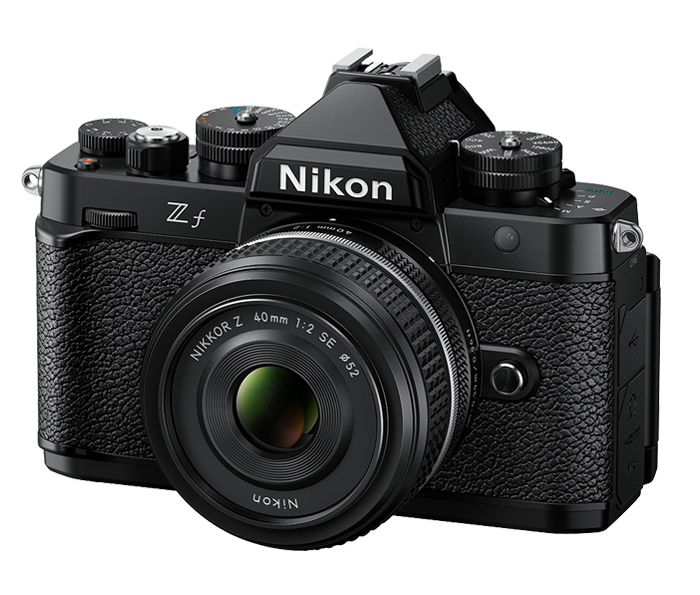
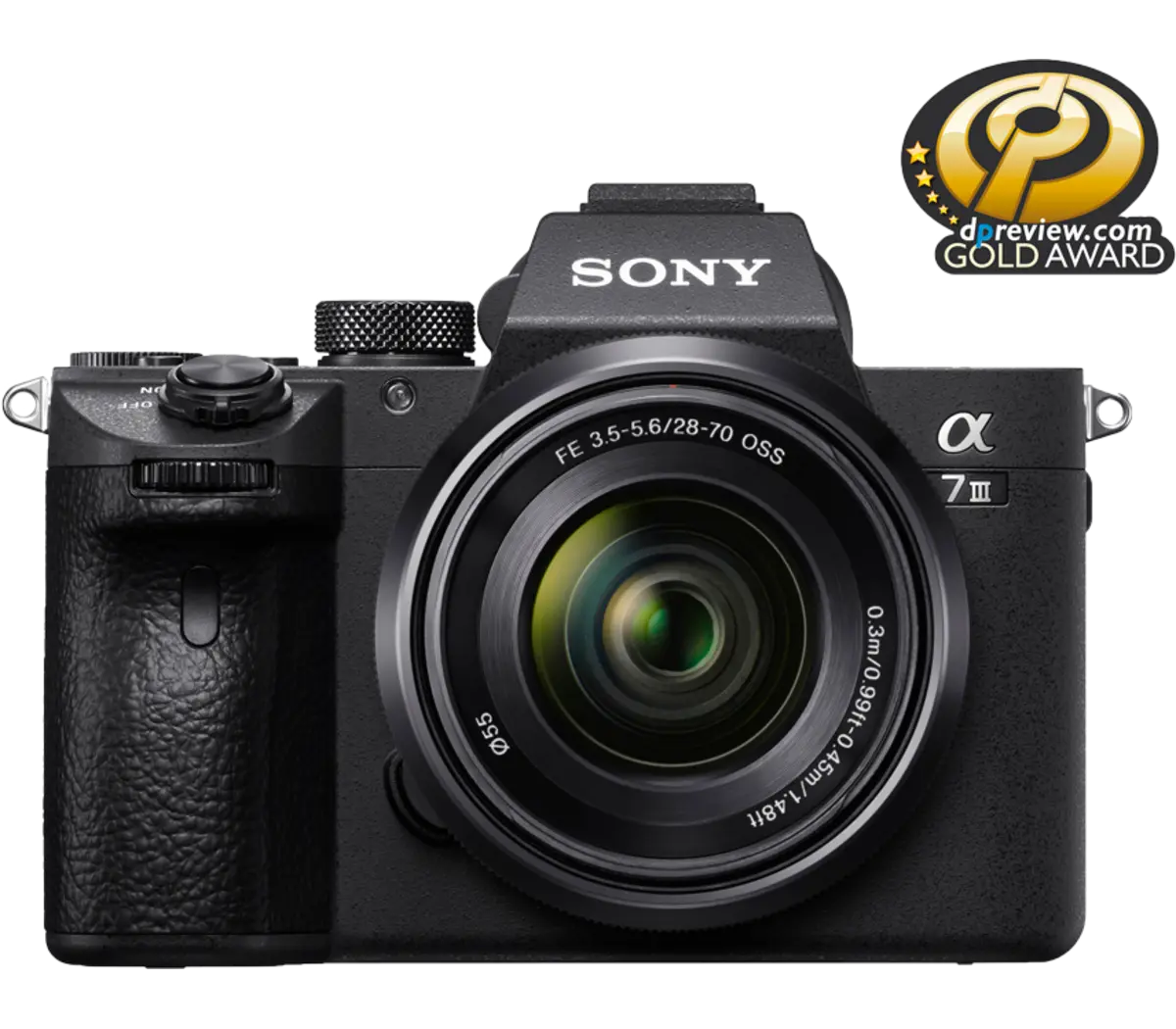
The Nikon Zf and Sony A7 III are two highly regarded full-frame mirrorless cameras that attract both enthusiasts and professionals alike. Photography and videography enthusiasts often compare these cameras due to their impressive specifications and features that cater to a wide range of shooting styles. Consumers particularly focused on video capabilities may lean toward the Nikon Zf, while those interested in proven autofocus performance might favor the A7 III. The key differentiators include sensor resolution, autofocus systems, video capabilities, and overall ergonomics, influencing decision-making based on individual needs and preferences.
Specifications Comparison
Detailed Comparison
Image Quality
In terms of image quality, both the Nikon Zf and Sony A7 III offer remarkable performance, though they have some differences. The Nikon Zf features a 25-megapixel sensor, which provides slightly more detail than the A7 III's 24-megapixel sensor. The full-frame sensors of both cameras handle low-light conditions well, making them suitable for various shooting scenarios. While the Nikon Zf's higher pixel count may result in slightly better sharpness in certain situations, the A7 III is renowned for its excellent dynamic range and color reproduction, critical for professional work.
Color science differs between the two brands, with Nikon generally producing vibrant and warm tones while Sony is often praised for its accurate skin tones. The differences in image processing can be subtle but may sway the preferences of photographers based on their style or the nature of their subjects. Additionally, the ISO performance is key for low-light applications, though specific comparisons reveal that the A7 III's higher ISO range extends to 51,200, compared to the Zf's unspecified limit, suggesting it might have an edge for extreme low-light photography.
Overall, while both cameras provide high-quality images suitable for professional use, the choice between them hinges on specific needs-especially for those who prioritize higher resolution or low-light performance.
Autofocus System
The autofocus systems in these two models represent a significant differentiator, particularly for action photography and videography. The Nikon Zf boasts an impressive 273 autofocus points, leveraging phase detection and contrast detection for accurate focusing across its sensor. This allows for dependable focus tracking in various conditions, which is crucial for capturing sharp images in dynamic situations.
On the other hand, the Sony A7 III features a more robust autofocus system with 693 phase-detection points. This expansive coverage not only enhances subject tracking, especially for moving subjects, but it also provides faster and more reliable autofocus performance in general. Furthermore, Sony's Real-Time Eye autofocus technology has set a standard in the industry, especially for portrait and wildlife shooting, ensuring that the eyes of subjects are always in sharp focus.
Thus, for users who prioritize advanced autofocus capability, particularly in fast-paced shooting environments, the A7 III has a clear advantage. Although the Zf is still very capable, the sheer number of autofocus points and the innovative tracking technology of the A7 III make it superior in this category.
Video Capabilities
When it comes to video, the Nikon Zf is a standout with its 4K video recording capabilities at 60 frames per second, accommodating users looking for higher frame rates and superior detail in their video content. This performance places it ahead of the A7 III, which offers 4K video up to only 30 frames per second. Video shooters would appreciate the additional frame rate that the Zf provides, allowing for smoother footage and better slow-motion options in post-production.
Additionally, the stabilization system in the Zf offers up to 8 stops, while the A7 III provides up to 5 stops of stabilization. For dynamic shooting scenarios, the increased stabilization in the Zf can significantly enhance handheld shooting experience, reducing the chances of shaky footage. This is particularly beneficial for vloggers and filmmakers who might not always use a tripod.
In conclusion, while both cameras deliver excellent video quality, the Nikon Zf excels at higher frame rates, stabilization, and overall videography features, making it the preferred choice for dedicated video creators seeking to maximize their filmmaking potential.
Build & Ergonomics
Build quality and ergonomics are critical considerations when selecting a camera for extended use. The Nikon Zf is slightly larger and heavier at 710 grams, but its robust build offers comfort during prolonged use, making it suitable for serious photographers. Its dimensions are ample for grasp while still being portable. The Zf's larger screen also offers a higher resolution (2,100,000 dots) compared to the A7 III (921,600 dots), which enhances usability in bright conditions.
In contrast, the Sony A7 III is lighter at 650 grams and more compact, making it a preferable option for photographers who prize portability without sacrificing performance. Moreover, the Sony A7 III features weather sealing, allowing it to withstand various environmental conditions which might make it more appealing for outdoor photographers.
Ultimately, the choice may come down to personal preference regarding size and weight, but professionals looking for durability might lean towards the A7 III's weather-sealed body, whereas those wanting a larger viewfinder and increased comfort during use might prefer the Nikon Zf.
Battery & Storage
Battery life is crucial for photographers and videographers working on longer projects. The Nikon Zf offers a battery life of approximately 380 shots, which is sufficient for a day's shooting for many, but it requires careful management for extended sessions. In contrast, the Sony A7 III leads the way with a significantly higher battery life, rated at approximately 710 shots on a single charge. This advantage is particularly beneficial for event photographers and those who may not have the opportunity to recharge frequently during shoots.
Additionally, both cameras utilize similar SD card formats, but it's worth noting that the A7 III has dual card slots. This feature allows for simultaneous recording for backup or for separating file types (like video and RAW images), adding a layer of versatility for storage management during shooting.
In essence, when it comes to battery life and storage capabilities, the A7 III demonstrates a clear advantage, making it a more reliable choice for extensive shoots without the hassle of changing batteries frequently.
Value for Money
Both the Nikon Zf and Sony A7 III are positioned at a similar price point, roughly around $2000, and offer a substantial value concerning their features. The Nikon Zf, with its advanced video capabilities, higher resolution, and superior stabilization, may attract users who see value in video production and a detailed stills performance. The Zf also represents a fresh option for those committed to the Nikon ecosystem and looking for a modern full-frame sensor.
In comparison, the Sony A7 III has established itself as a workhorse system in the photography community, with proven performance in various shooting genres. Many photographers appreciate its reliability, sensor performance, and excellent autofocus capabilities, which can justify the investment over time through consistent results.
Ultimately, while both cameras provide significant features for their price, the choice will depend on individual needs and preferences. Users focused on advanced video capabilities might find more value in the Zf, while those prioritizing a well-rounded, dependable performer for photography might favor the A7 III.
Our Verdict
In this comparison, the overall winner is the Sony A7 III due to its outstanding autofocus system, superior battery life, and robust build quality. While the Nikon Zf excels in video capabilities and offers a slightly higher megapixel count, the advantages presented by the A7 III in terms of reliability and versatility make it a more balanced choice for a wide range of photographers and videographers. However, those who prioritize video performance and advanced imaging features may find the Nikon Zf better suited for their specific needs.
Nikon Zf
Sony A7 III
Also Compare
Frequently Asked Questions
Which camera is better for low-light photography?
Both cameras perform well in low-light conditions, but the Sony A7 III has a superior ISO range helping it achieve better performance in extreme low-light settings.
Is the Nikon Zf a good choice for video shooting?
Yes, the Nikon Zf is an excellent choice for video, offering 4K at 60 frames per second and advanced stabilization features, making it ideal for videographers.
How does the autofocus perform in both cameras?
The Sony A7 III has more autofocus points and better tracking technology, making it superior in fast-action situations compared to the Nikon Zf.
What are the differences in battery life between them?
The Sony A7 III boasts a significantly better battery life at approximately 710 shots, compared to the Nikon Zf's 380 shots, making it more reliable for long shooting sessions.
Is there a significant size difference between the two cameras?
Yes, the Nikon Zf is larger and heavier than the Sony A7 III, which could influence your decision based on personal comfort and intended use.